
Christopher Columbus at the Monastery of Rabida — History & Facts
In Christopher Columbus at the Monastery of Rabida, the artist captures a moment of historical significance. The painting features Columbus in a contemplative pose, surrounded by monks and the serene architecture of the monastery. The color palette is rich, with deep blues and earthy tones that evoke a sense of solemnity.
The figures are depicted with careful attention to detail, emphasizing their expressions and gestures. The painting is executed in oil on canvas, a common medium for the Romantic period. The brushwork is dynamic, with visible strokes that add texture to the clothing and background. The composition is balanced, guiding the viewer's eye towards Columbus as the focal point.
The use of light and shadow enhances the three-dimensionality of the figures and the architectural elements. The Italian School of painting during the Romantic period often focused on historical subjects, and this work is no exception. It reflects the growing interest in national identity and exploration during the 19th century. An interesting fact about this painting is that it not only commemorates Columbus's journey but also symbolizes the broader themes of discovery and faith.
This piece serves as a reminder of the complexities surrounding historical narratives.
More Artworks by Italian School
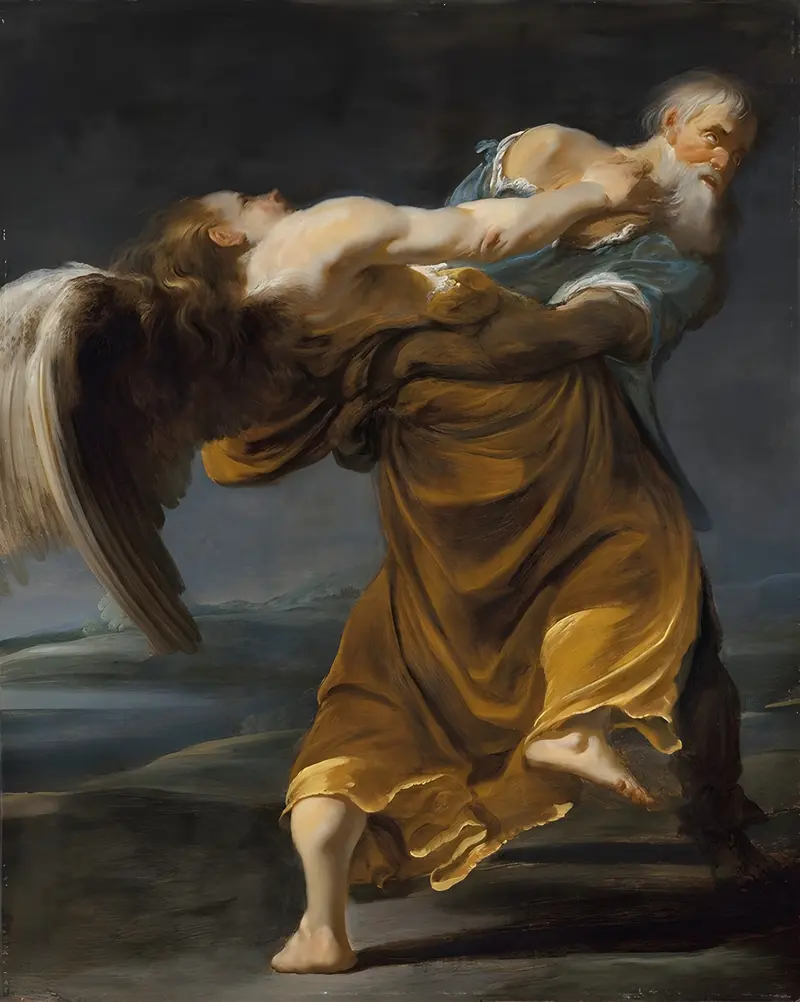
Jacob wrestling with the angel
Italian School
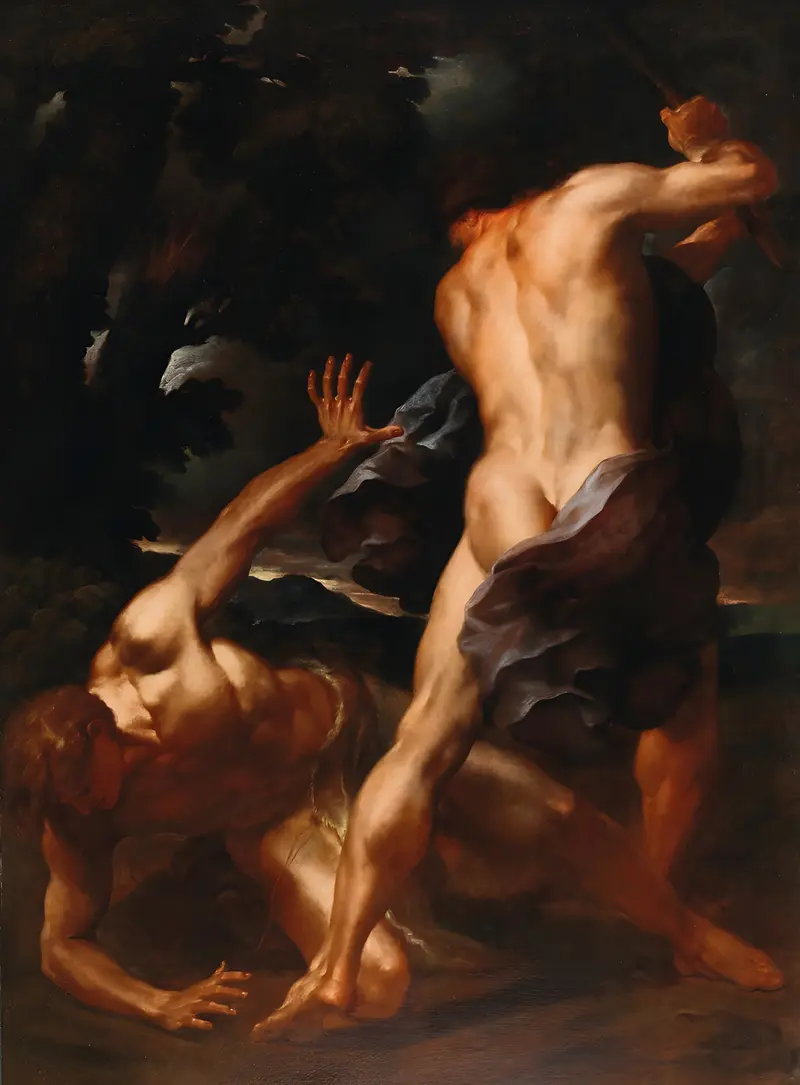
Cain and Abel
Italian School
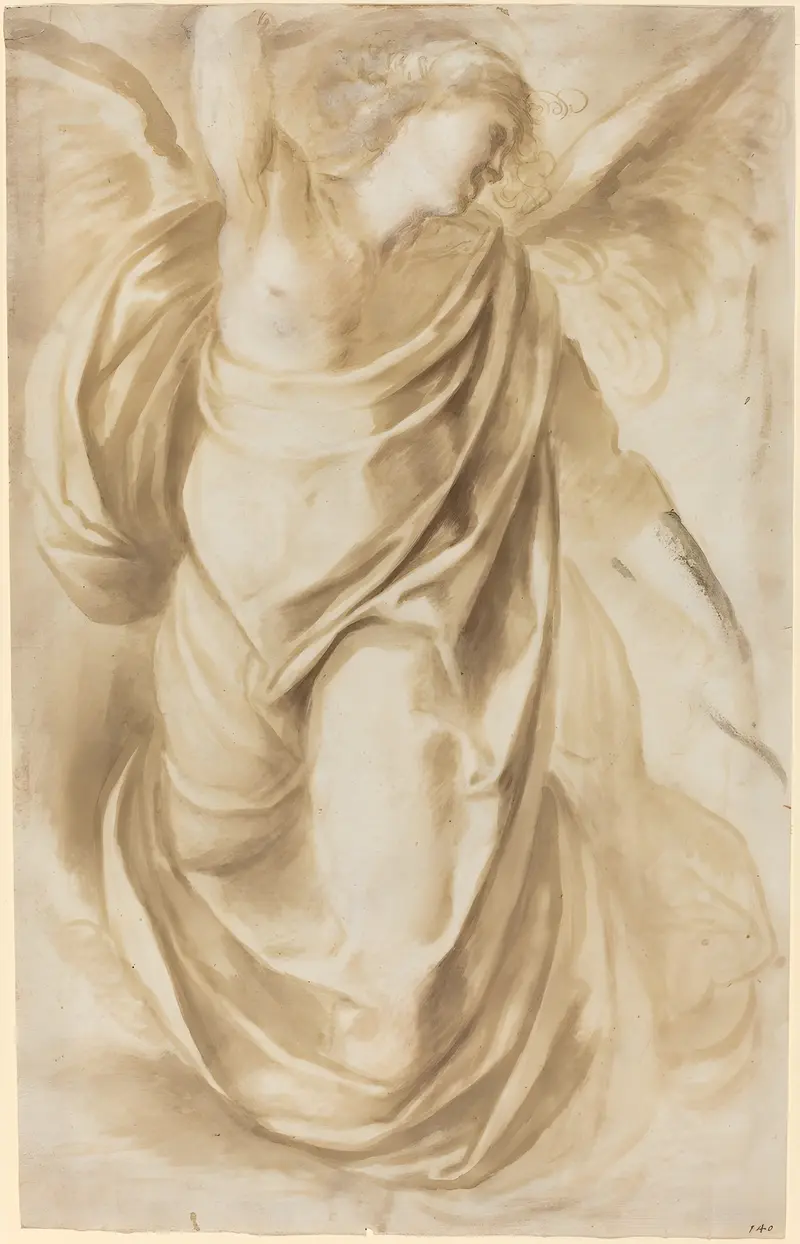
An Angel
Italian School
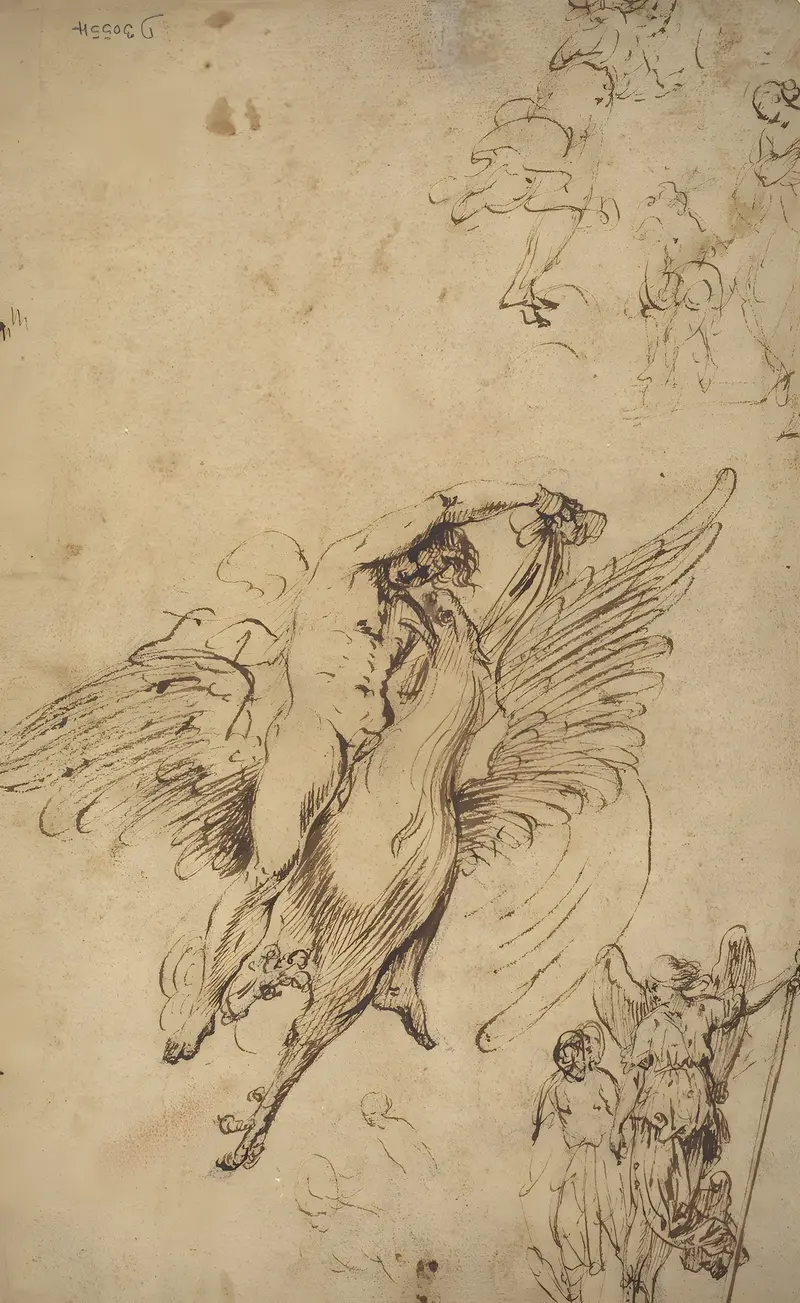
Ganymede
Italian School

MADONNA AND CHILD WITH THE INFANT SAINT JOHN THE BAPTIST, AMONG ARCHITECTURAL RUINS, A LANDSCAPE BEYOND
Italian School
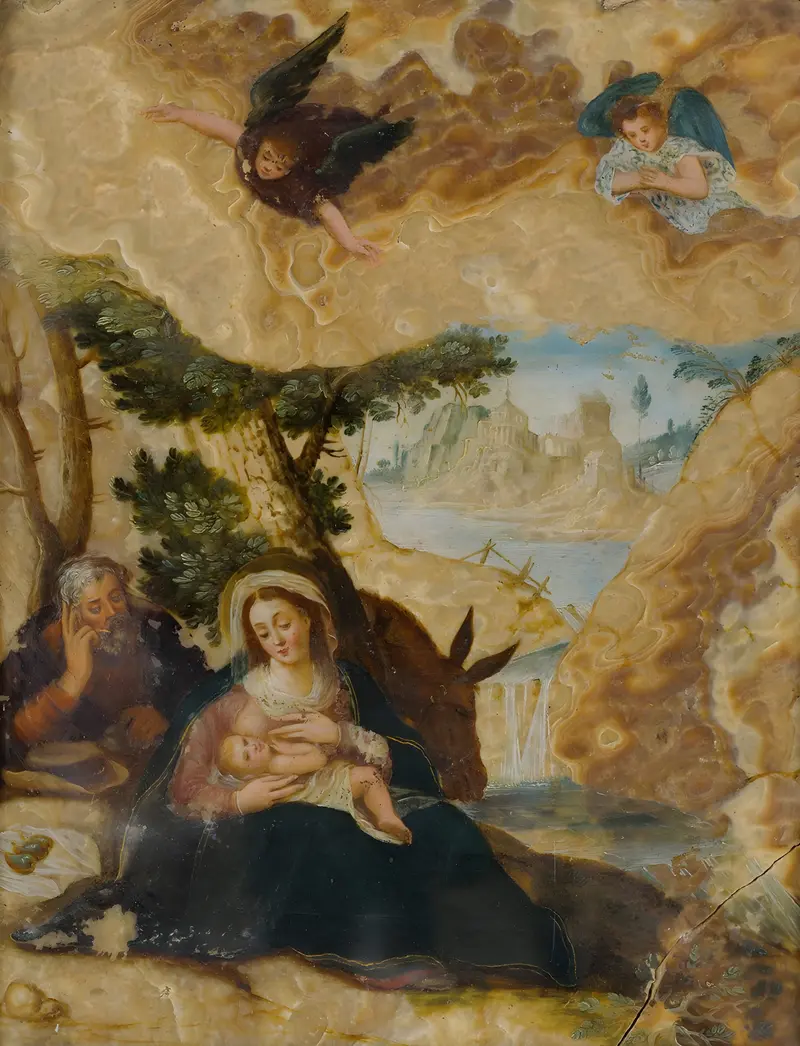
Madonna And Child
Italian School

Saint John the Baptist
Italian School
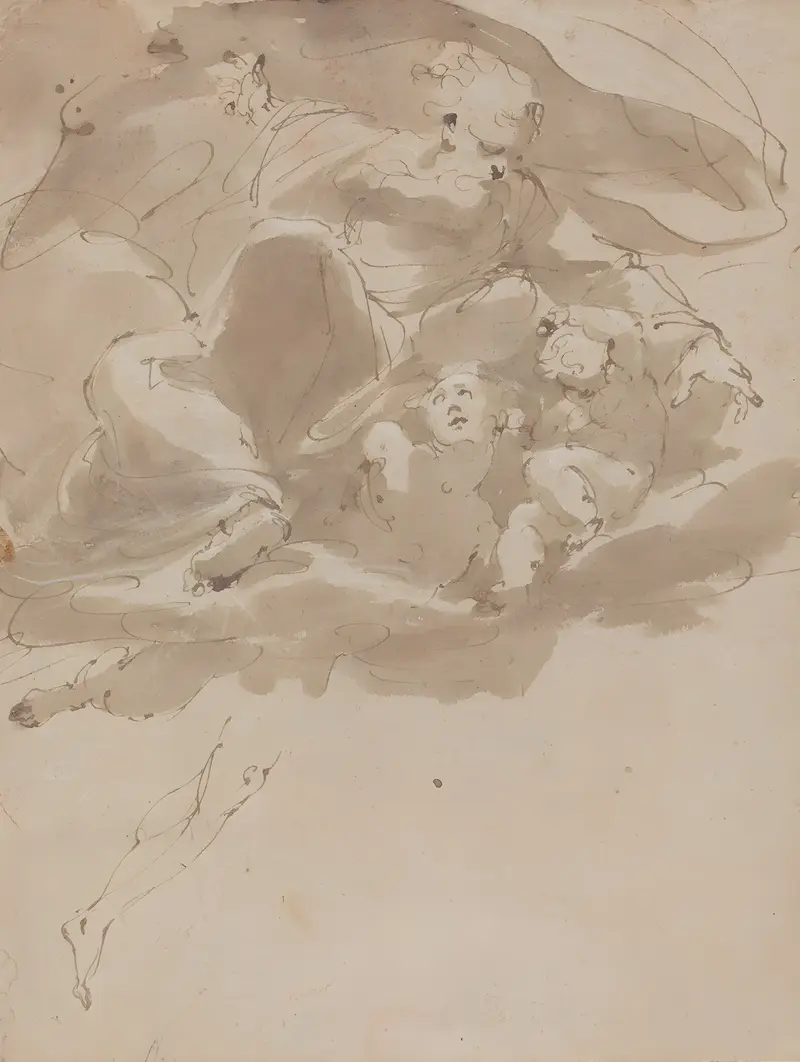
God the Father with Angels
Italian School

Standing Woman Holding a Scroll
Italian School
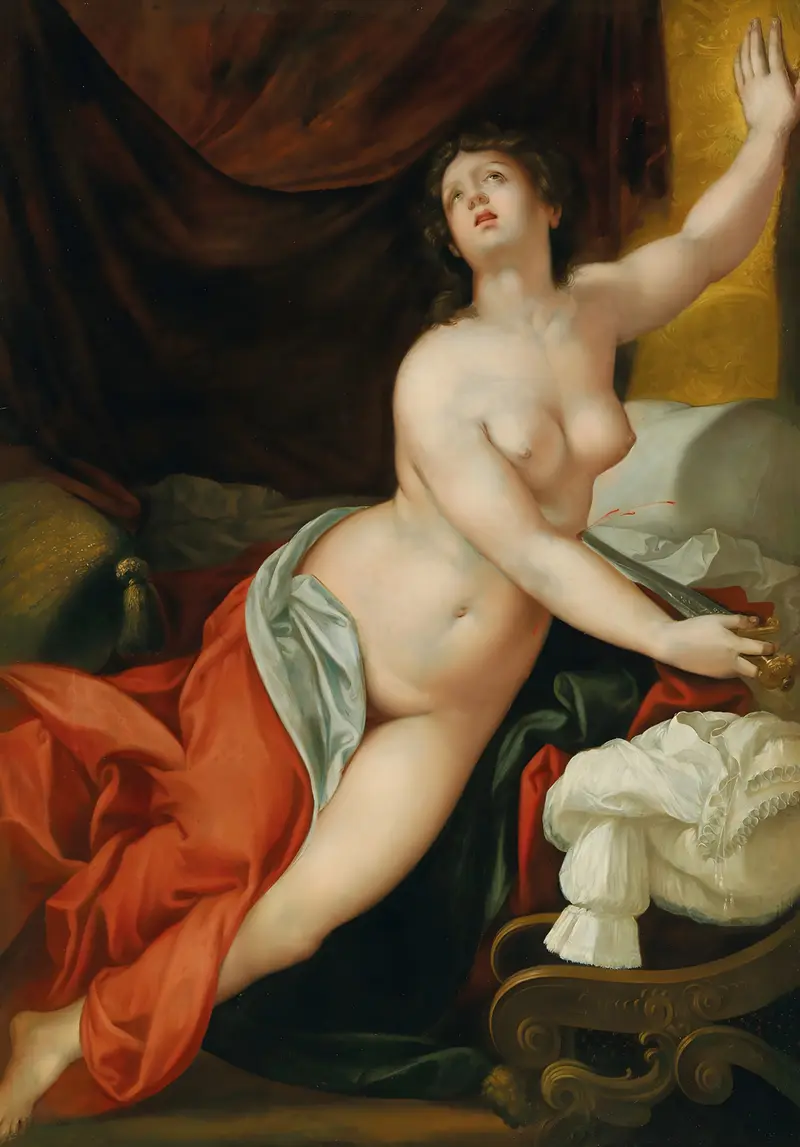
Lucretia
Italian School





