
Cain and Abel — History & Facts
In Cain and Abel, the artist presents a dramatic scene filled with rich colors and dynamic figures. The painting captures the moment of tension between the two brothers, with Cain depicted in a darker palette, suggesting his inner turmoil. Abel, in contrast, is portrayed with lighter hues, symbolizing innocence and purity.
The background features a desolate landscape, enhancing the emotional weight of the narrative. The painting is executed in oil on panel, a common medium during the Renaissance period. The use of chiaroscuro highlights the figures, creating depth and a sense of movement. The artist's attention to detail is evident in the expressions and postures of Cain and Abel, which convey their contrasting emotions.
The composition draws the viewer's eye towards the central conflict, emphasizing the story's dramatic nature. The Italian School encompasses a range of artists and styles, often focusing on religious themes. This particular work reflects the moral complexities of the biblical story, illustrating the consequences of jealousy and violence. An interesting fact about this painting is that it may have been influenced by contemporary debates on morality and ethics during the Renaissance.
Such themes were prevalent in art of the time, making this piece a significant reflection of its era.
More Artworks by Italian School
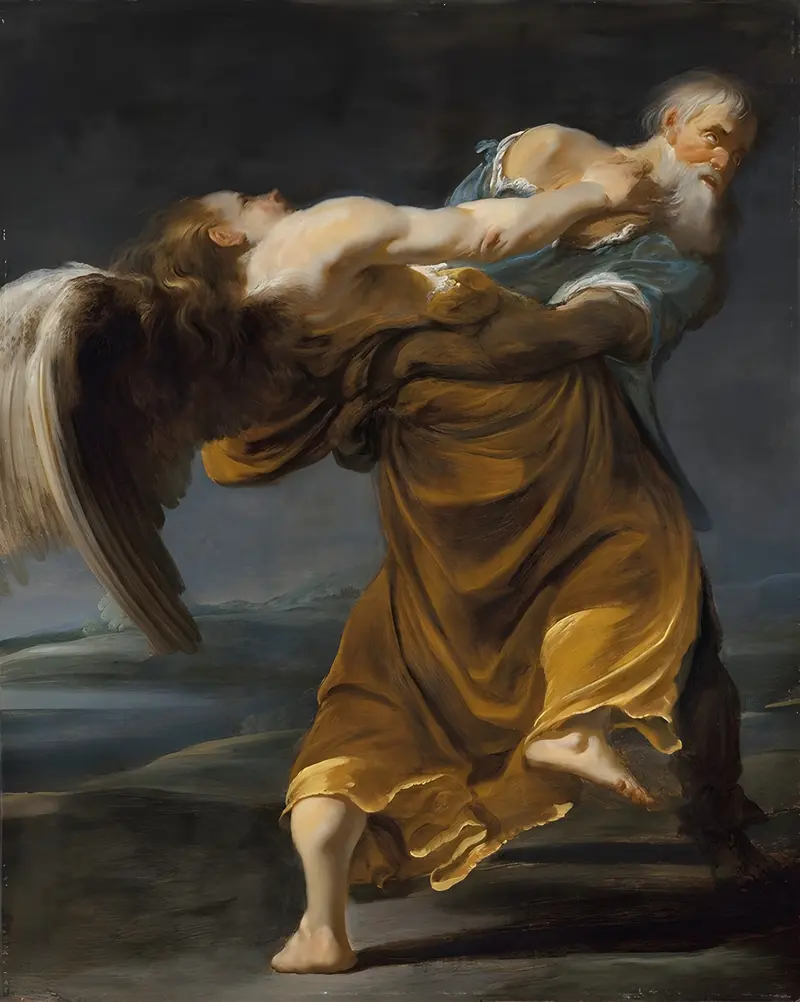
Jacob wrestling with the angel
Italian School
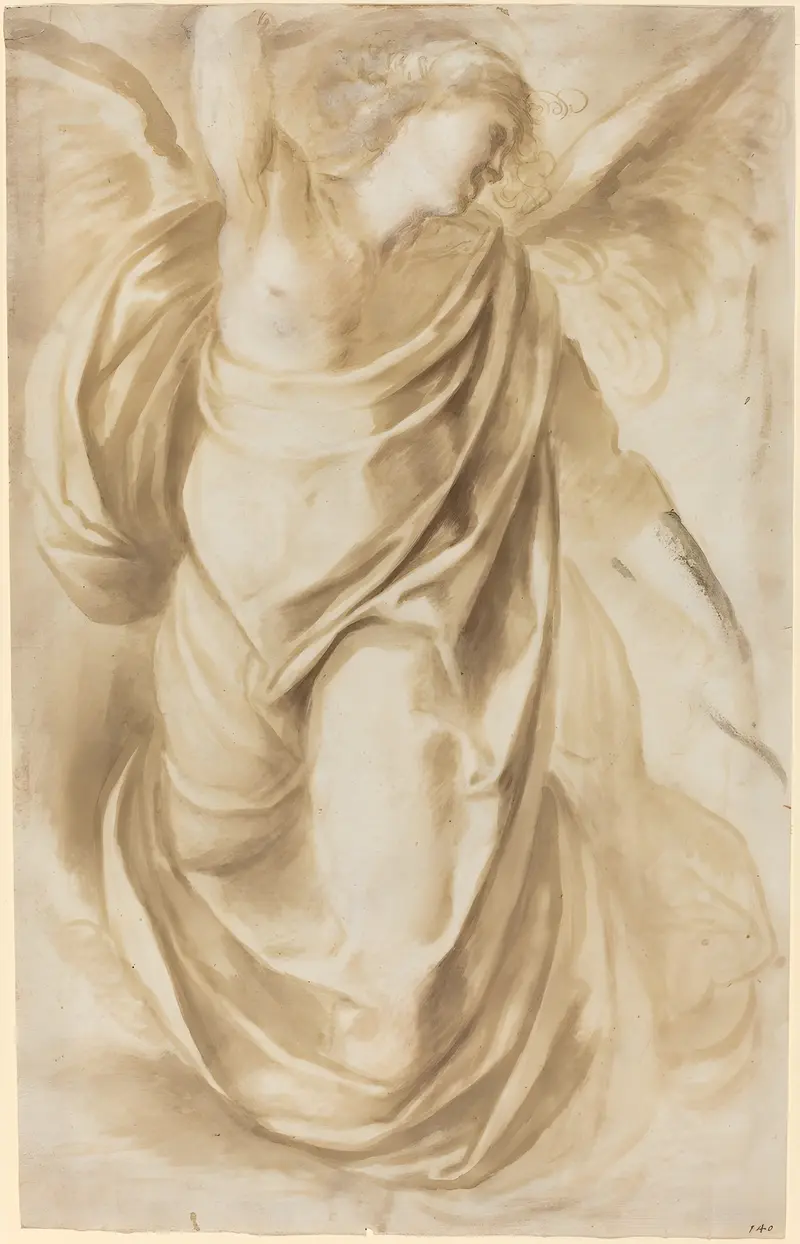
An Angel
Italian School
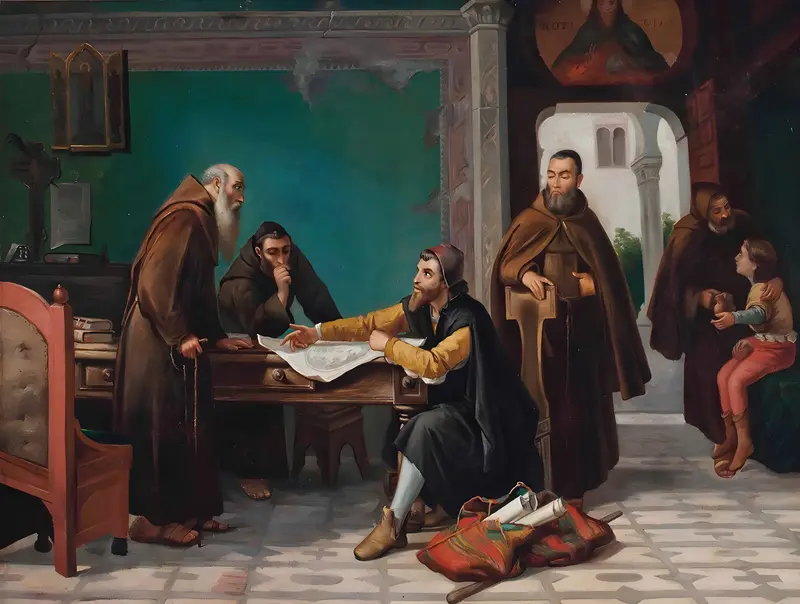
Christopher Columbus at the Monastery of Rabida
Italian School
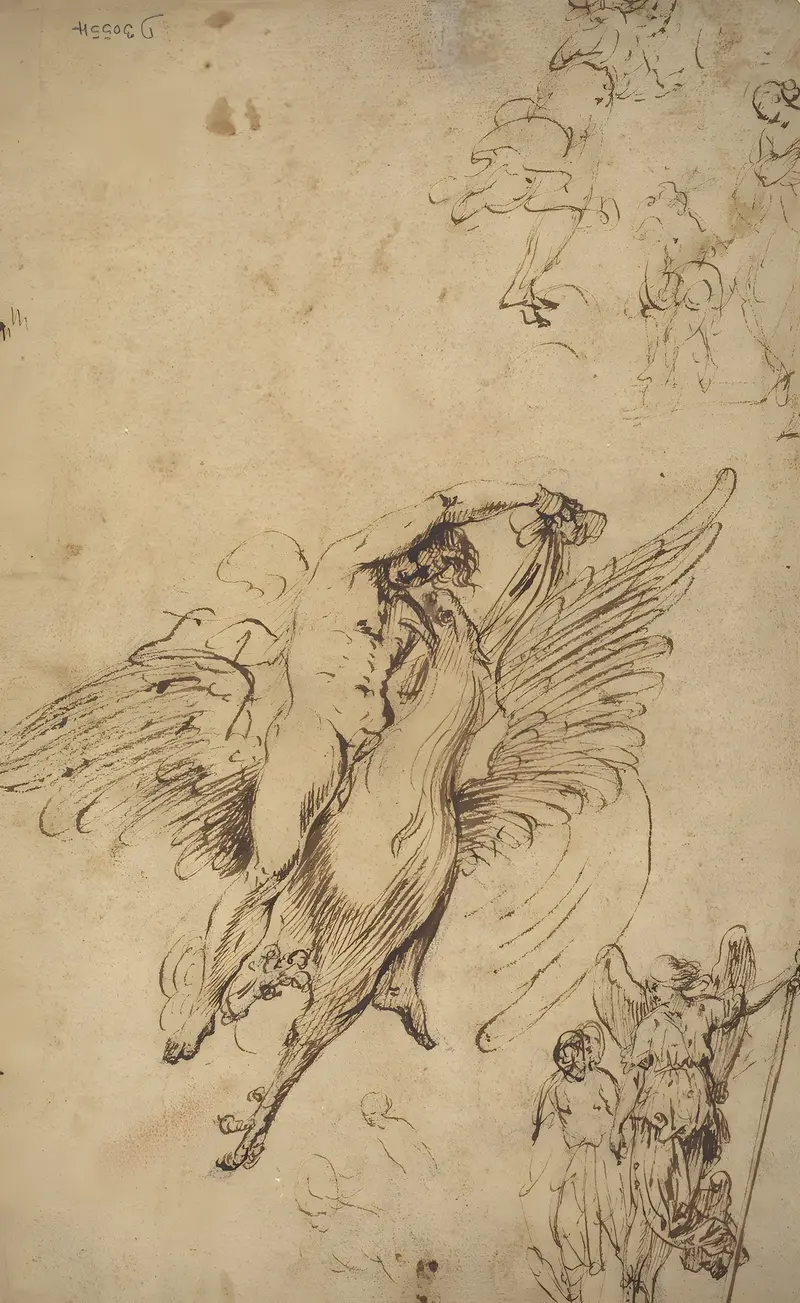
Ganymede
Italian School

MADONNA AND CHILD WITH THE INFANT SAINT JOHN THE BAPTIST, AMONG ARCHITECTURAL RUINS, A LANDSCAPE BEYOND
Italian School
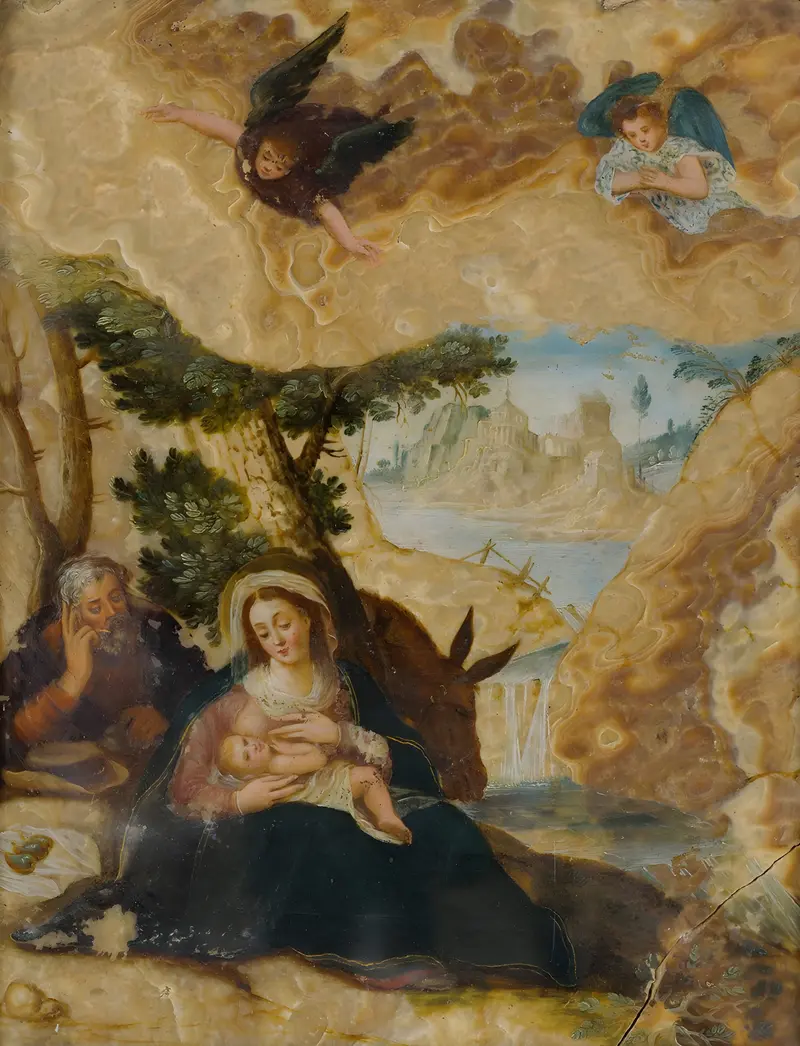
Madonna And Child
Italian School

Saint John the Baptist
Italian School
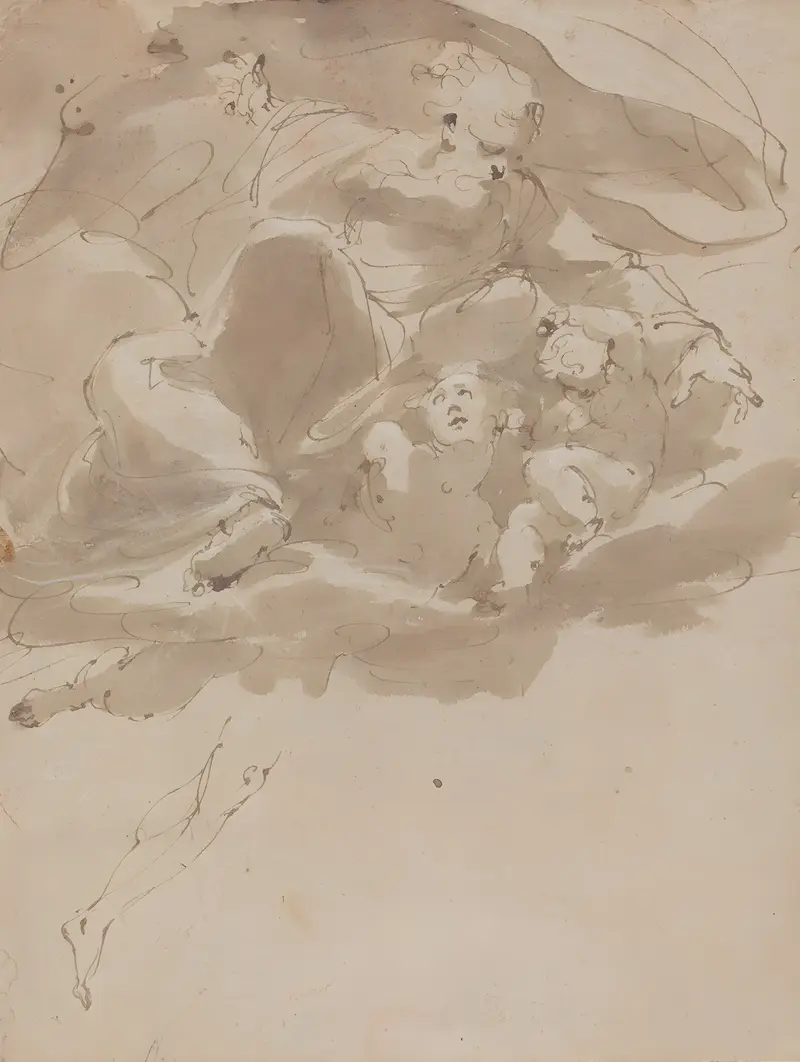
God the Father with Angels
Italian School

Standing Woman Holding a Scroll
Italian School
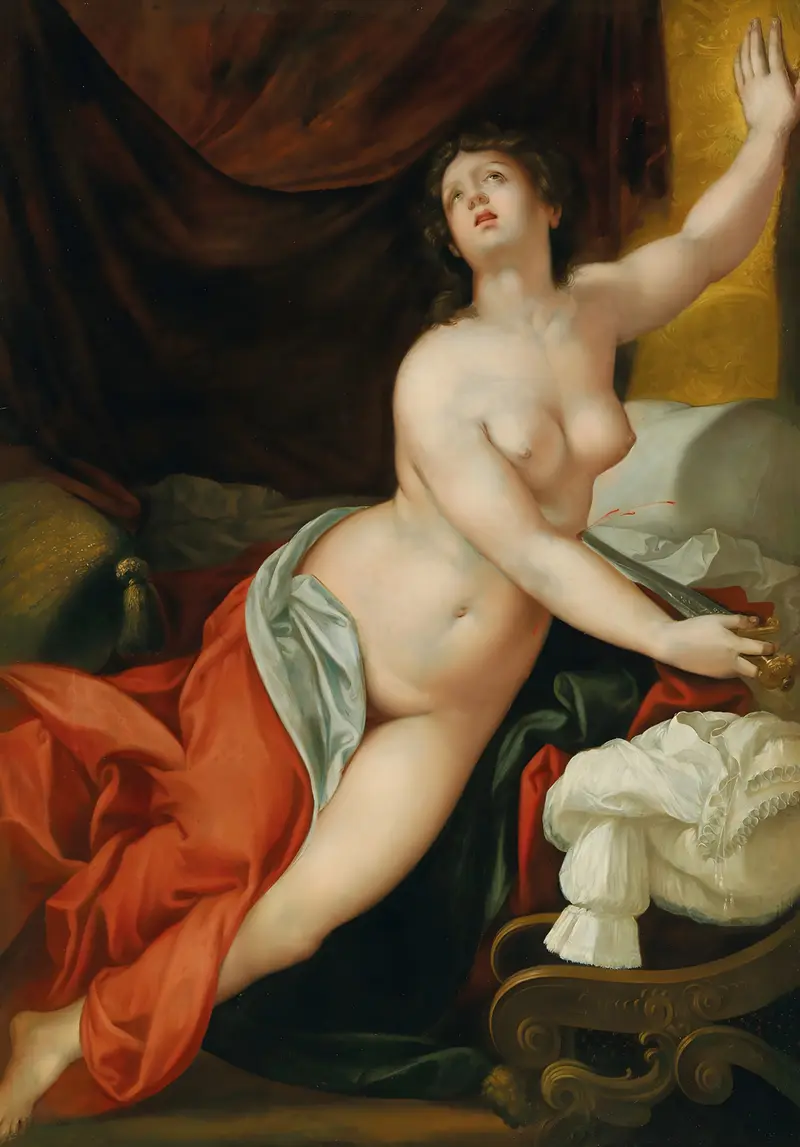
Lucretia
Italian School





