
Christus aan de geselpaal — History & Facts
In the delicate twisting of forms and the elegant interplay of light and shadow, one can perceive the haunting dance between suffering and divine grace that defines this work. Focus first on the central figure, where the Christ figure is bound to the pillar, illuminated by a spectral light that almost transcends the physical realm. The artist skillfully employs soft, muted tones to evoke an atmosphere of reverence and sorrow, while the contrasting gold accents suggest a celestial presence lingering just beyond human reach. The intricate details in the background, with their delicate foliage and architectural frames, draw the eye outward, creating a sense of both enclosure and vastness. Upon closer inspection, the viewer finds layers of emotional tension woven into the fabric of the scene.
The Christ figure's pained expression is juxtaposed with a serene countenance, illustrating the paradox of suffering as a pathway to redemption. The delicate movement of the drapery, flowing yet restrained, hints at the duality of divine purpose and human frailty, subtly inviting contemplation on the nature of sacrifice. Every brushstroke seems deliberate, underscoring the artist's intention to evoke empathy and introspection. During the late 15th century, when this piece was crafted, the artist was deeply influenced by the burgeoning Northern Renaissance's focus on humanism and emotion.
Created between 1488 and 1492, the work reflects the period's complex interplay of art, faith, and emerging individualism, as Europe was on the brink of monumental changes in religious thought and artistic expression. This masterful rendering signifies not just a moment of suffering, but a transformative meditation on the depths of human experience.
More Artworks by Meester van het Amsterdamse Kabinet
Browse all →
De Heilige Familie bij de rozenstruik
Meester van het Amsterdamse Kabinet

Hertenjacht
Meester van het Amsterdamse Kabinet
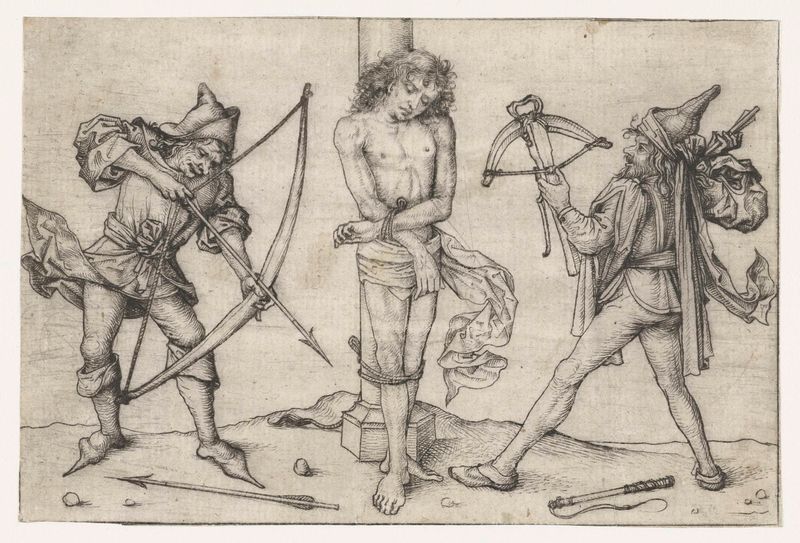
Heilige Sebastiaan met boogschutters
Meester van het Amsterdamse Kabinet

Het lichaam van Christus ondersteund door twee engelen
Meester van het Amsterdamse Kabinet

Heilige Anna-te-Drieën
Meester van het Amsterdamse Kabinet

Heilige Barbara (grote versie)
Meester van het Amsterdamse Kabinet
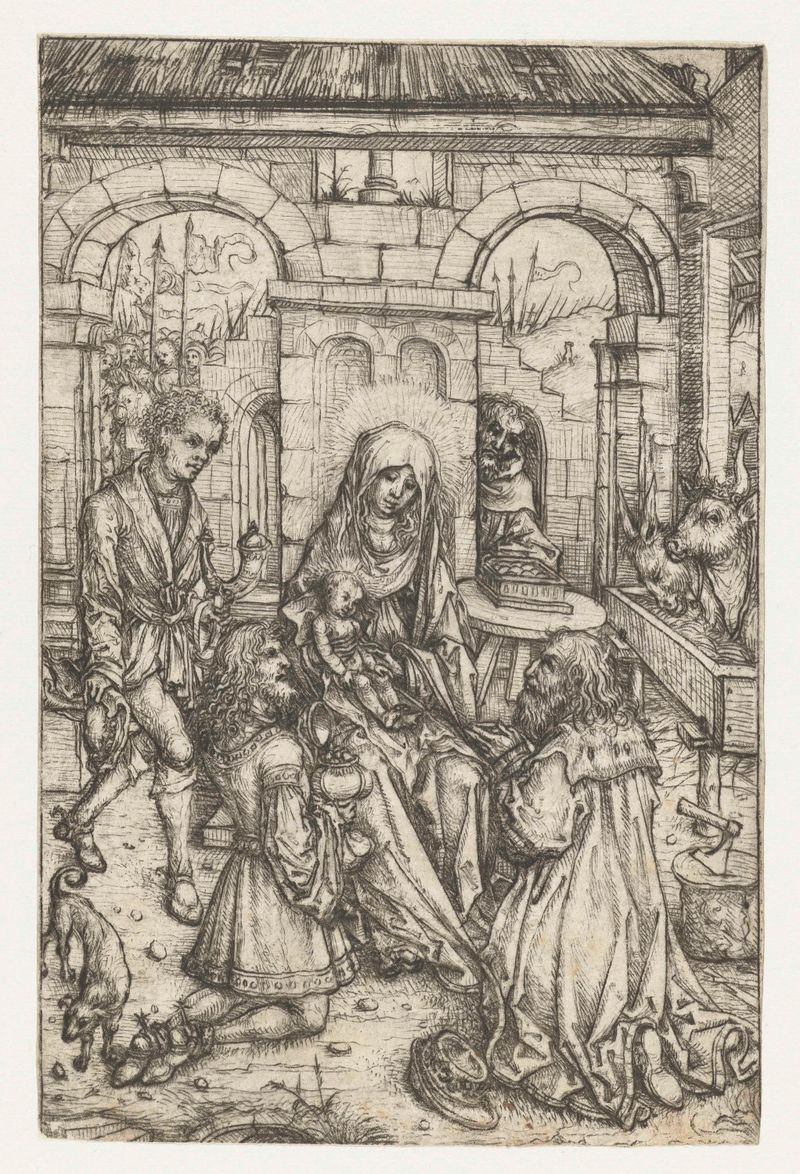
Aanbidding der koningen
Meester van het Amsterdamse Kabinet
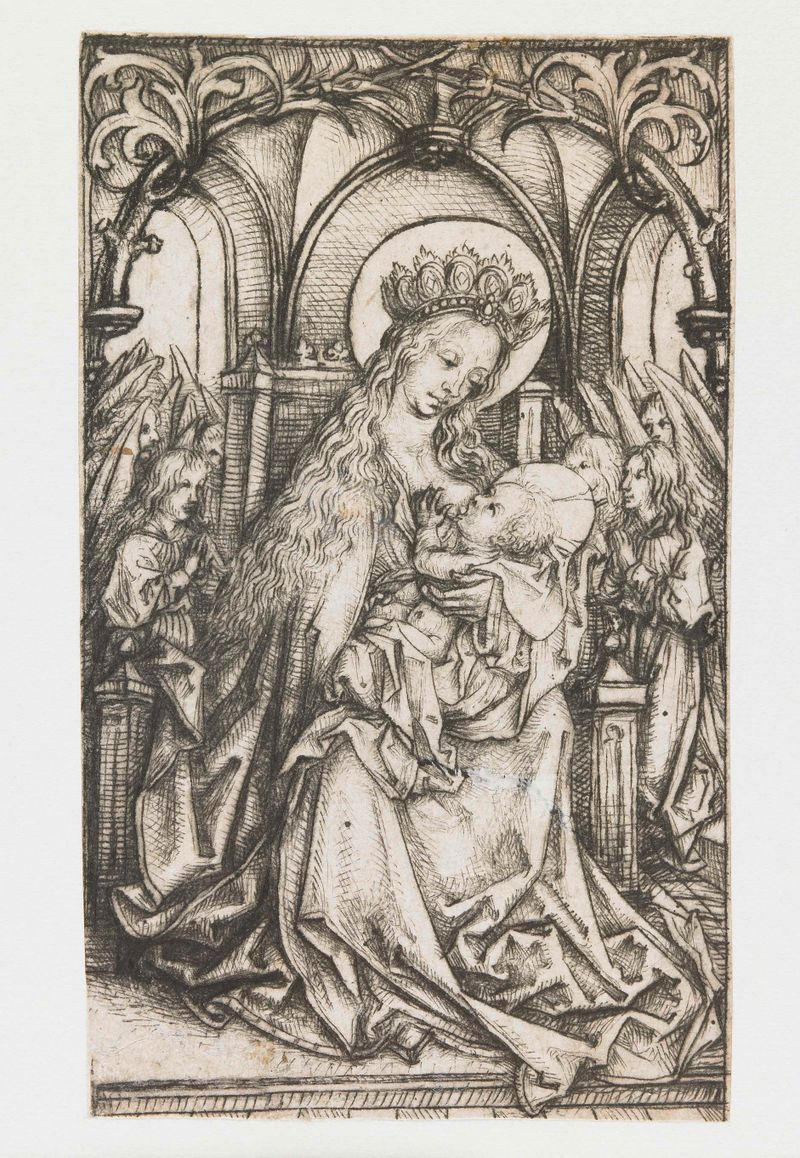
Tronende Madonna door engelen aanbeden
Meester van het Amsterdamse Kabinet

Het zegenend Christuskind
Meester van het Amsterdamse Kabinet
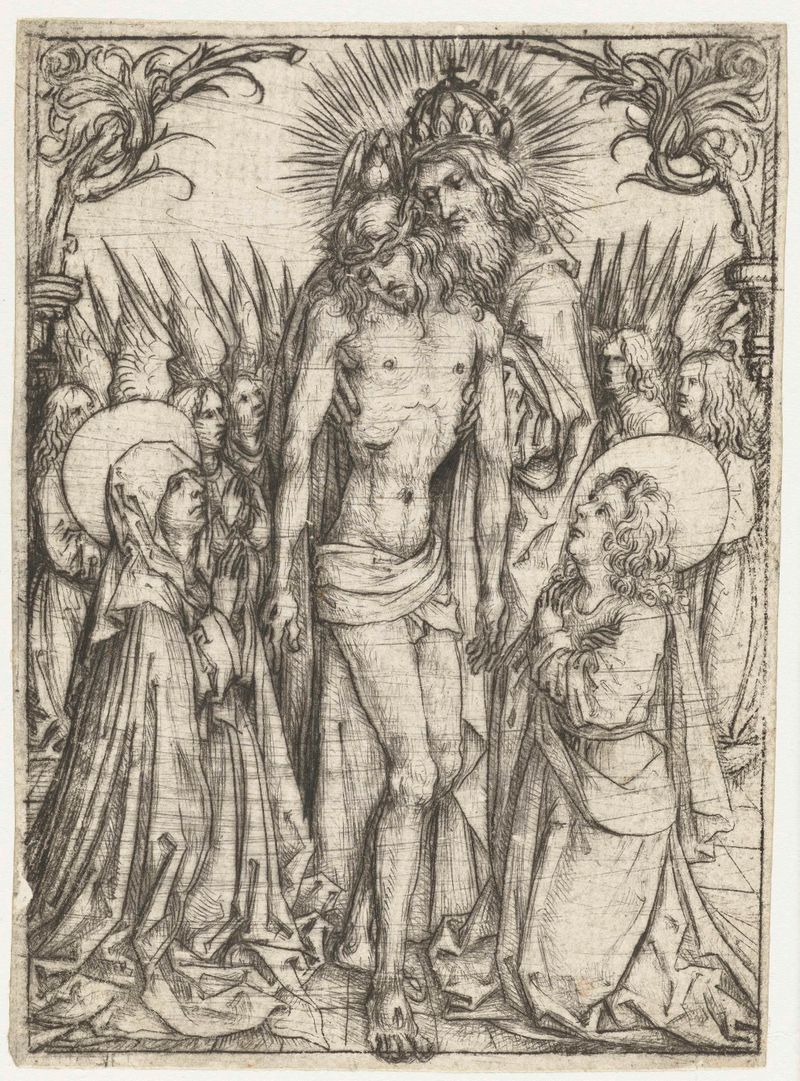
Aanbidding van de Heilige Drieëenheid door Maria, Johannes de Evangelist en engelen
Meester van het Amsterdamse Kabinet
More Religious Art
Browse all →
The Return of the Prodigal Son
Rembrandt van Rijn

The Garden of Earthly Delights
El Bosco

Count Orgaz’ funeral
El Greco

The Hundred Guilder Print: the central piece with Christ preaching, the plate arched
Rembrandt van Rijn

The Descent from the Cross
Rogier van der Weyden

The return of the prodigal son
Rembrandt van Rijn