
Christus aan het kruis — History & Facts
What if silence could speak through light? Isaac Beckett's Christus aan het kruis invites us to contemplate the profound stillness that envelops its central figure, allowing the viewer to reflect on faith and sacrifice in a world smothered by noise. Focus on the powerful silhouette of Christ, stark against the ethereal background that fades from deep, somber hues to a luminous glow. Notice how the light cascades gently over his form, illuminating the anguish etched on his face and the delicate tension in his outstretched arms. The meticulous brushwork captures not just the physicality of the crucifixion, but also the emotional weight of the moment, giving rise to a visceral sense of loss and devotion. In this moment of stillness, contrasts abound: the divine juxtaposed with human suffering, the silence of the scene speaks volumes about mortality and hope.
The earthiness of the wooden cross stands firm against the celestial light, symbolizing the intersection of the earthly realm and the spiritual. Each droplet of blood, each shadow cast, tightens the atmosphere, eliciting contemplation about redemption and the silent cries that echo across time. Painted between 1681 and 1688, this work emerged during a period in Beckett's life marked by profound introspection and artistic evolution. As he navigated the complexities of Baroque influences, the artist sought to distill biblical narratives into striking visual statements.
This piece reflects not only his technical prowess but also the socio-religious context of the time, where faith was a central theme in the discourse of art.
More Artworks by Isaac Beckett
Browse all →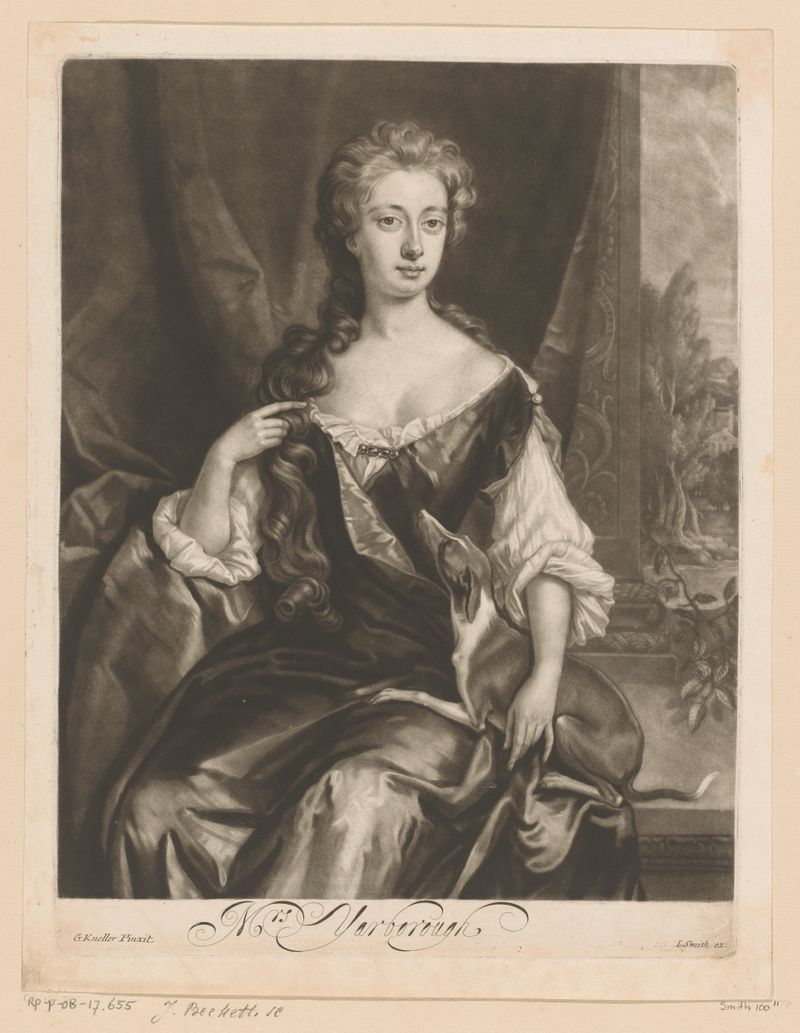
Portret van Henrietta Maria Yarborough
Isaac Beckett

Portret van Peter Lely
Isaac Beckett
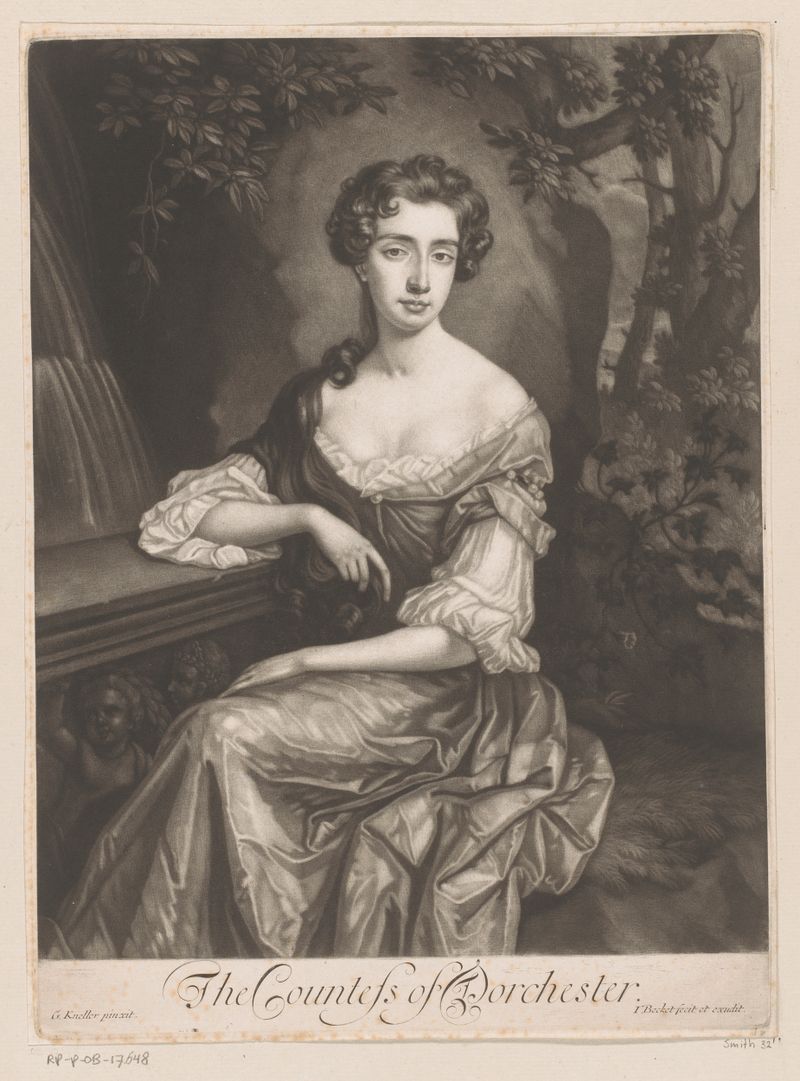
Portret van Catherine Sedley
Isaac Beckett
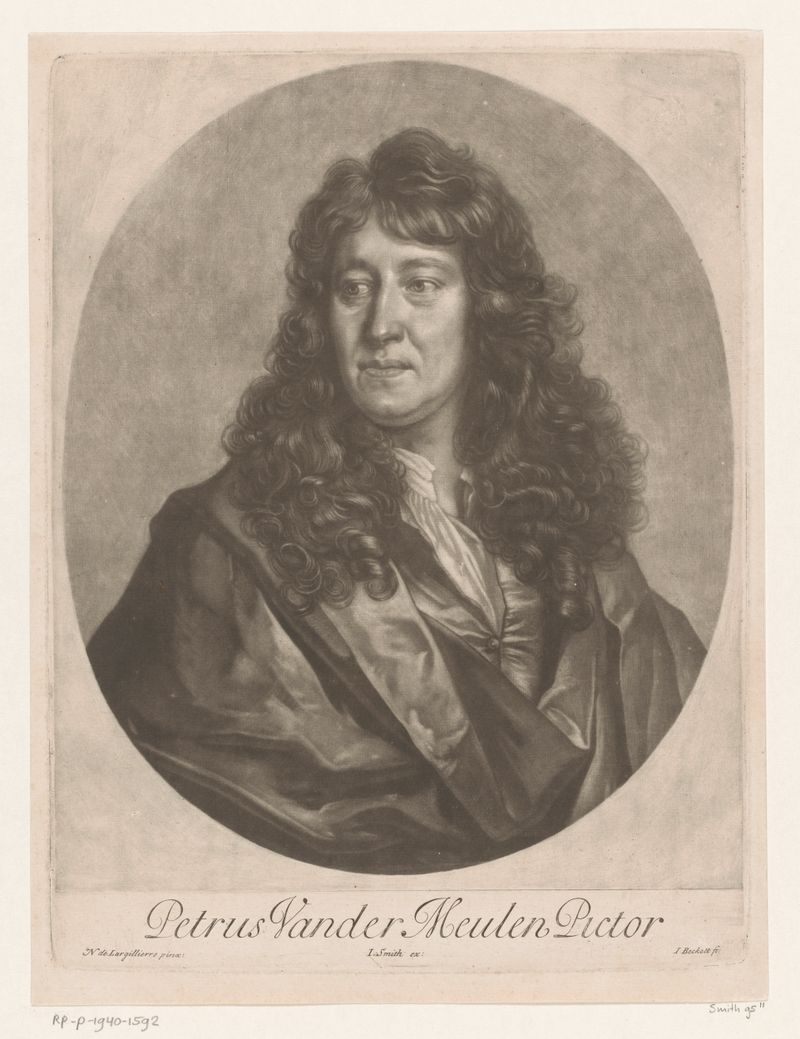
Portret van Pieter van der Meulen
Isaac Beckett
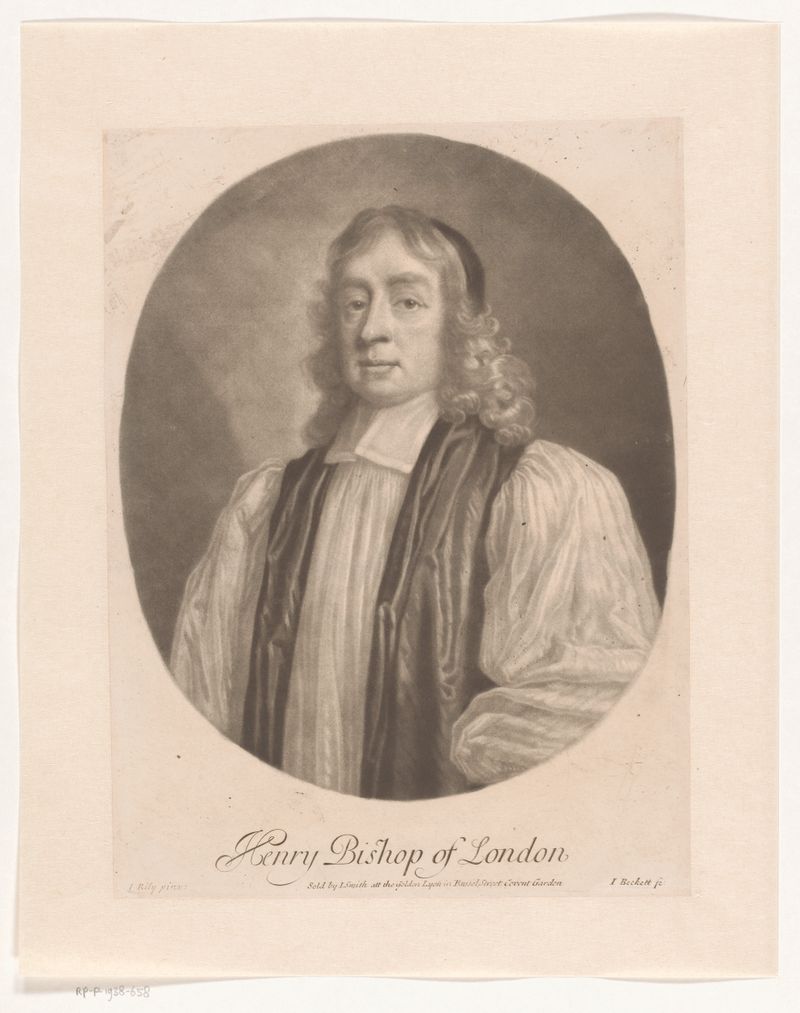
Portret van Henry Compton
Isaac Beckett

Portret van kind met hond, mogelijk Willem, hertog van Gloucester
Isaac Beckett
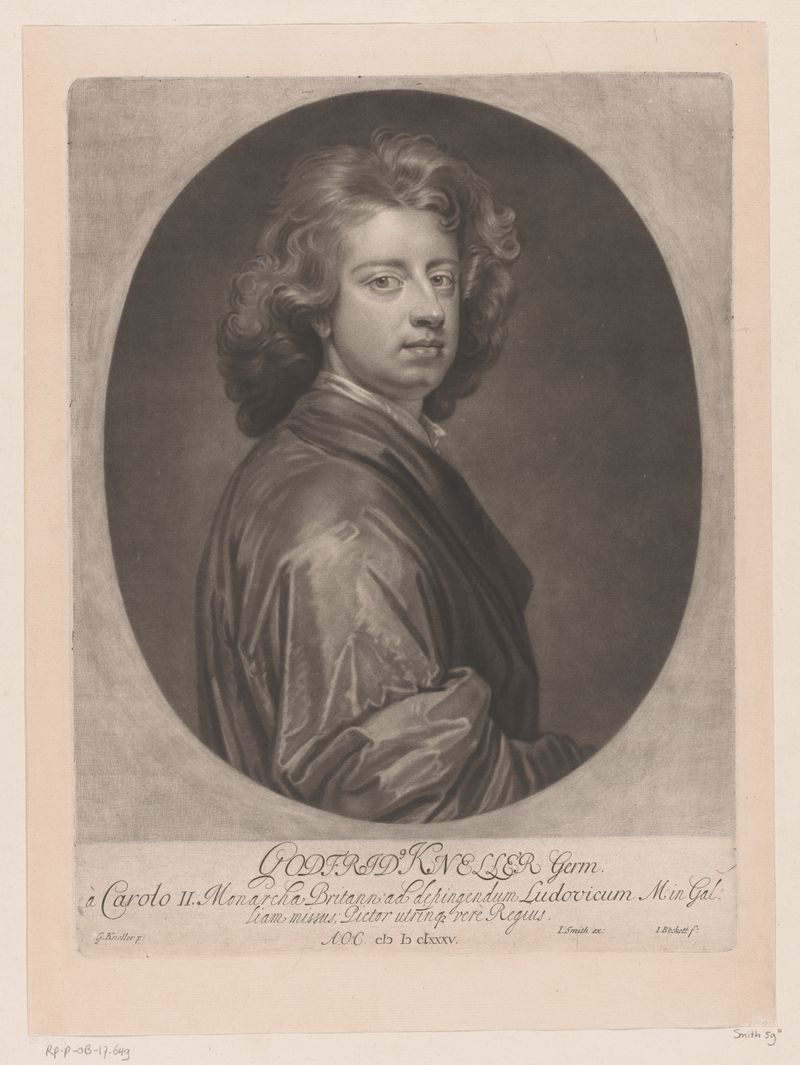
Portret van Gottfried Kneller
Isaac Beckett
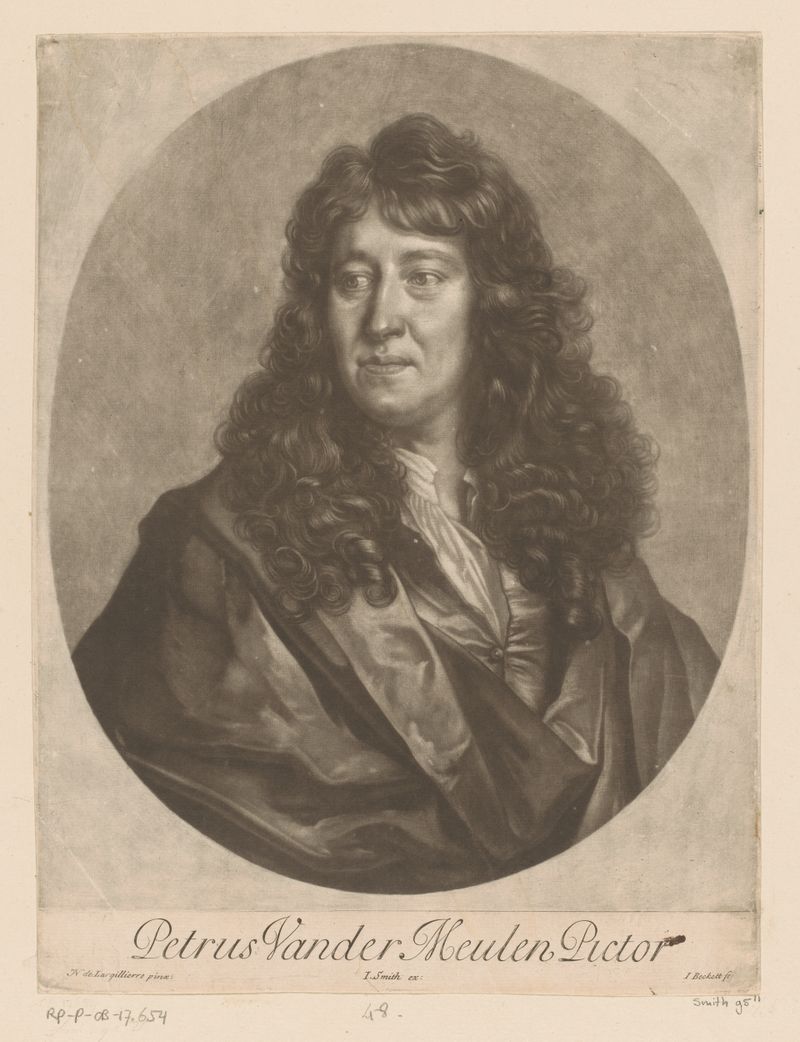
Portret van Pieter van der Meulen
Isaac Beckett

Portret van Diana Turnor
Isaac Beckett
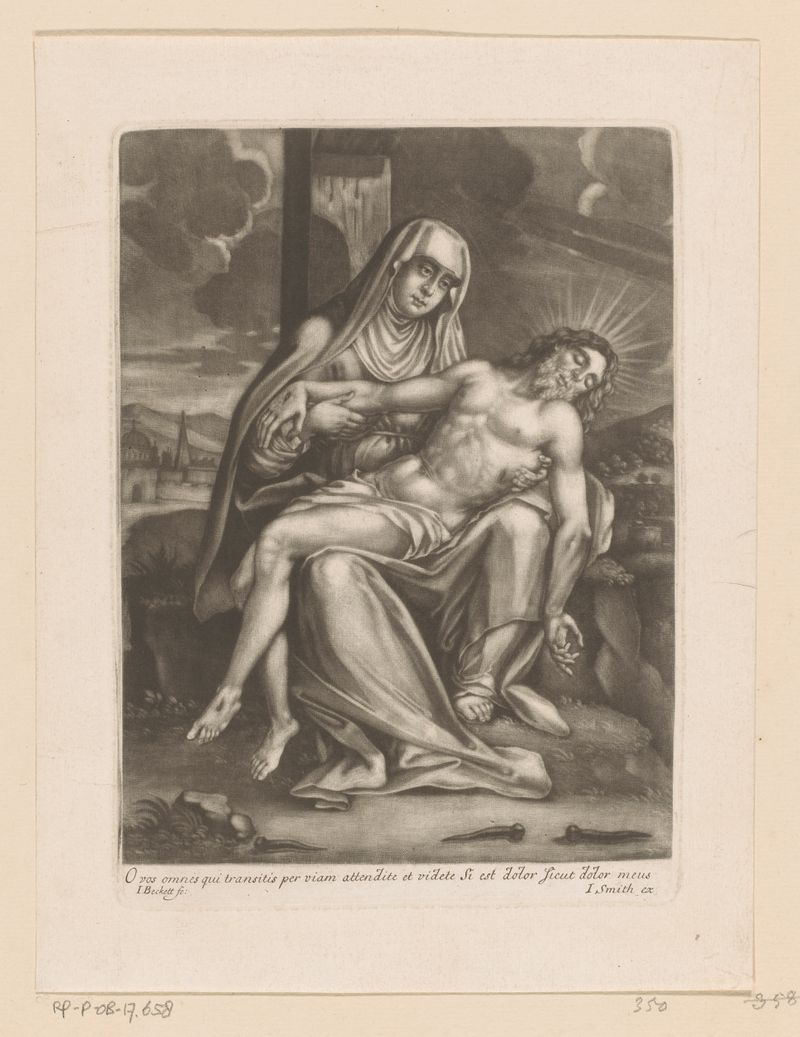
Bewening
Isaac Beckett
More Religious Art
Browse all →
The Return of the Prodigal Son
Rembrandt van Rijn

The Garden of Earthly Delights
El Bosco

Count Orgaz’ funeral
El Greco

The Hundred Guilder Print: the central piece with Christ preaching, the plate arched
Rembrandt van Rijn

The Descent from the Cross
Rogier van der Weyden

The return of the prodigal son
Rembrandt van Rijn