
Portret van Henry Compton — History & Facts
In a moment suspended between light and shadow, Portret van Henry Compton captures a gaze that transcends time, inviting viewers to peer into the depths of human experience and emotion. Look closely at the interplay of light across the subject's face, illuminating fine details—a glint in the eyes, the gentle curve of the lips. Notice how the artist employs a muted palette, rich in browns and deep greens, that guides your attention to the soft glow of the skin. The subtle brushstrokes bring forth an intimate sense of reality, creating a lifelike presence that seems almost palpable, as if the subject might softly speak or shift at any moment. Beneath the surface, the portrait reveals a tension between public persona and private self.
The poised expression suggests confidence and stature, reflective of Compton's societal standing, yet the slight furrowing of the brow hints at deeper thoughts or perhaps unspoken burdens. The rich textures of the fabric contrast with the smooth skin, symbolizing the complexity of identity and status. These elements intertwine, inviting a dialogue about the roles we play, both seen and unseen. Isaac Beckett created this portrait during a period of personal and artistic exploration in England.
Painted between 1683 and 1687, the artist was emerging in a landscape influenced by the Restoration period, where portraiture flourished as a means of documenting social hierarchy and individual power. Capturing Compton, a notable figure of the time, Beckett reflected not only on his subject but also on the evolving conversation about identity, legacy, and the nature of representation in art.
More Artworks by Isaac Beckett
Browse all →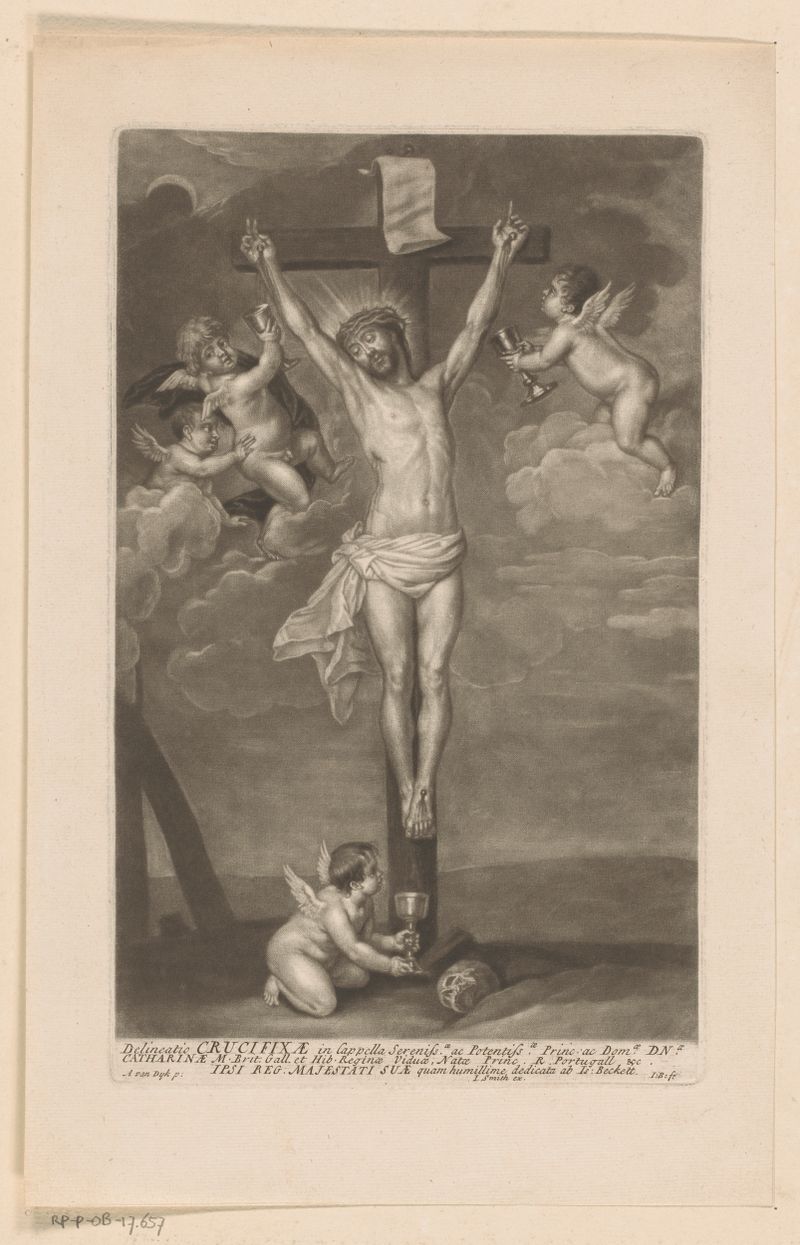
Christus aan het kruis
Isaac Beckett
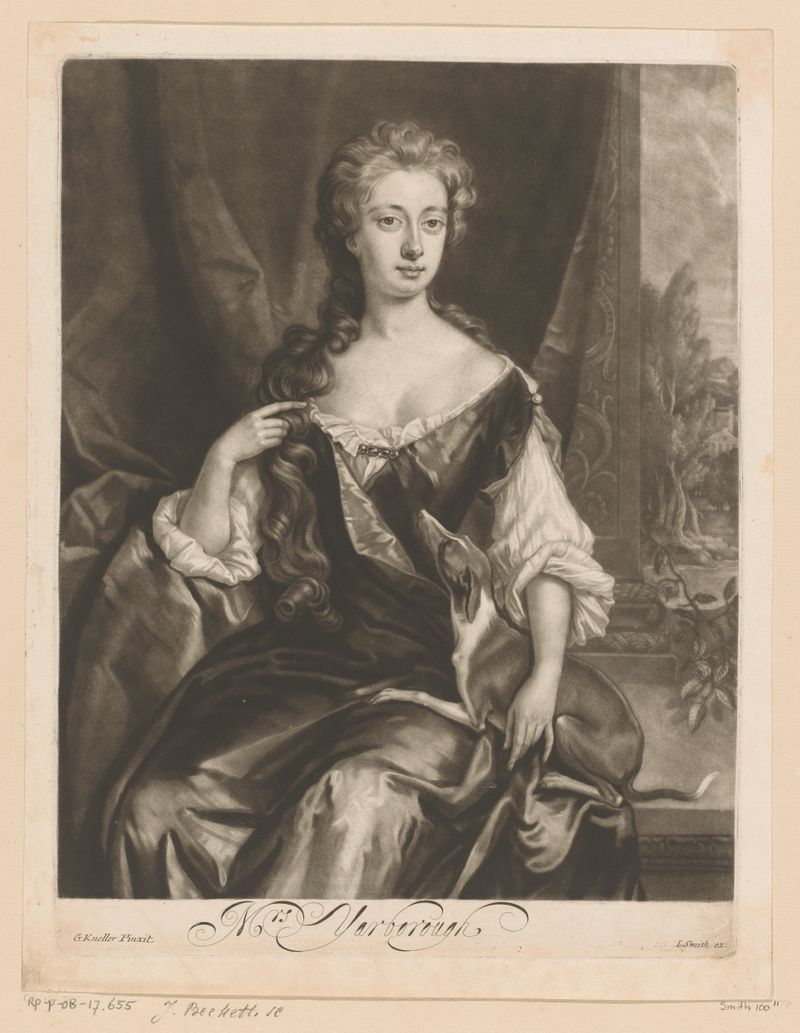
Portret van Henrietta Maria Yarborough
Isaac Beckett

Portret van Peter Lely
Isaac Beckett
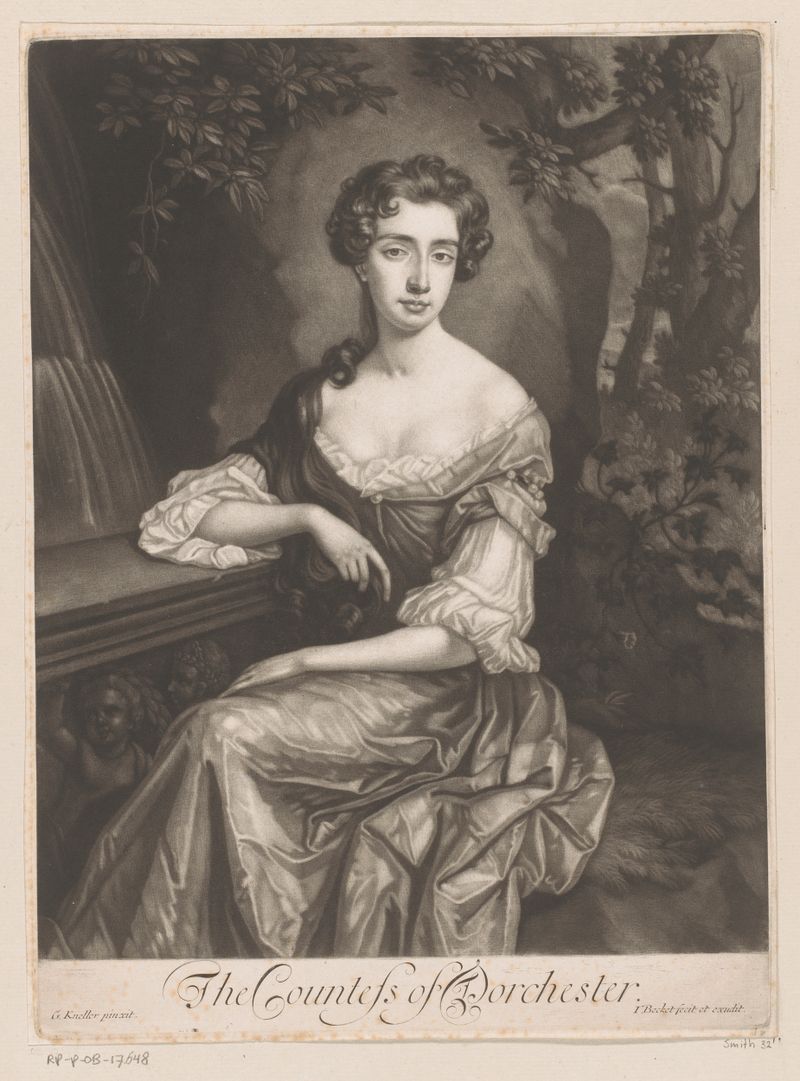
Portret van Catherine Sedley
Isaac Beckett
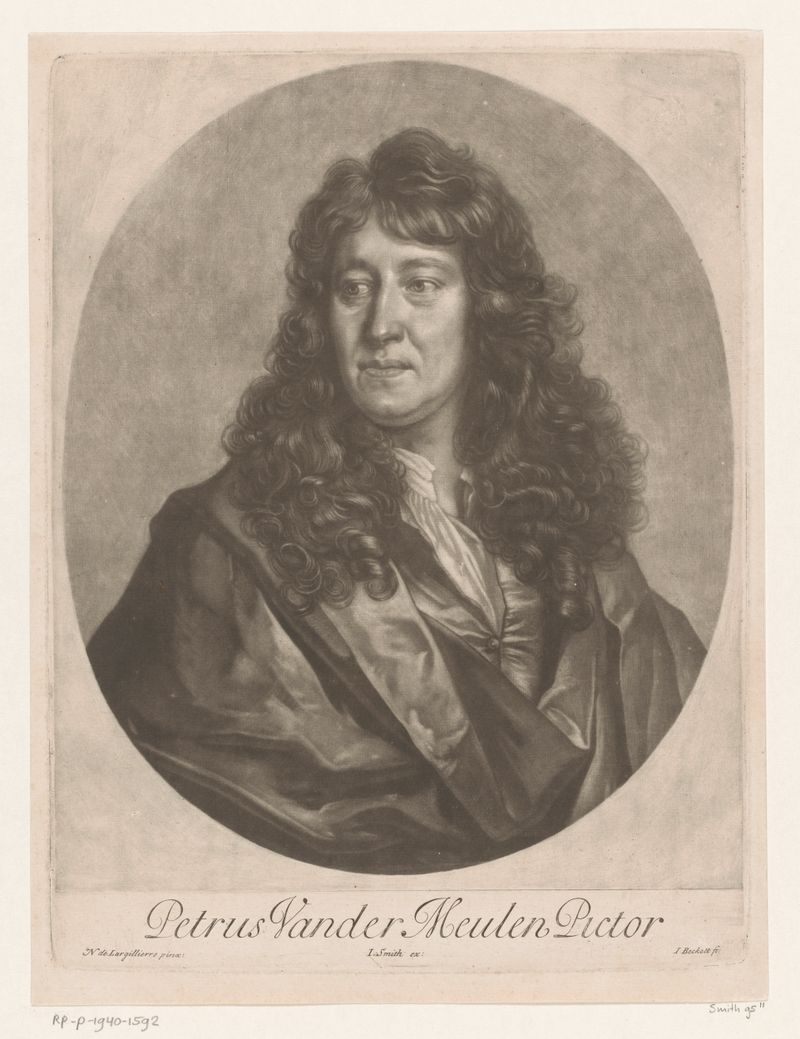
Portret van Pieter van der Meulen
Isaac Beckett

Portret van kind met hond, mogelijk Willem, hertog van Gloucester
Isaac Beckett
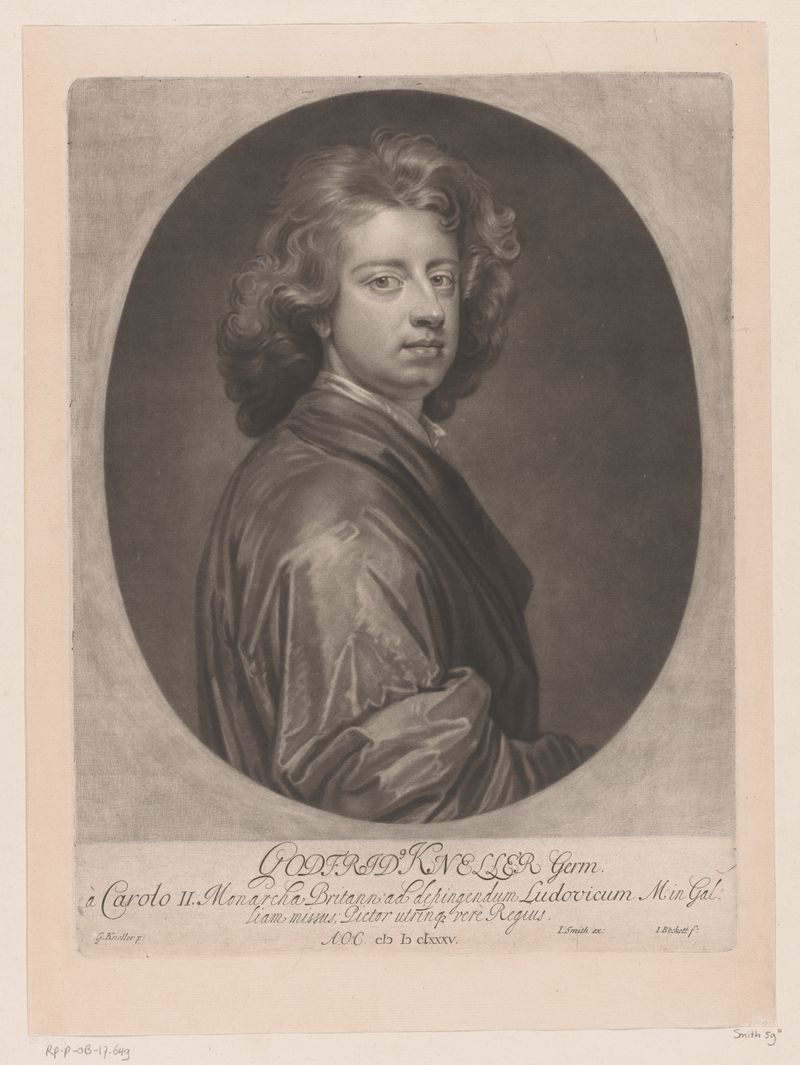
Portret van Gottfried Kneller
Isaac Beckett
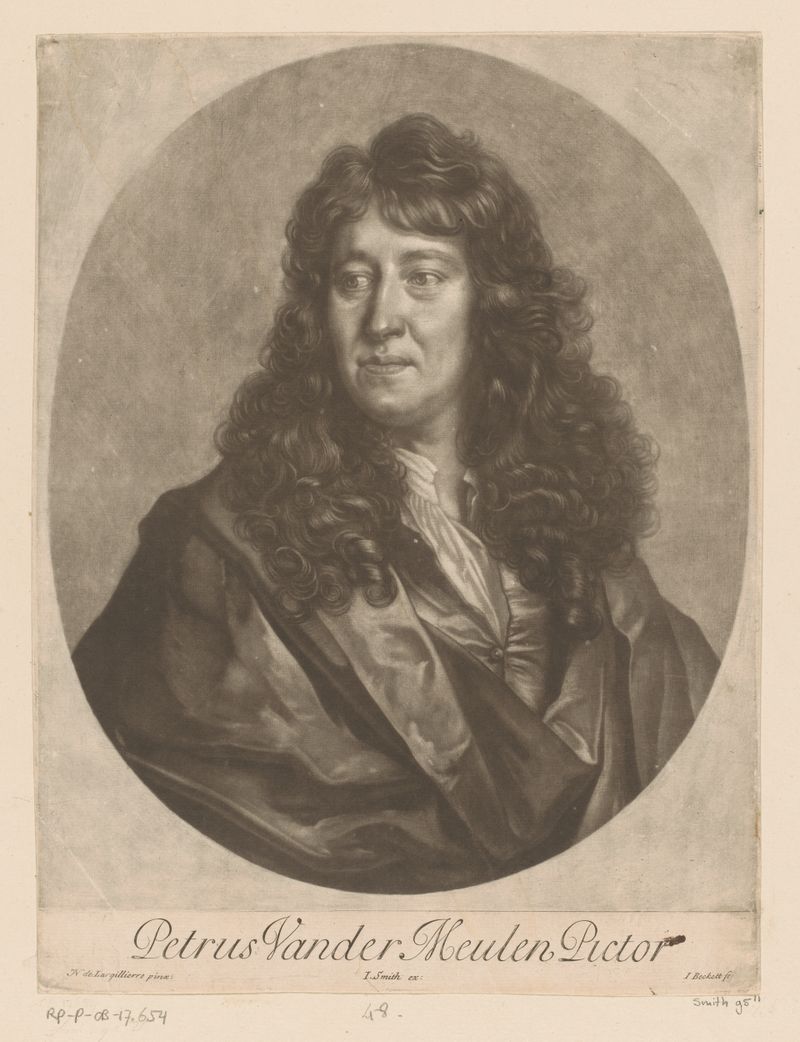
Portret van Pieter van der Meulen
Isaac Beckett

Portret van Diana Turnor
Isaac Beckett
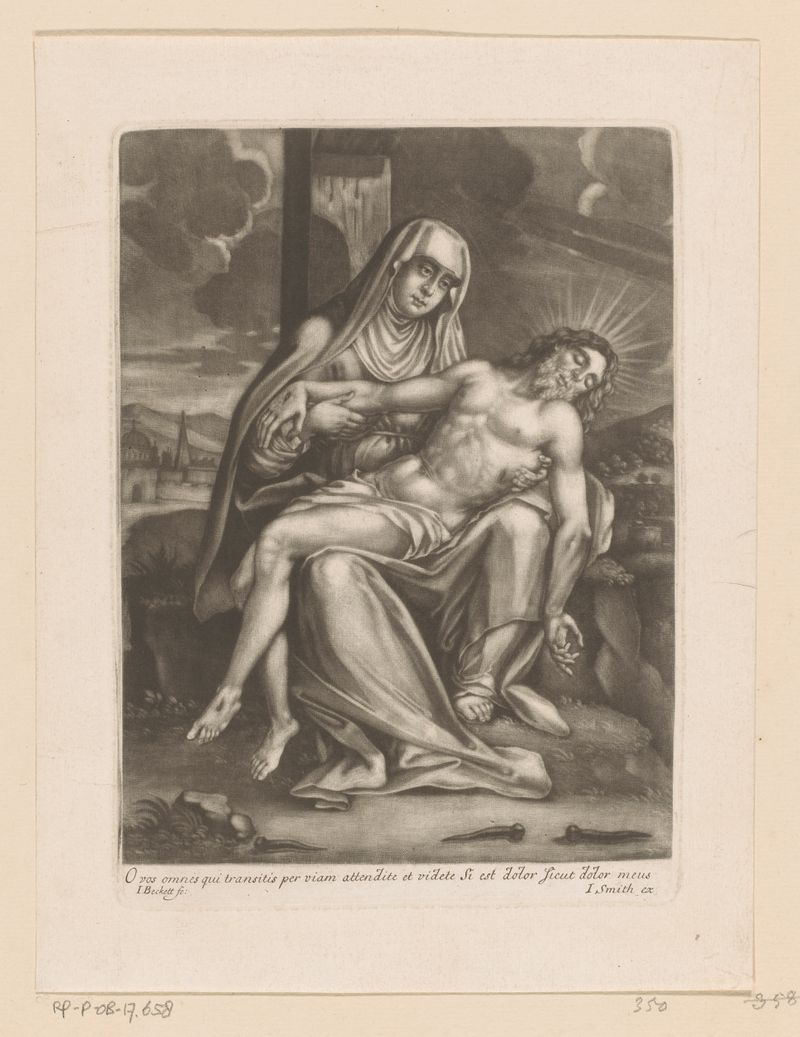
Bewening
Isaac Beckett
More Portrait Art
Browse all →
Las meninas
Diego Velázquez

Self-portrait with a Bandaged Ear and Pipe
Unidentified artist

Girl with a Pearl Earring
Johannes Vermeer

The Sampling Officials of the Amsterdam Drapers’ Guild, Known as ‘The Syndics’
Rembrandt van Rijn

The Hundred Guilder Print: the man seen on the back in the lower left corner
Rembrandt van Rijn

Portrait of Dr Gachet
Vincent van Gogh