
Portret van Diana Turnor — History & Facts
Can beauty exist without sorrow? In the haunting gaze of the subject, an unspoken longing intertwines with delicate grace, revealing the complexity of human desire. Focus on the shimmering fabric draped across her shoulders, its rich hues crafted with skillful strokes that breathe life into the canvas. Notice how the light catches the glint of her golden hair, illuminating her features while casting shadows that hint at deeper emotions. The poised yet somber expression invites viewers to contemplate the narrative behind her captivating visage, silently drawing you into her world. In this portrait, the delicate balance between elegance and melancholy becomes palpable.
The slight tilt of her head suggests vulnerability, and the subtle tension in her posture hints at an inner conflict—perhaps a yearning for love unattainable or a past filled with regrets. This interplay of light and shadow encapsulates the duality of beauty, reminding us that desire often coexists with sorrow, creating layers of meaning beneath the surface. Isaac Beckett painted Portret van Diana Turnor between 1683 and 1688, during a period marked by a burgeoning interest in portraiture within the art world. Working in England, Beckett was influenced by Dutch masters and the evolving tastes of the aristocracy.
His meticulous attention to detail and exploration of human psychology in his subjects reflect the societal shifts and cultural currents of his time, encapsulating a moment where beauty became both a privilege and a burden.
More Artworks by Isaac Beckett
Browse all →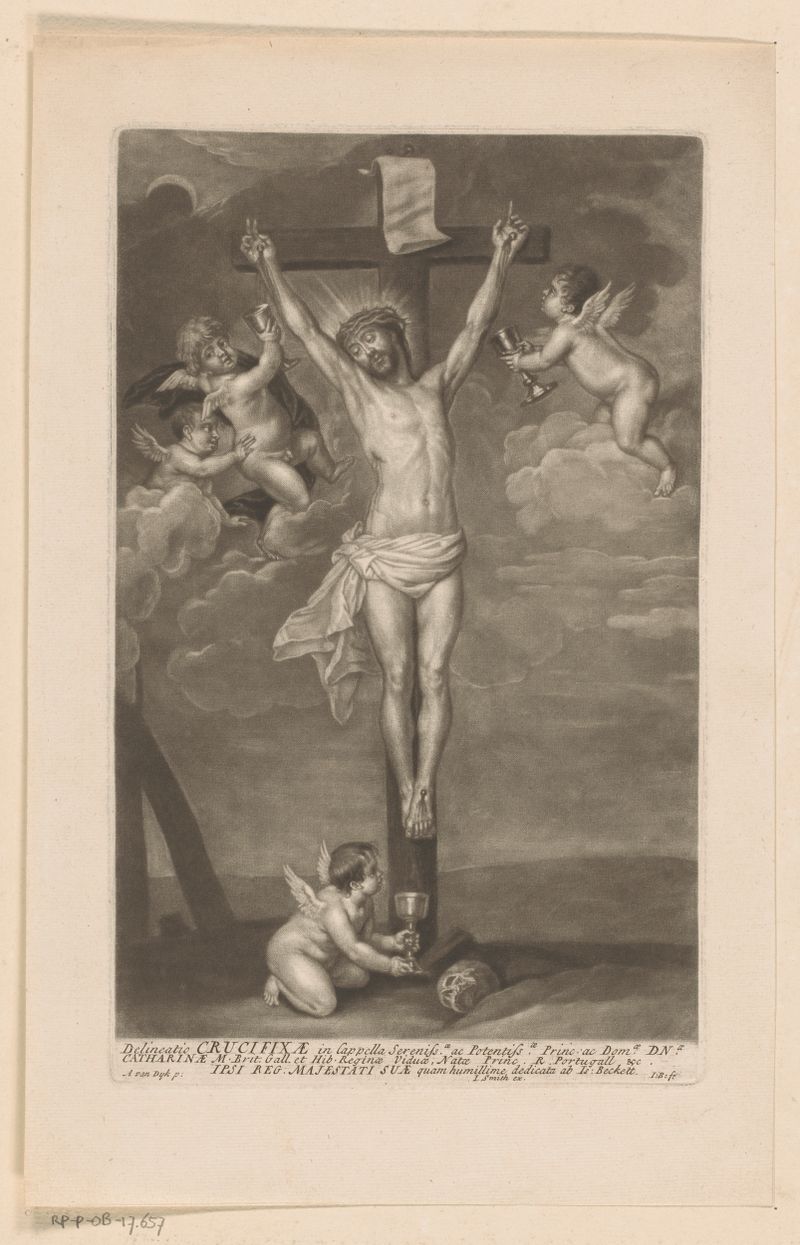
Christus aan het kruis
Isaac Beckett
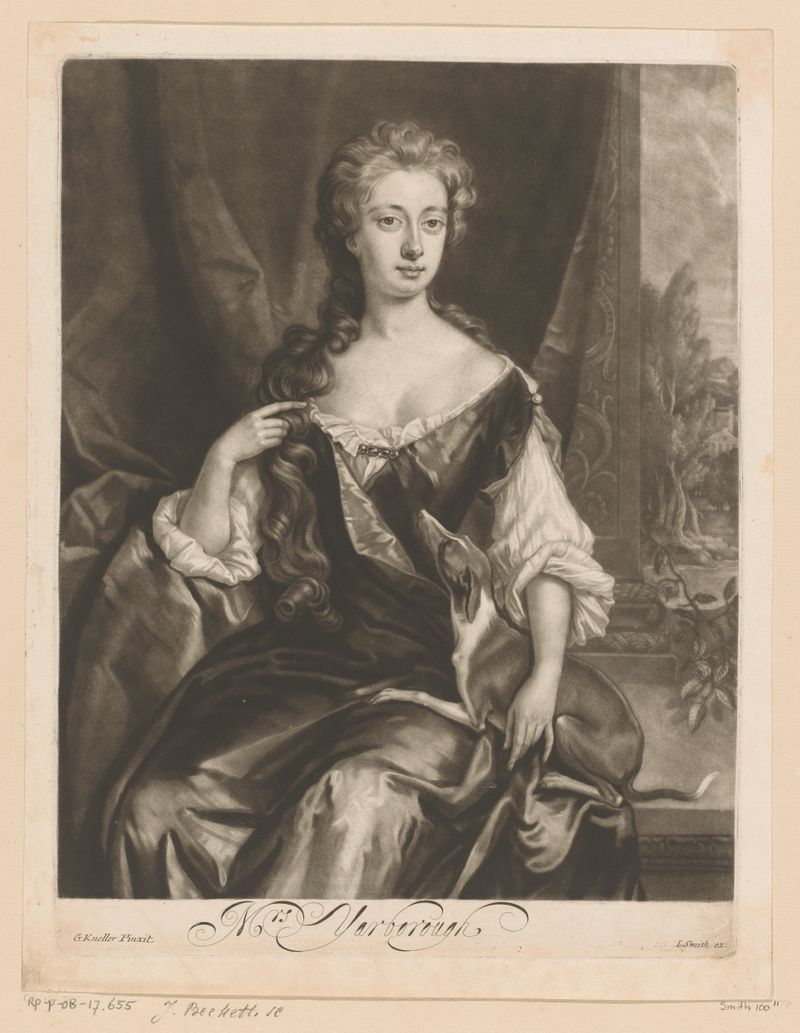
Portret van Henrietta Maria Yarborough
Isaac Beckett

Portret van Peter Lely
Isaac Beckett
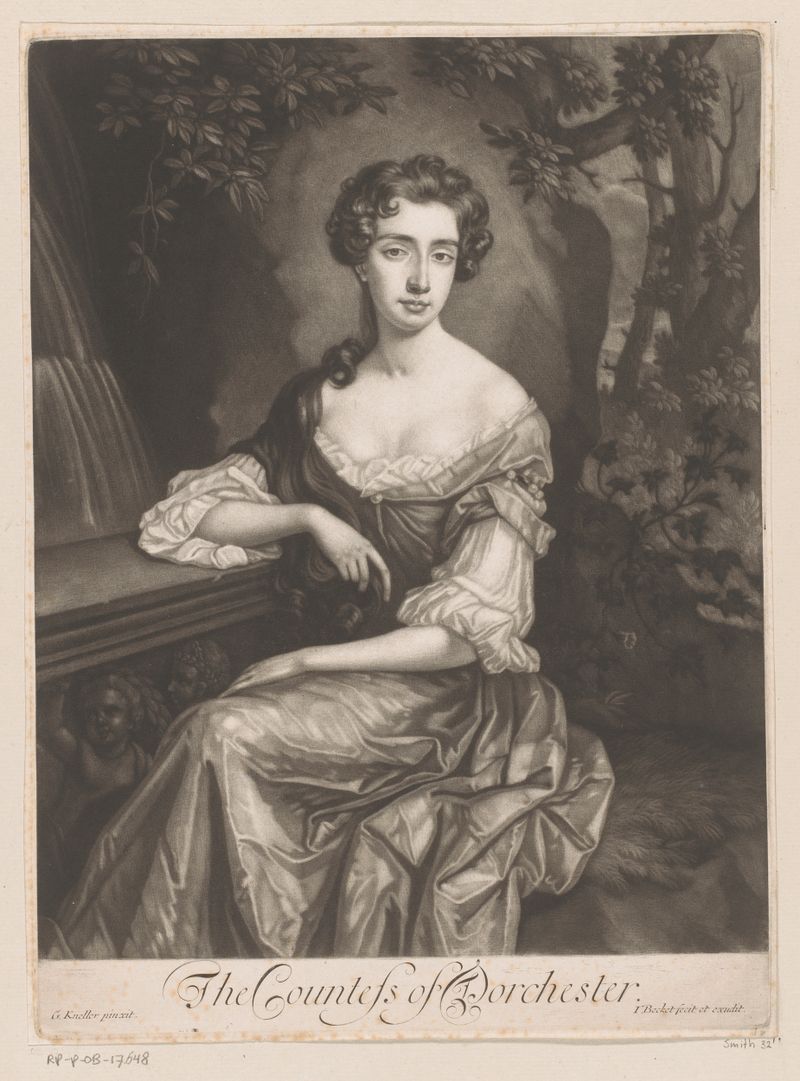
Portret van Catherine Sedley
Isaac Beckett
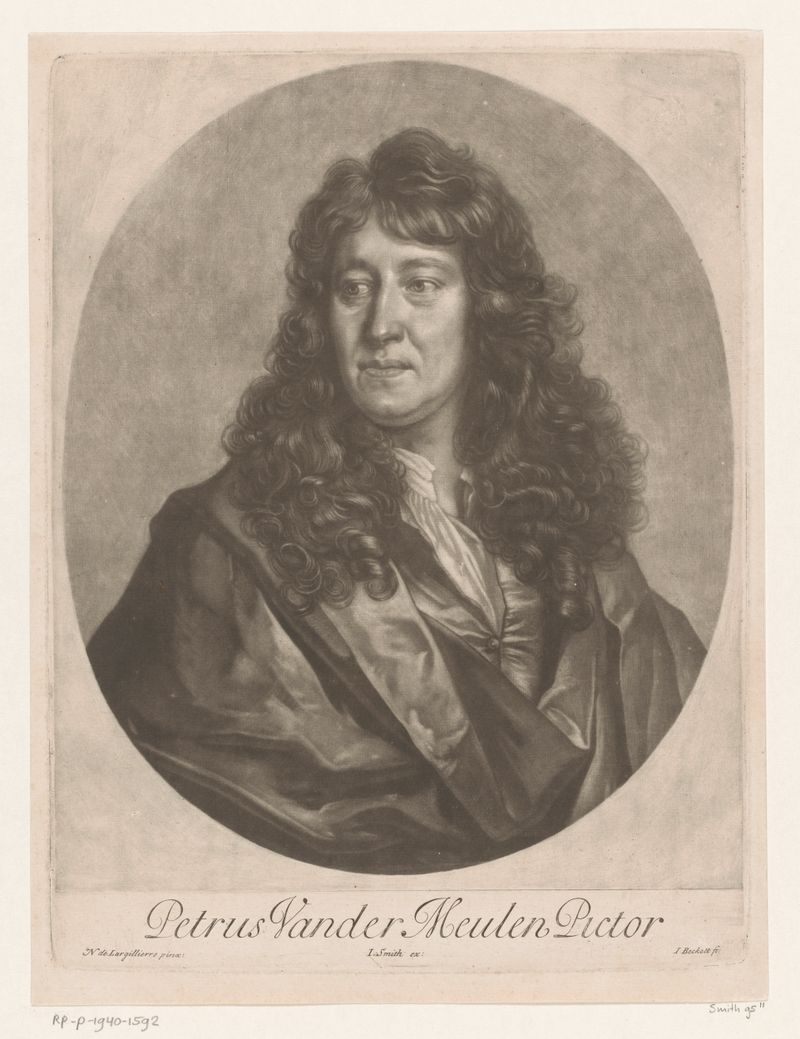
Portret van Pieter van der Meulen
Isaac Beckett
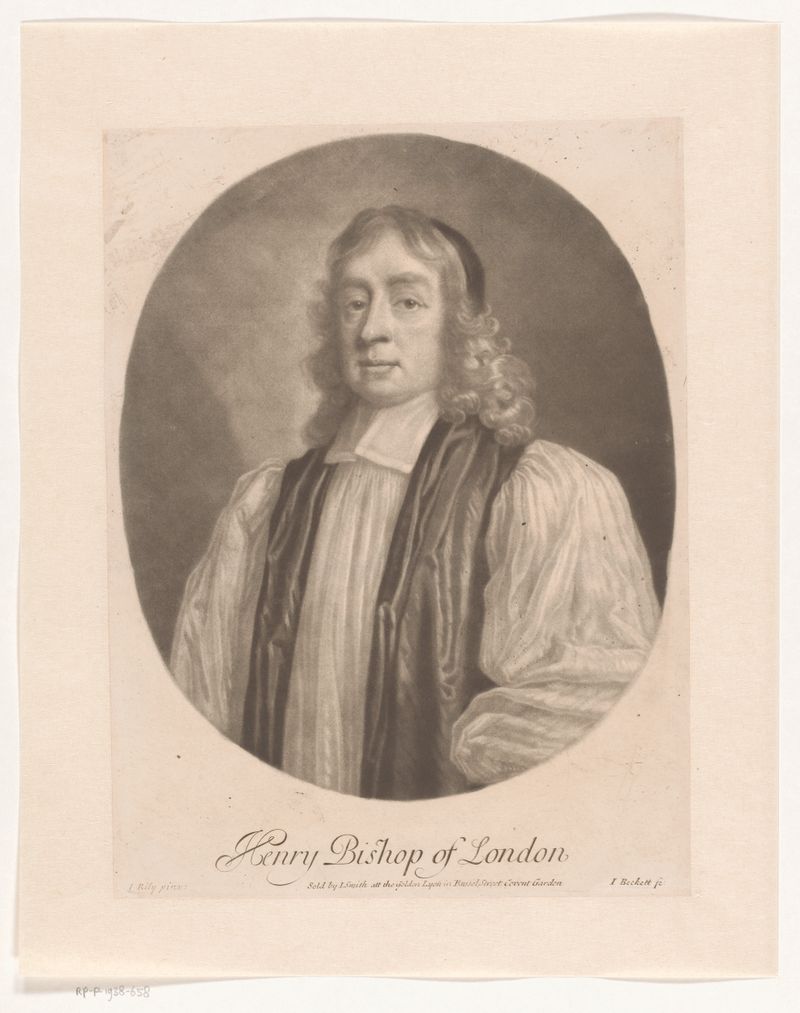
Portret van Henry Compton
Isaac Beckett

Portret van kind met hond, mogelijk Willem, hertog van Gloucester
Isaac Beckett
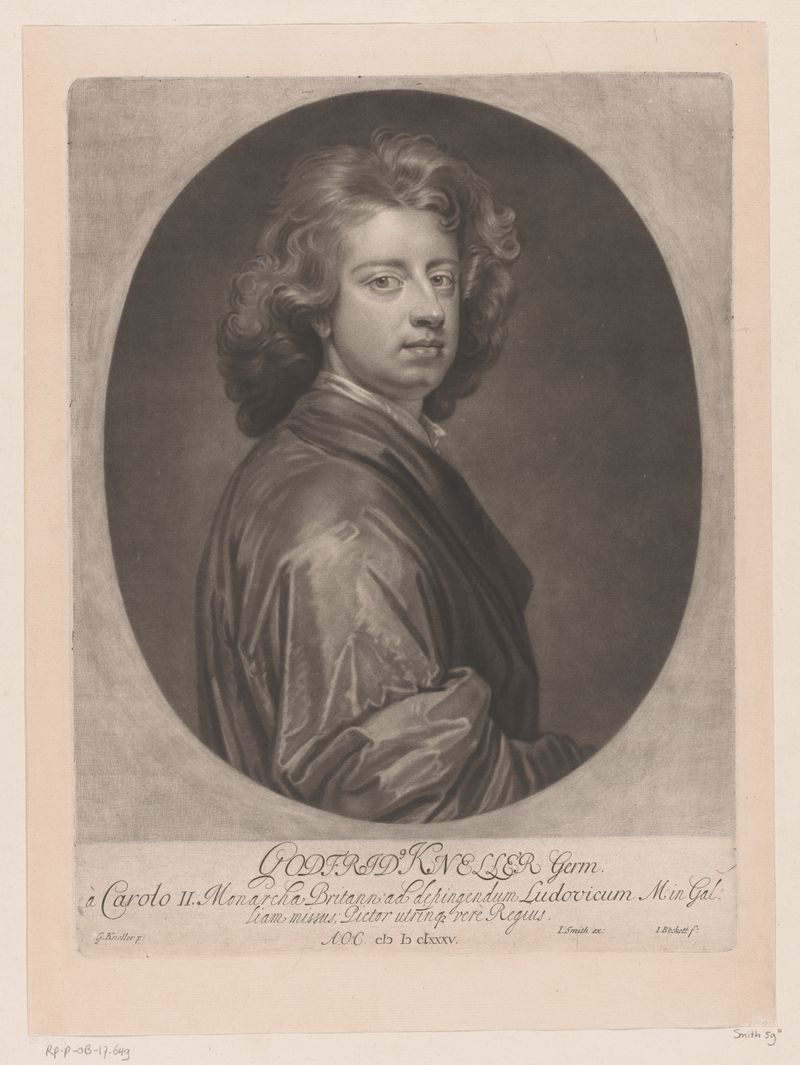
Portret van Gottfried Kneller
Isaac Beckett
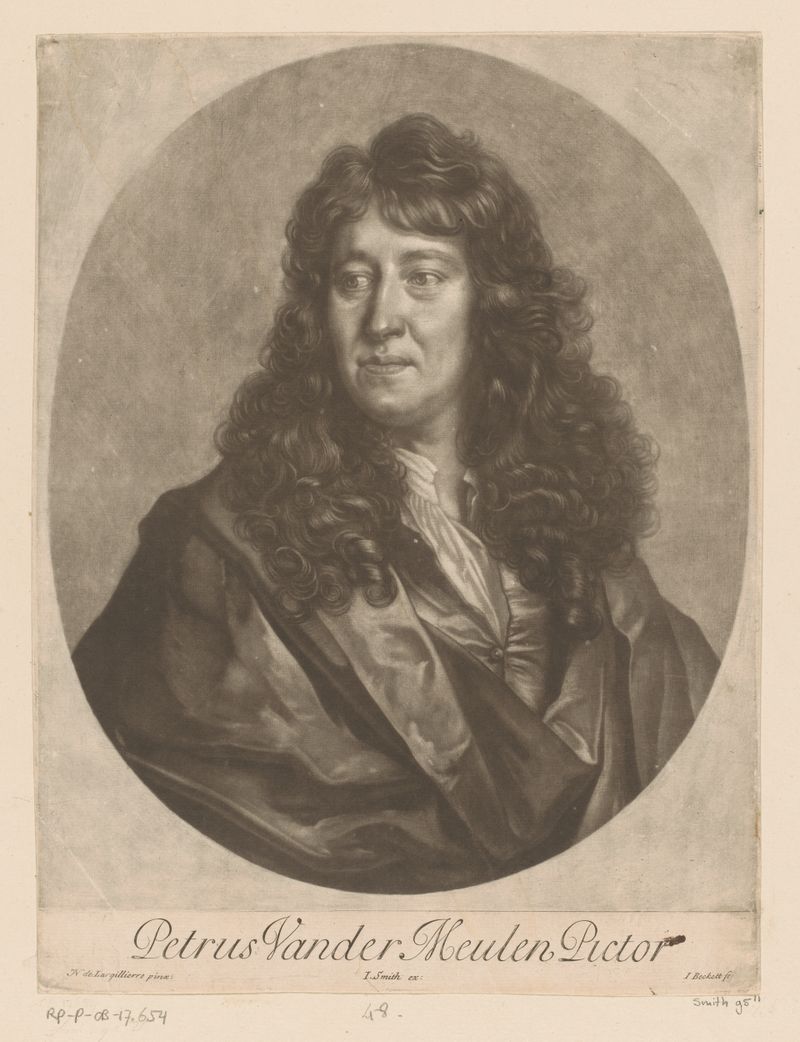
Portret van Pieter van der Meulen
Isaac Beckett
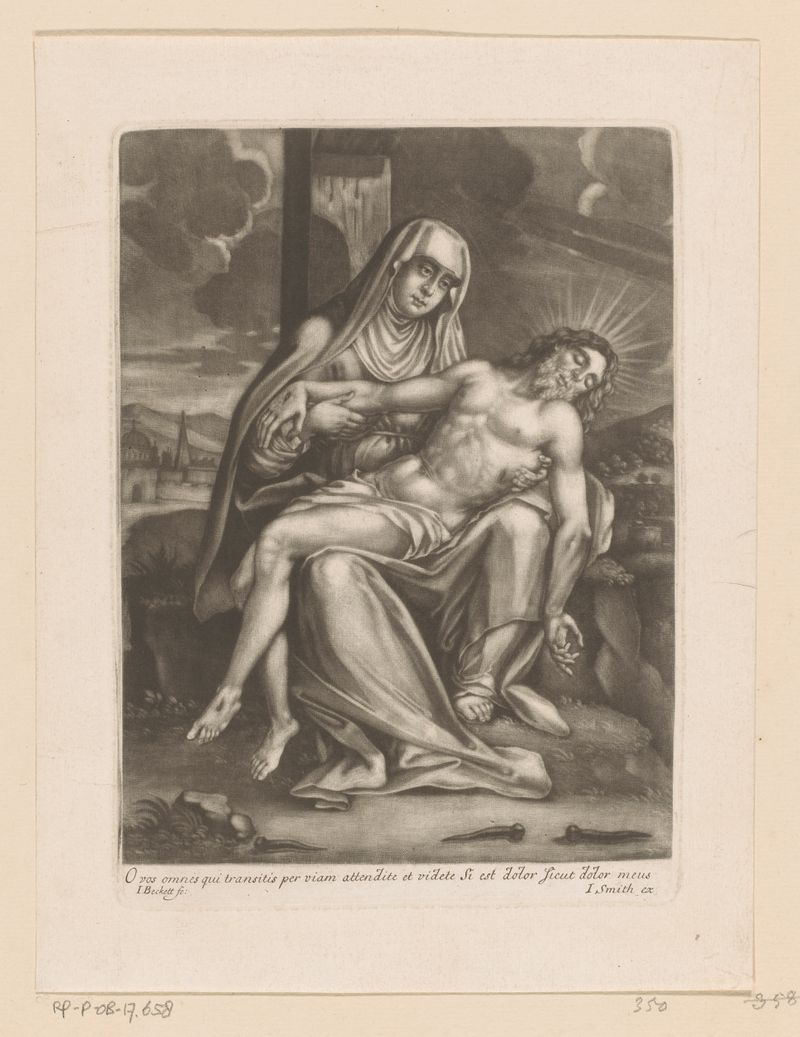
Bewening
Isaac Beckett
More Portrait Art
Browse all →
Las meninas
Diego Velázquez

Self-portrait with a Bandaged Ear and Pipe
Unidentified artist

Girl with a Pearl Earring
Johannes Vermeer

The Sampling Officials of the Amsterdam Drapers’ Guild, Known as ‘The Syndics’
Rembrandt van Rijn

The Hundred Guilder Print: the man seen on the back in the lower left corner
Rembrandt van Rijn

Portrait of Dr Gachet
Vincent van Gogh