
Portret van Peter Lely — History & Facts
What if silence could speak through light? In Portret van Peter Lely, the play of illumination serves not only to define the subject but also to whisper tales of transformation that transcend mere representation. Look to the left at the soft, golden light that bathes the figure's face, revealing the delicate features of Peter Lely. The artist’s meticulous attention to detail is evident in the textures - notice the embroidered richness of the garment and the gentle shadow that contours the collar. The subtle variations in warm hues draw the viewer’s eye, creating a sense of depth that invites lingering contemplation.
The background remains muted, casting the subject into a striking prominence, a deliberate choice that enhances the psychological distance between the viewer and the sitter. Yet, beneath the surface of this stately portrayal lies an exploration of identity and status. The ethereal quality of the light hints at a fleeting moment of recognition, suggesting that Lely is more than just a man of art; he embodies the transition from painterly craft to the status of the artist as a societal figure. The tension between the rich textures of his attire and the simplicity of the background speaks to the duality of public life and personal solitude. Isaac Beckett painted this work in England during the late 17th century, a time marked by the shifting tides of Baroque art and the rise of portraiture as a means of social commentary.
Beckett, influenced by his contemporaries, sought to capture not just likenesses but the essence of his subjects, contributing to the era's artistic revolution. This period of his life reflects an engagement with evolving ideas of individuality, as he navigated the intricate landscapes of art, identity, and society.
More Artworks by Isaac Beckett
Browse all →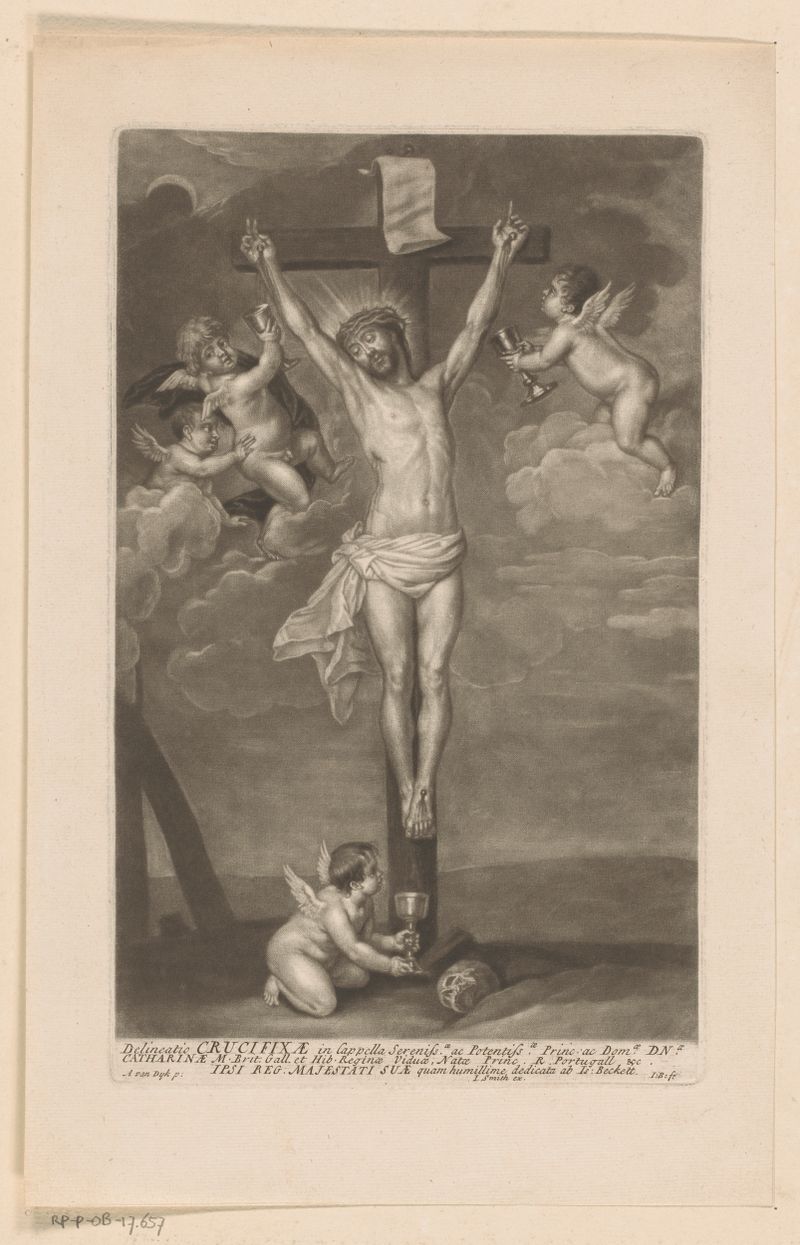
Christus aan het kruis
Isaac Beckett
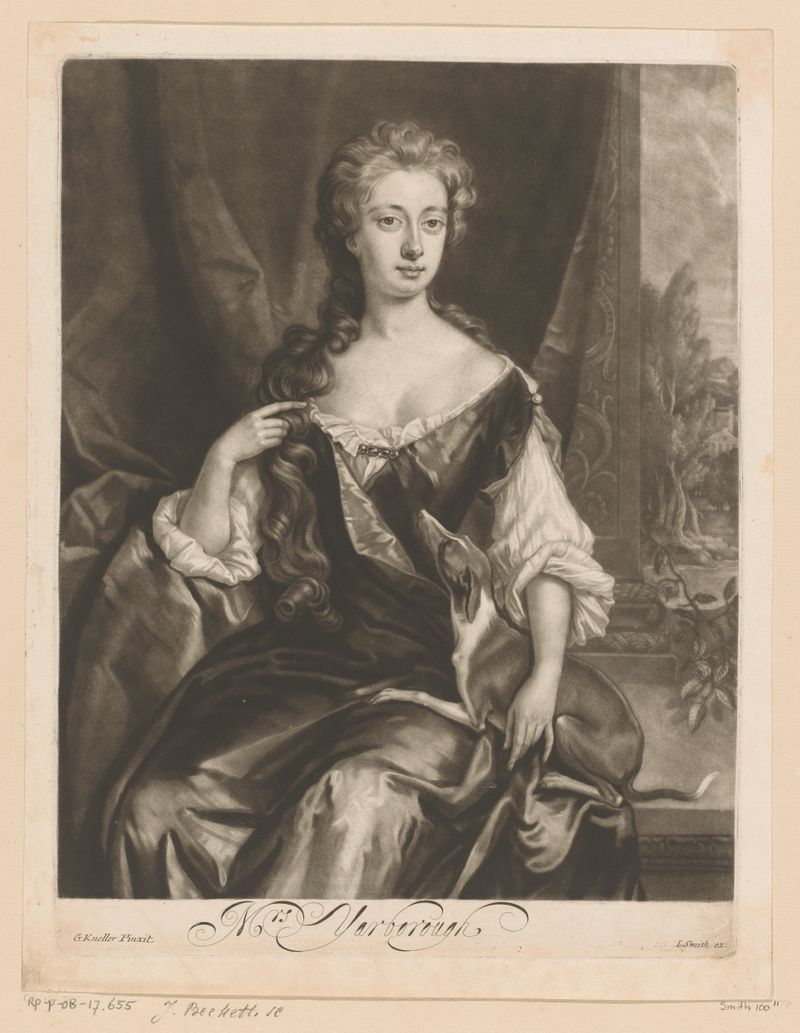
Portret van Henrietta Maria Yarborough
Isaac Beckett
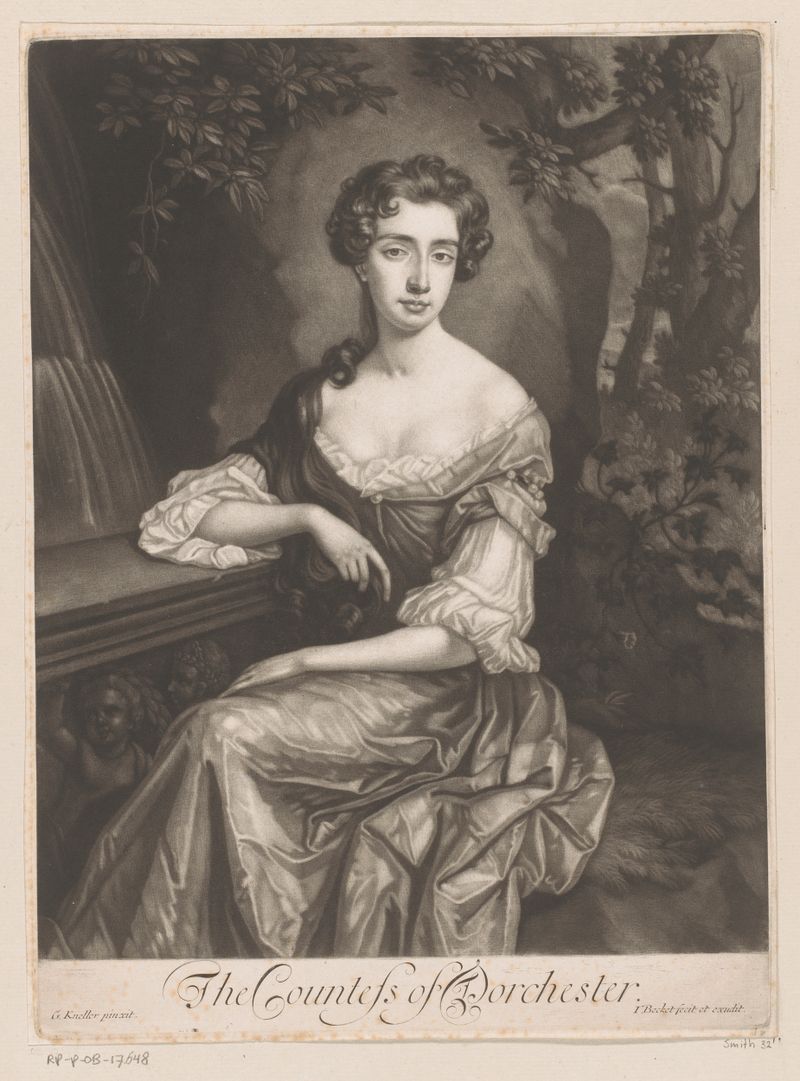
Portret van Catherine Sedley
Isaac Beckett
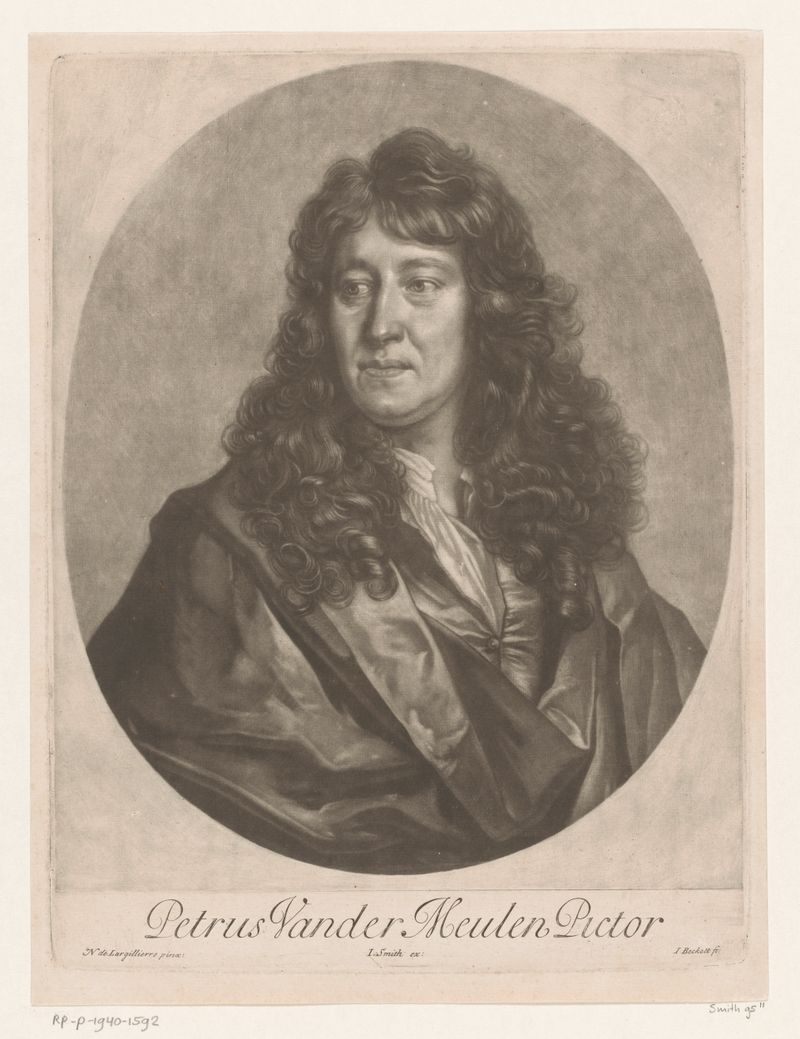
Portret van Pieter van der Meulen
Isaac Beckett
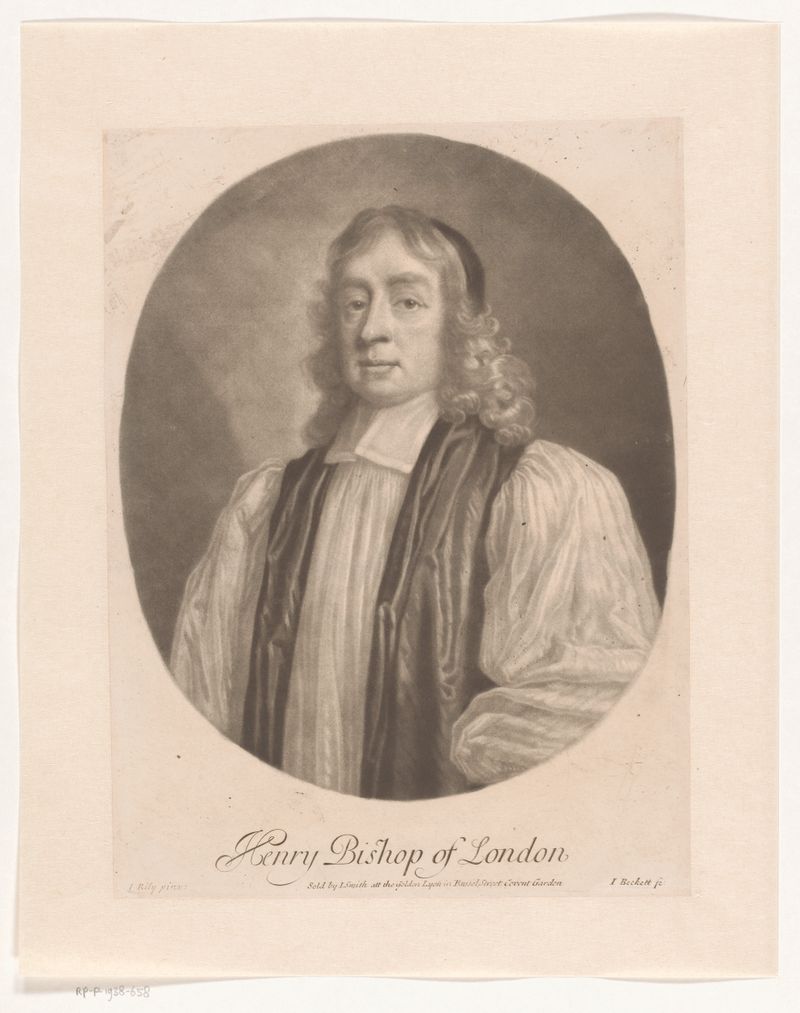
Portret van Henry Compton
Isaac Beckett

Portret van kind met hond, mogelijk Willem, hertog van Gloucester
Isaac Beckett
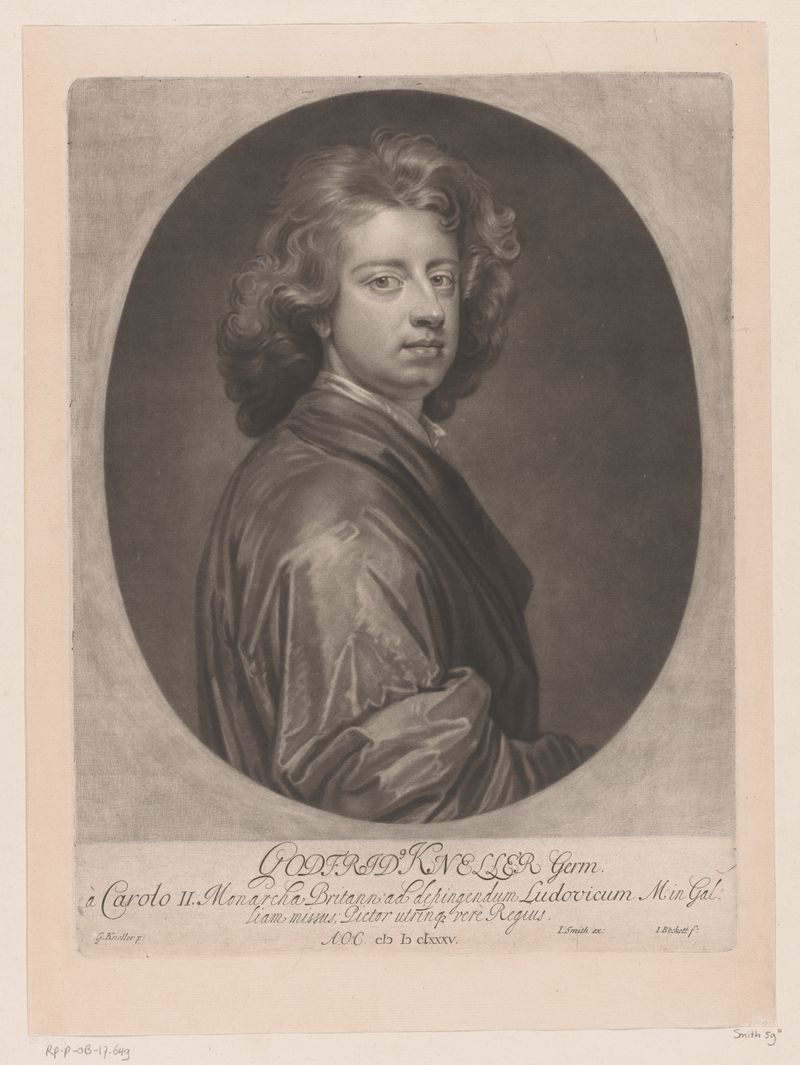
Portret van Gottfried Kneller
Isaac Beckett
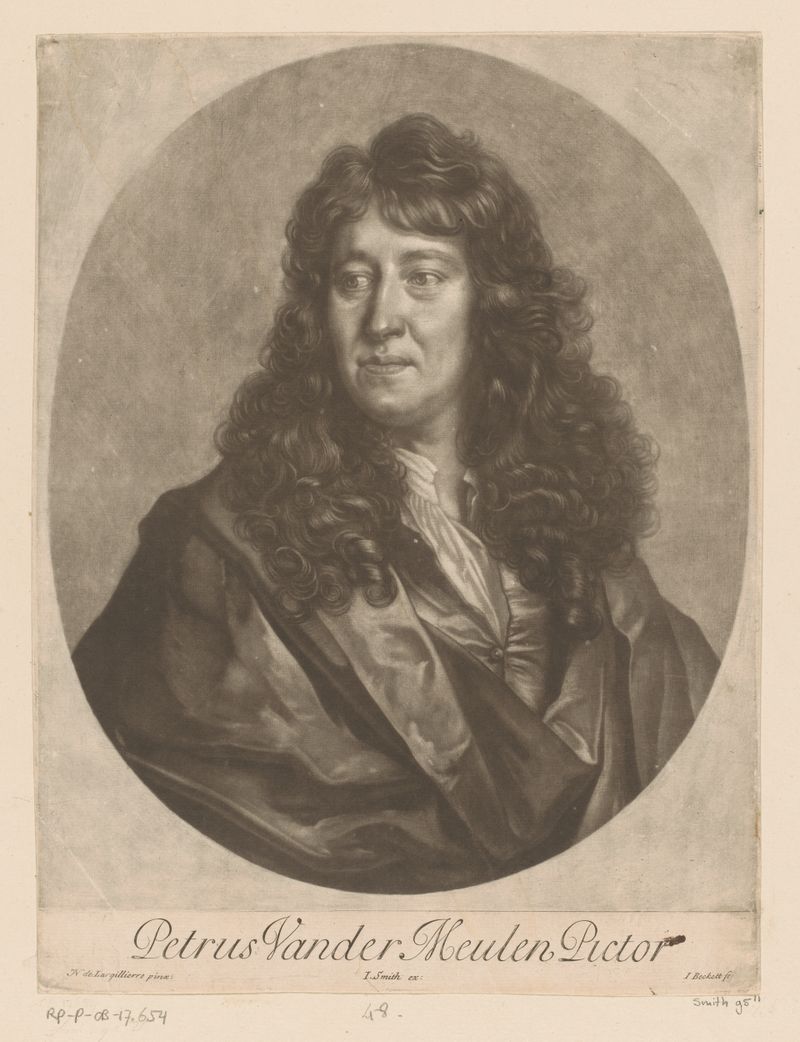
Portret van Pieter van der Meulen
Isaac Beckett

Portret van Diana Turnor
Isaac Beckett
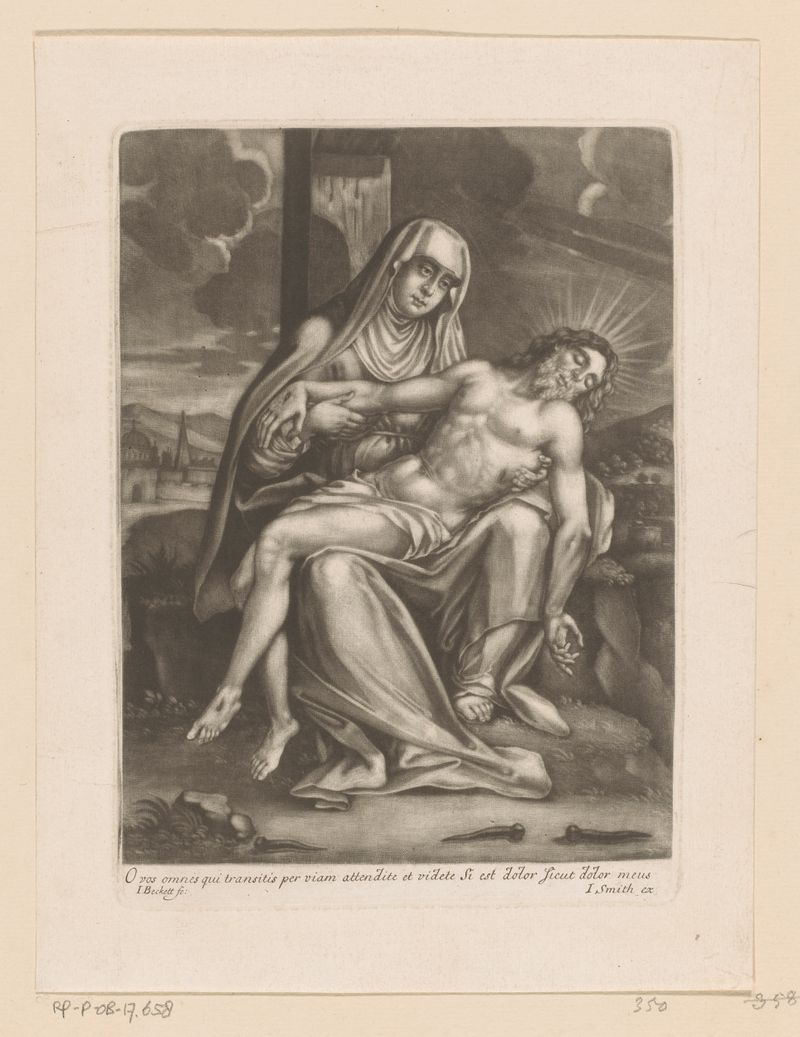
Bewening
Isaac Beckett
More Portrait Art
Browse all →
Las meninas
Diego Velázquez

Self-portrait with a Bandaged Ear and Pipe
Unidentified artist

Girl with a Pearl Earring
Johannes Vermeer

The Sampling Officials of the Amsterdam Drapers’ Guild, Known as ‘The Syndics’
Rembrandt van Rijn

The Hundred Guilder Print: the man seen on the back in the lower left corner
Rembrandt van Rijn

Portrait of Dr Gachet
Vincent van Gogh