
Christus als de Goede Herder — History & Facts
What if silence could speak through light? In Christus als de Goede Herder, the gentle radiance envelops the figure of Christ, inviting contemplation on the divine presence that guides us toward our destiny. Look to the center where Christ stands, a shepherd cradling a lamb in his arms, embodying both tenderness and authority. Note the delicate play of light cascading over his robes, the subtle hues of gold and blue that contrast the earthy tones of the landscape. This careful arrangement directs the viewer's gaze not just to the figure but also to the serene space in which he dwells, emphasizing the profound stillness that surrounds him. The painting juxtaposes the innocence of the lamb with the strength of its shepherd, evoking themes of protection and sacrifice.
The lush greenery that stretches behind Christ symbolizes abundance and life, while the bright halo signifies divinity. Yet, there is an underlying tension—the quiet anticipation of what lies beyond this moment of peace, suggesting a destiny intertwined with both pastoral beauty and impending responsibility. Created between 1473 and 1477, this artwork emerged during a transformative period in Northern Renaissance art, marked by a burgeoning interest in naturalism and emotion. The artist, known as the Meester van het Amsterdamse Kabinet, worked in a context where the Church increasingly commissioned art that was both accessible and spiritually resonant.
As such, this piece reflects a deep understanding of human emotion, merging the sacred with the intimate.
More Artworks by Meester van het Amsterdamse Kabinet
Browse all →
De Heilige Familie bij de rozenstruik
Meester van het Amsterdamse Kabinet

Hertenjacht
Meester van het Amsterdamse Kabinet
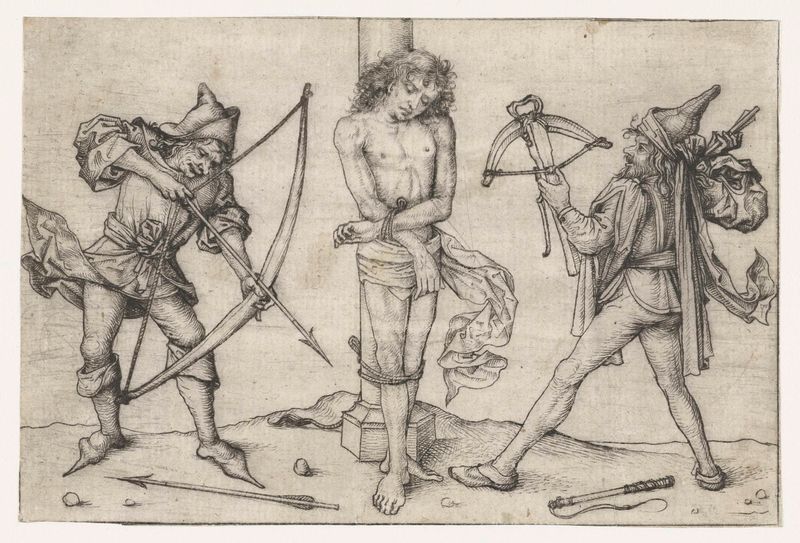
Heilige Sebastiaan met boogschutters
Meester van het Amsterdamse Kabinet

Het lichaam van Christus ondersteund door twee engelen
Meester van het Amsterdamse Kabinet

Heilige Anna-te-Drieën
Meester van het Amsterdamse Kabinet

Heilige Barbara (grote versie)
Meester van het Amsterdamse Kabinet
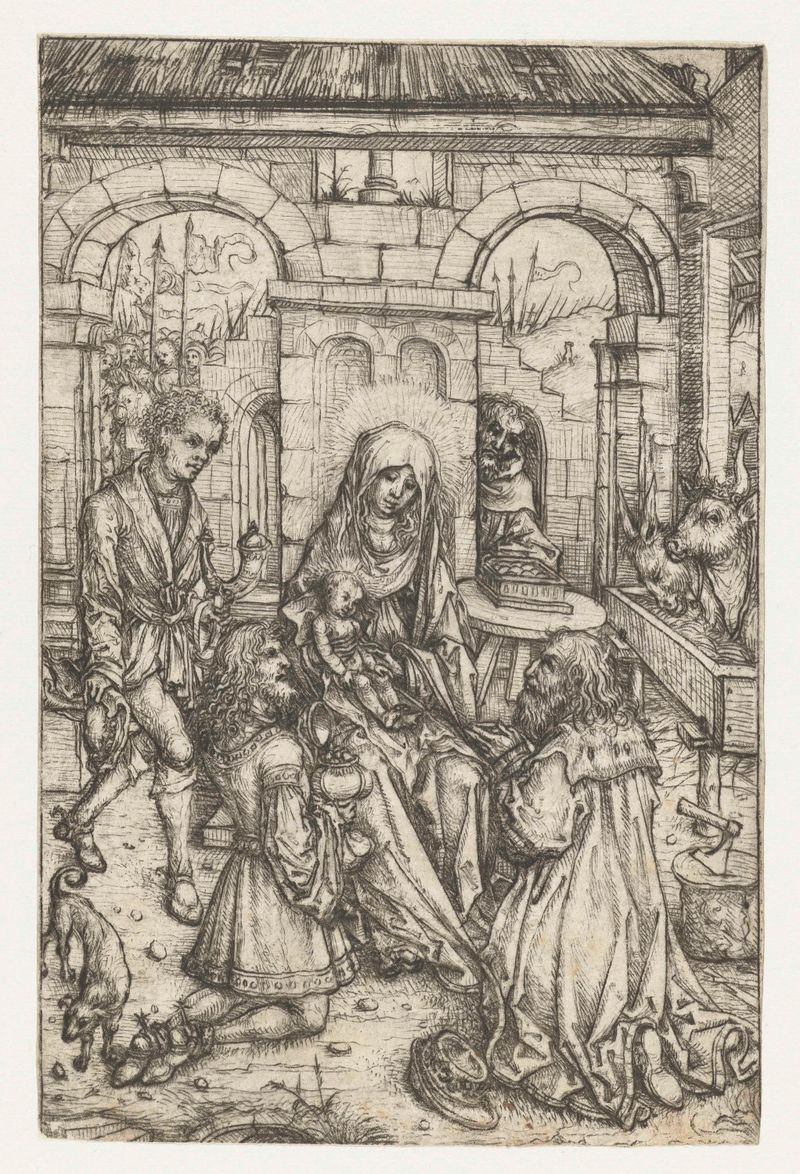
Aanbidding der koningen
Meester van het Amsterdamse Kabinet
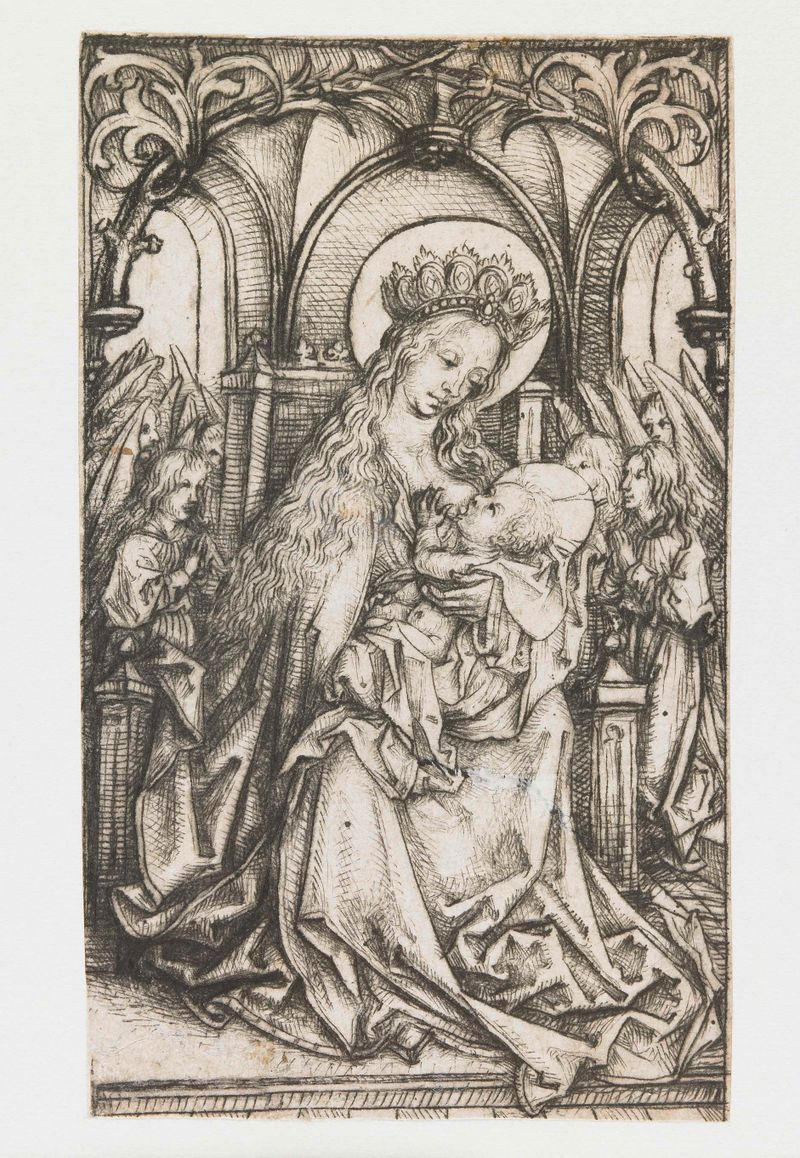
Tronende Madonna door engelen aanbeden
Meester van het Amsterdamse Kabinet

Het zegenend Christuskind
Meester van het Amsterdamse Kabinet
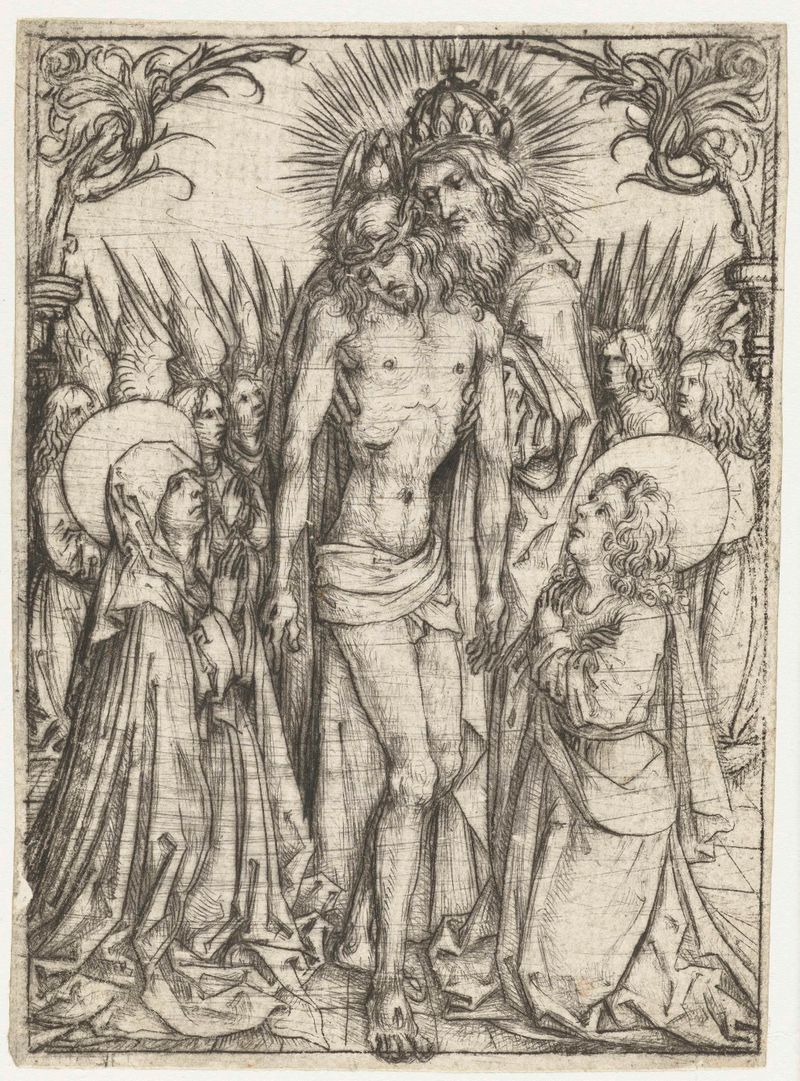
Aanbidding van de Heilige Drieëenheid door Maria, Johannes de Evangelist en engelen
Meester van het Amsterdamse Kabinet
More Religious Art
Browse all →
The Return of the Prodigal Son
Rembrandt van Rijn

The Garden of Earthly Delights
El Bosco

Count Orgaz’ funeral
El Greco

The Hundred Guilder Print: the central piece with Christ preaching, the plate arched
Rembrandt van Rijn

The Descent from the Cross
Rogier van der Weyden

The return of the prodigal son
Rembrandt van Rijn