
Clair De Lune — History & Facts
Could beauty survive in a century of chaos? Clair De Lune captures the essence of a delicate moment, suspended in time, where tranquility seeks refuge amidst turbulent seas of modernity. Focus on the soft interplay of blues and whites that envelop the canvas. The ethereal moonlight spills across the surface, guiding your gaze to the shimmering water where reflections dance with a gentle rhythm. Notice how the faint outlines of trees frame the scene, their dark silhouettes lending depth and contrast to the luminous light, inviting contemplation of the serene landscape that seems to exist in a world apart. The painting is imbued with emotional tension, touching upon themes of solitude and introspection.
The stillness of the water contrasts sharply with the vibrant life outside its borders, symbolizing a yearning for peace. Hidden within the brushstrokes are whispers of transformation, suggesting that in moments of quiet reflection, one can find sanctuary, even as life rages on beyond the horizon. Henri Le Sidaner painted Clair De Lune in 1899, during a period marked by rapid industrialization and social upheaval in Europe. Nestled in the evocative landscapes of France, he sought to create a sense of calm through his Impressionist style, capturing fleeting moments of beauty as a counterpoint to the growing chaos of the modern world.
More Artworks by Henri Le Sidaner
Browse all →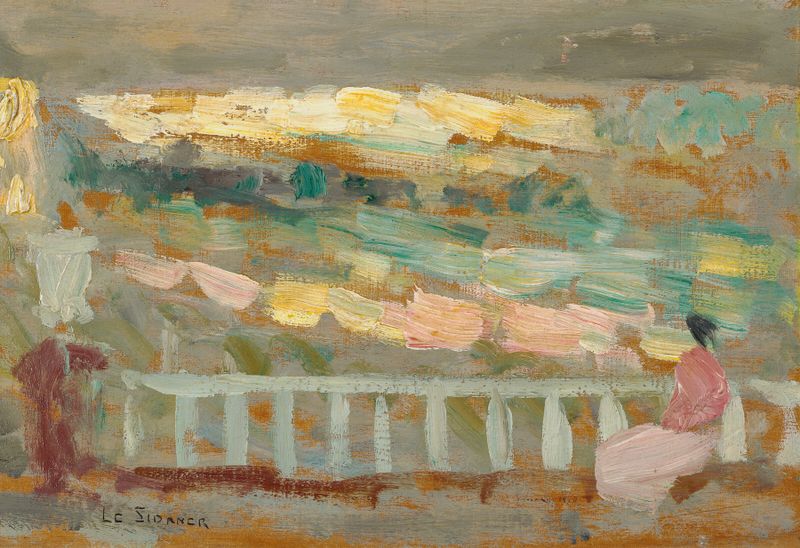
Terrasse à Gerberoy
Henri Le Sidaner
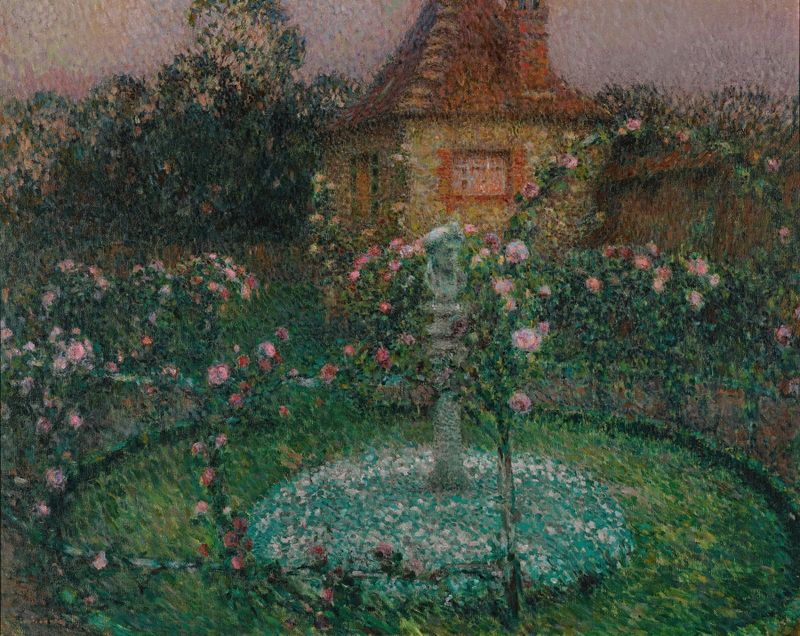
Le Pavillon, Gerberoy
Henri Le Sidaner
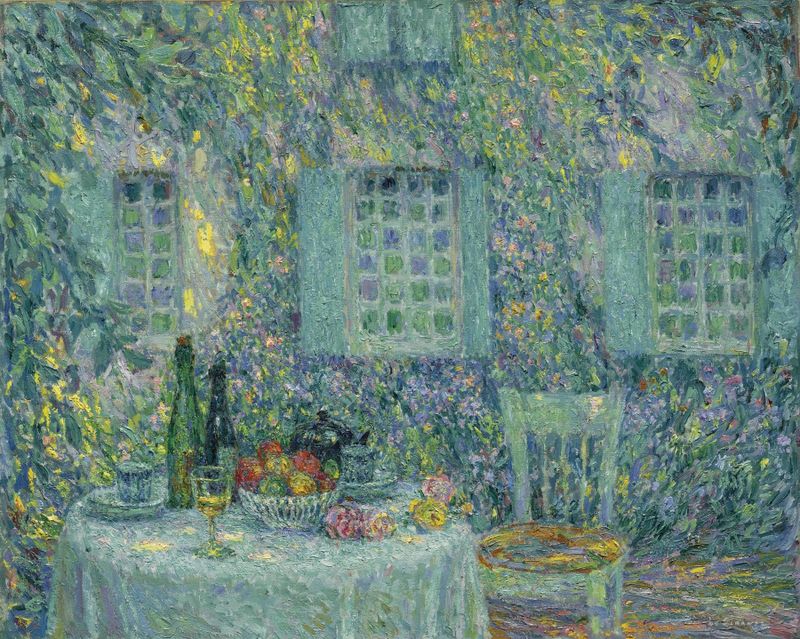
La Table, soleil dans les feuilles, Gerberoy
Henri Le Sidaner
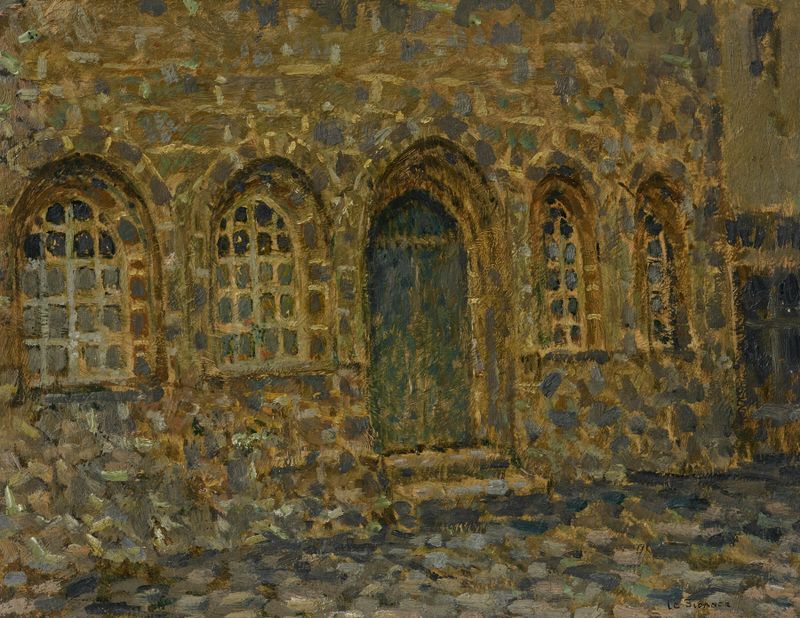
Maison ancienne, Tréguier
Henri Le Sidaner
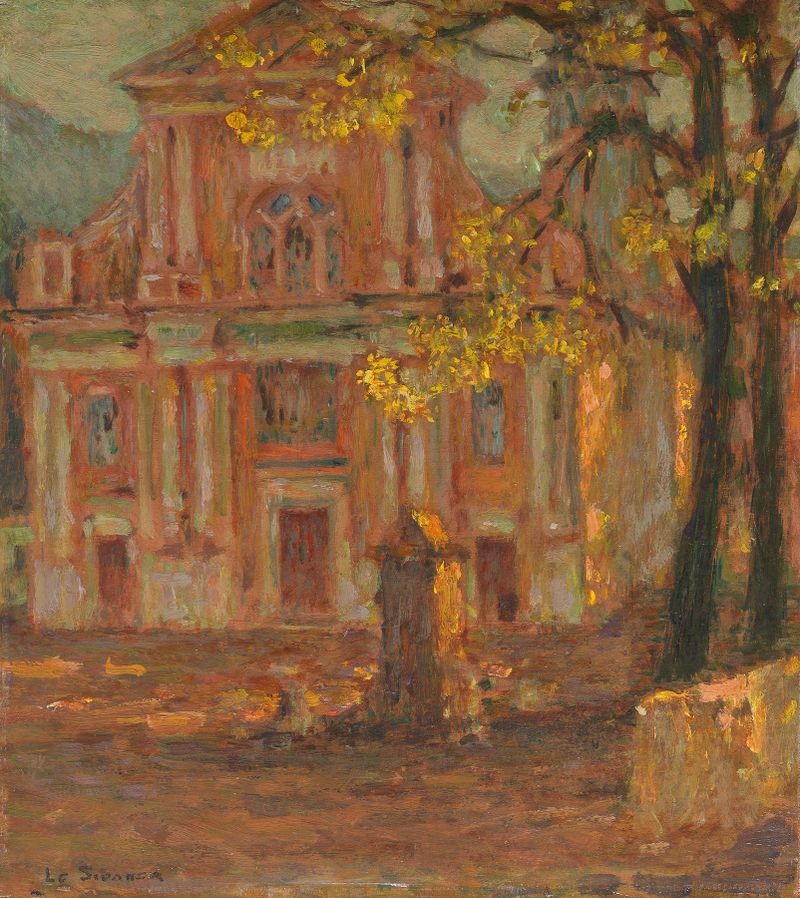
L’église, Dolceacqua
Henri Le Sidaner
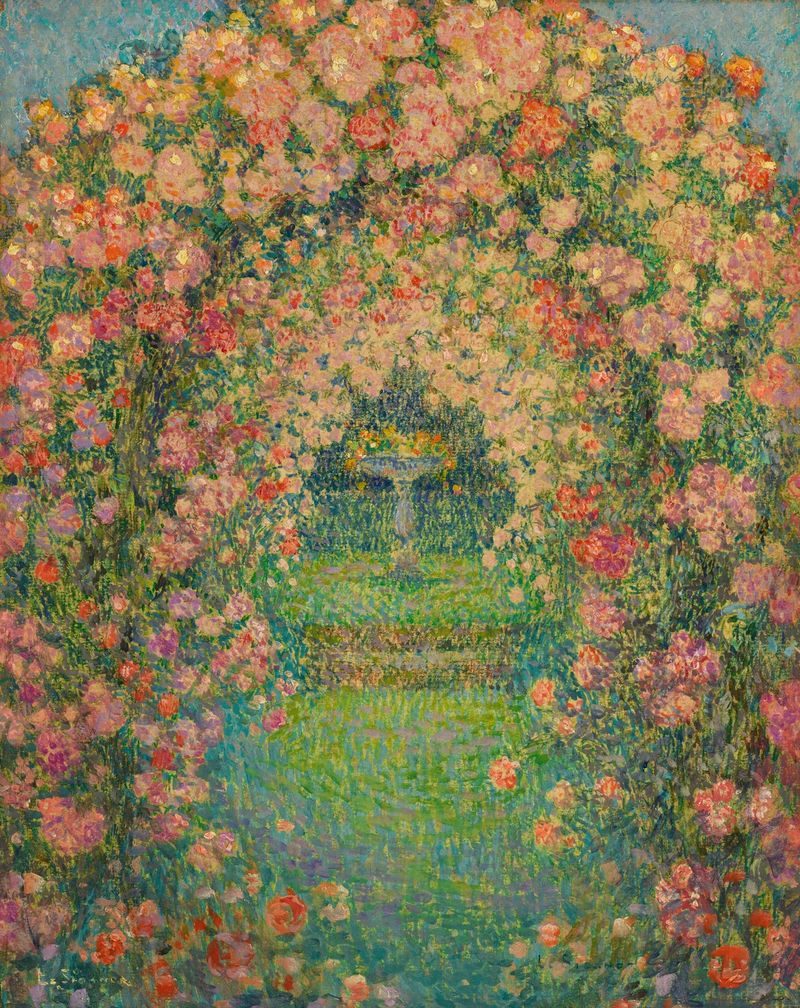
La Roseraie, Gerberoy
Henri Le Sidaner
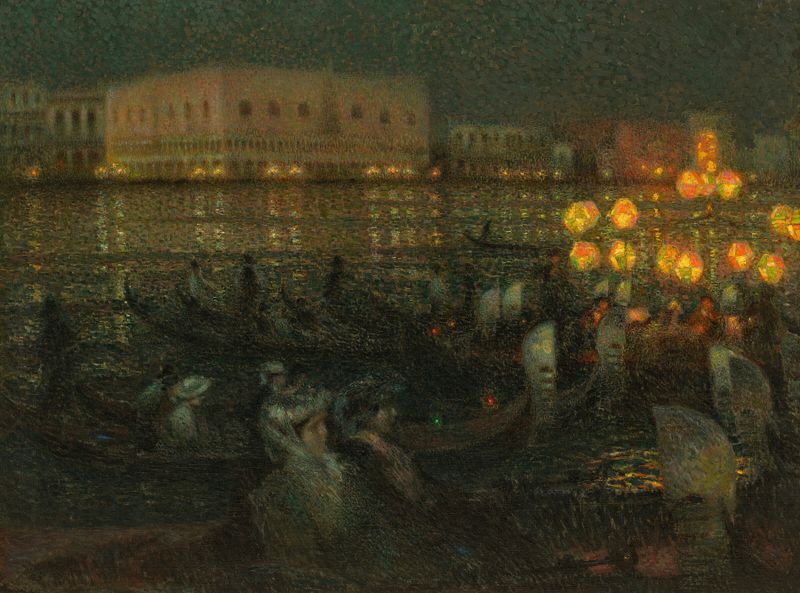
La Sérénade, Venise
Henri Le Sidaner
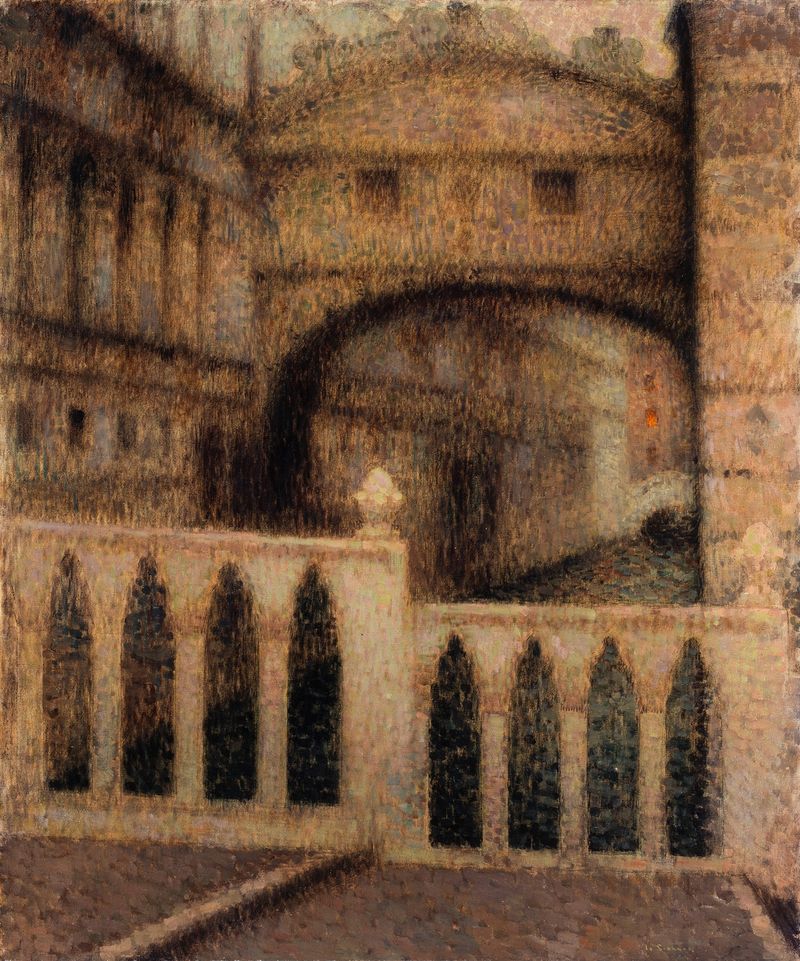
Le pont des Soupirs
Henri Le Sidaner
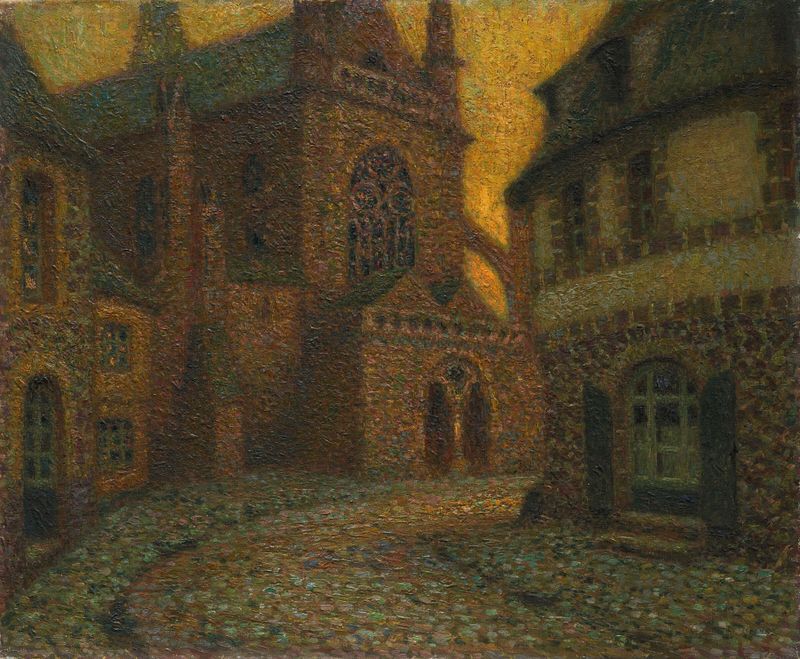
L’Église, Tréguier
Henri Le Sidaner
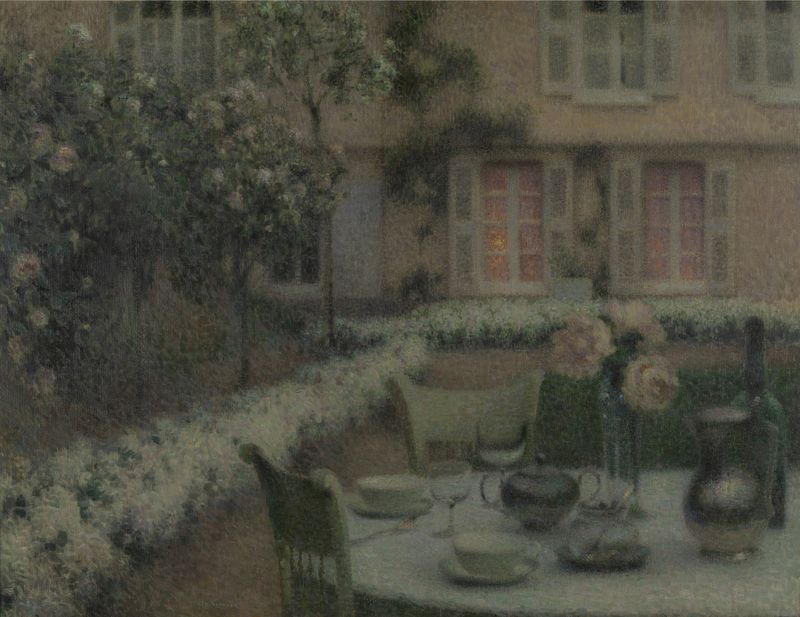
The Table in the White Garden at Gerberoy
Henri Le Sidaner





