Classical Landscape with Figures — History & Facts
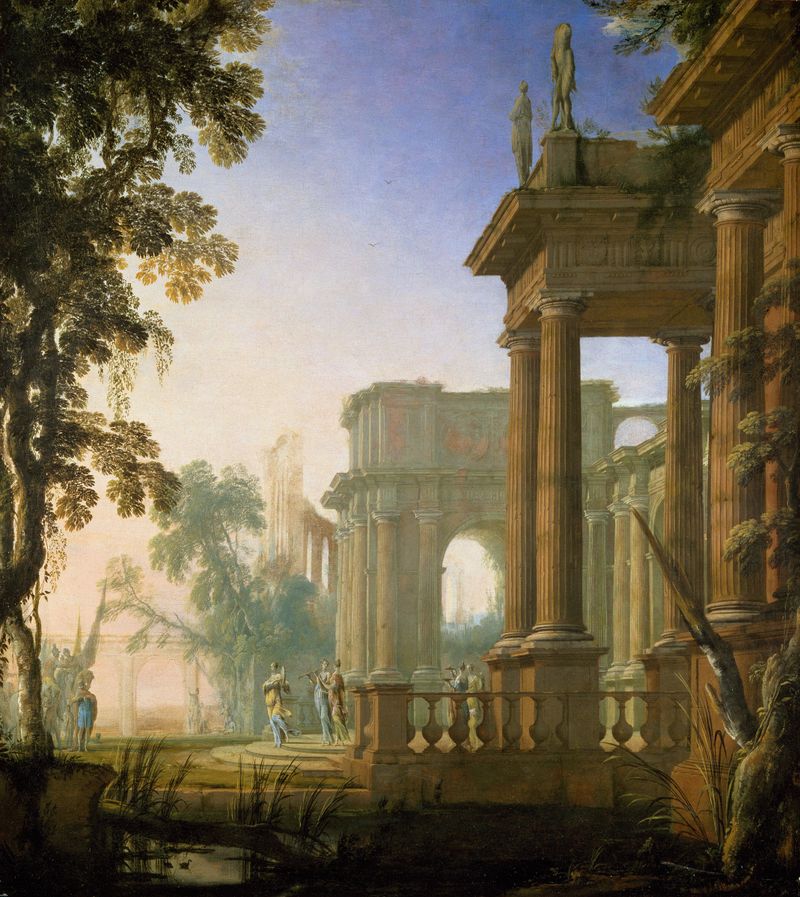
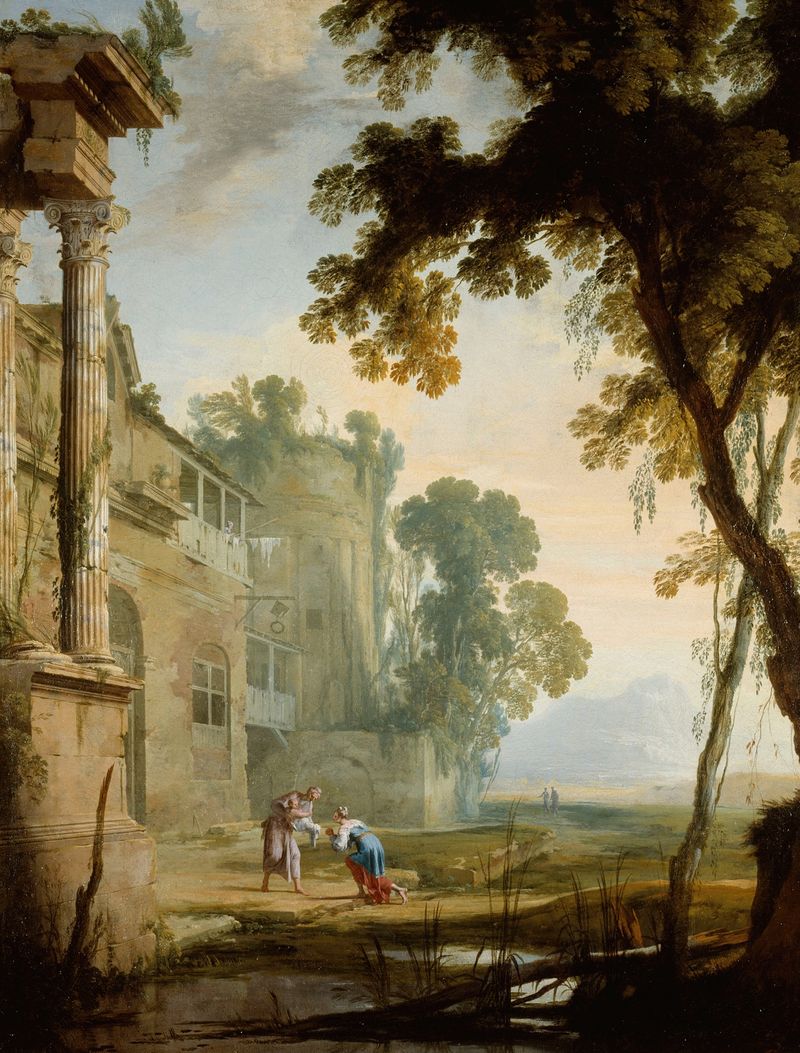
In the realm of art, the interplay between truth and illusion lingers like a whisper, urging us to look deeper. Focus first on the harmonious expanse of verdant greens and soft blues that form the backdrop of this piece. Notice how the gentle undulations of rolling hills draw the eye toward a serene sky, where clouds intermingle with sunlight. The figures, though small, inhabit the landscape with a sense of purpose, guiding your gaze through the layers of paint.
Their placements, seemingly casual yet intentional, create a dialogue with nature that feels both timeless and transient. Within this tranquil setting lies a contrast between the human and the natural world. The figures, engaged in their activities, embody the fleeting moments of life against the backdrop of enduring landscapes. As you explore, the delicate brushwork reveals subtle emotions: joy, serenity, and perhaps a hint of melancholy.
Each stroke contributes to a narrative that speaks of coexistence, evoking a sense of peace in the viewer while suggesting a deeper reflection on our place within these vast expanses. Mauperché painted this work in a period when Romanticism was giving way to a new appreciation for the natural world, yet specifics about its creation remain elusive. Active in the late 18th century in France, he navigated a time of artistic exploration and transformation, where landscapes began to capture deeper truths about humanity’s connection to nature. This piece, though undated, echoes the essence of that era, inviting contemplation on both the aesthetic and emotional truths embedded in the scene.