Paysage — History & Facts
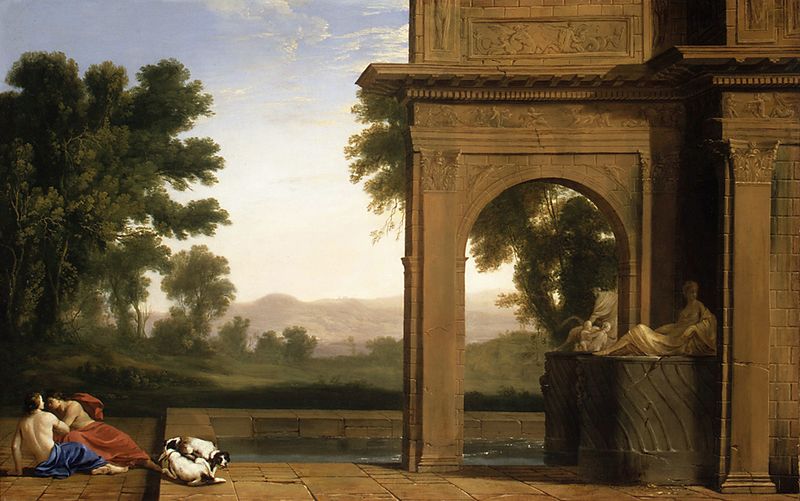
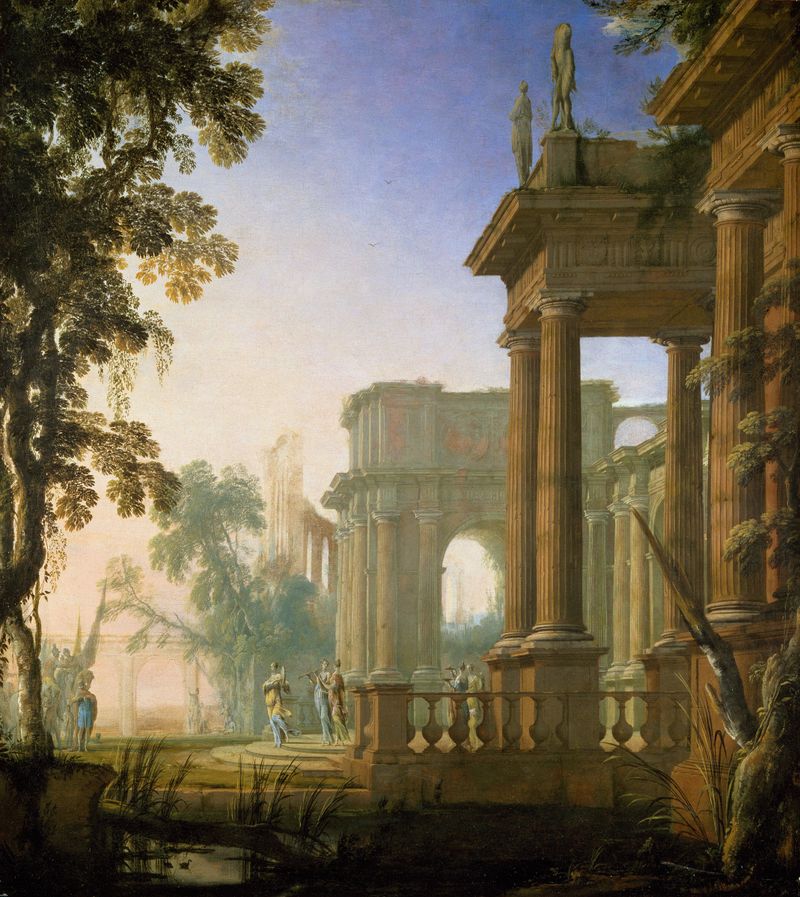
In the stillness of Paysage, nostalgia drapes the canvas like a gossamer veil, whispering secrets of a bygone era that lingers just out of reach. Look to the left at the softly undulating hills, their gentle curves cradling the tranquility of the landscape. The artist employs a delicate palette of greens and ochres, subtly illuminated by a warm, golden light that speaks to the serenity of a quiet afternoon. Notice how the trees stand sentinel, their leaves rustling softly, while the distant horizon beckons with a promise of both beauty and melancholy.
Each brushstroke seems to echo a sigh, inviting viewers to linger in the moment. Delve deeper into the painting, and you'll find the interplay between light and shadow revealing an emotional tension. The vibrant foreground contrasts with the muted background, suggesting layers of time and memory. A solitary figure, almost ghostly in its stillness, evokes the fleeting nature of existence, while the expansive sky above hints at the infinite, reminding us of life’s transience.
This duality invites reflection, urging us to consider what we leave behind as we march forward. Henri Mauperché created Paysage in 1650 during a period rich with artistic exploration in France. While the Baroque style thrived, his work leaned towards a serene realism that captured the essence of the natural world. This was a time when artists increasingly sought to express not just the tangible but also the emotional resonance of their subjects, paving the way for future generations to explore the depths of sentiment through landscape painting.