
Classical Scene — History & Facts
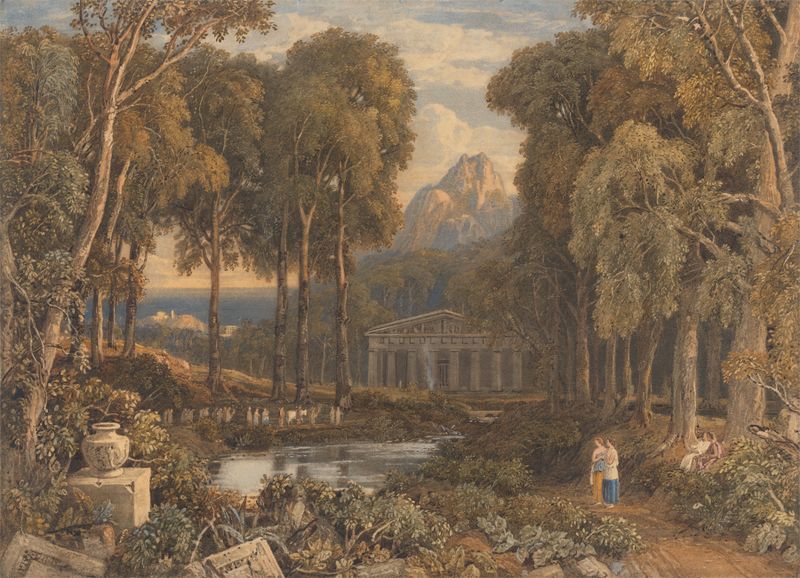
This alchemical transformation through color invites us into a world where emotions dance and collide, revealing the profound power of artistic expression. Focus on the vibrant hues that pulse throughout the composition. Look to the swirling blues and warm ochres that blend effortlessly, creating a harmonious yet dynamic visual rhythm. Notice how the painter's deft brushwork brings a sense of movement, as if the colors themselves are alive, pulsating with energy.
The interplay of light and shadow adds depth, inviting the viewer to explore beyond the surface into a realm of emotional resonance. The use of contrasting colors evokes tension and harmony; the bold reds clash exhilaratingly with the calming greens, symbolizing the push and pull of human experience. Each stroke reveals layers of meaning, suggesting a conversation between chaos and tranquility. This interplay reflects not only the external world but also the internal struggles faced by the artist and viewer alike, making the piece an intimate exploration of the human condition. In a time when Classical Scene was created, Francis Oliver Finch navigated the shifting tides of the late 19th century art scene.
With a growing emphasis on impressionism and color theory, he was part of a movement that sought to capture the essence of life through vibrant palettes. This period marked a significant evolution in the art world, where the boundaries of traditional representation were being pushed, allowing Finch to experiment and innovate in his pursuit of emotional clarity through color.
More Artworks by Francis Oliver Finch
Browse all →
Valley of Rocks, Lynton, North Devon
Francis Oliver Finch

Landscape with Castle, Waterfall and Stream in Foreground
Francis Oliver Finch
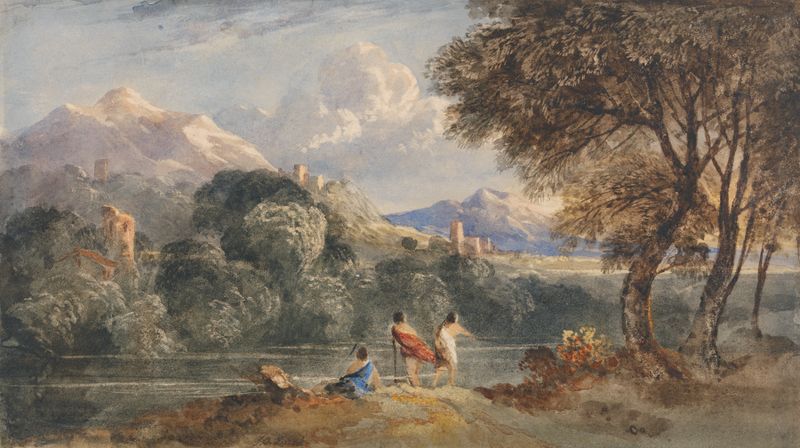
Classical Landscape with Figures
Francis Oliver Finch
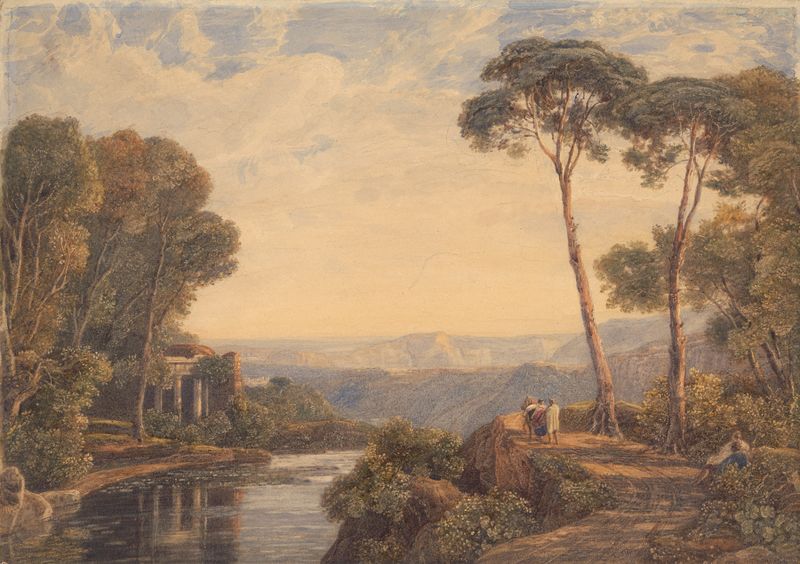
Landscape with a Temple and Figures by a River
Francis Oliver Finch
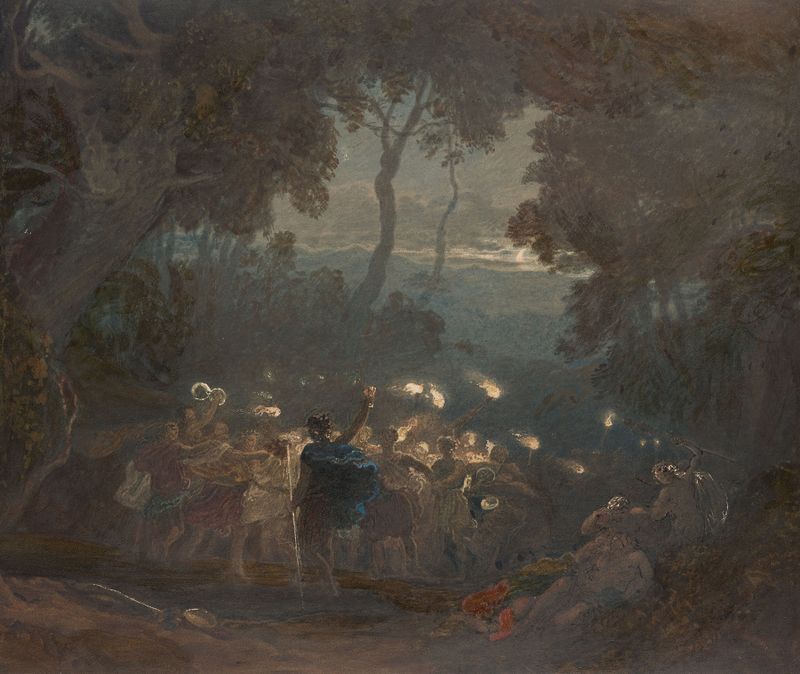
The Dell of Comus
Francis Oliver Finch
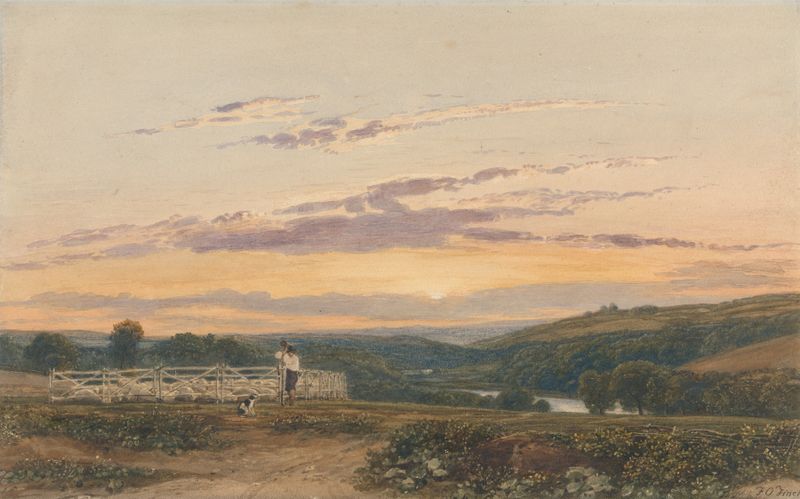
The Shepherd – Evening
Francis Oliver Finch
Religious Ceremony in Ancient Greece
Francis Oliver Finch





