
Clearing After Storm, Taos — History & Facts
Who listens when art speaks of silence? In the tranquil aftermath of a storm, beauty reveals itself, gently asking us to pause and reflect. Look to the horizon where soft morning light breaks through lingering clouds, casting a serene glow over the landscape. The layered mountains stand tall, their muted greens and browns interwoven with the fresh vibrancy of nature revived. The brushstrokes, loose yet deliberate, create a sense of depth and movement, drawing the viewer in as if to walk into this moment suspended in time. Hidden within the calmness are subtle tensions: the contrast between the stormy past and the peaceful present; the delicate balance of colors suggesting rebirth and resilience.
The painting embodies both solitude and tranquility, allowing us to feel the weight of silence that follows chaos. Each element speaks of introspection, inviting contemplation on beauty’s ephemeral nature amid life's unpredictability. In 1913, Joseph Henry Sharp painted this scene while living in Taos, New Mexico, a period of great personal and professional growth for him. During this time, he became increasingly involved with the Taos Society of Artists, embracing the region's unique light and culture.
The blending of Native American influences and the American landscape captured in this work reflects a pivotal moment in the evolution of American art, signaling a departure from traditional European styles.
More Artworks by Joseph Henry Sharp
Browse all →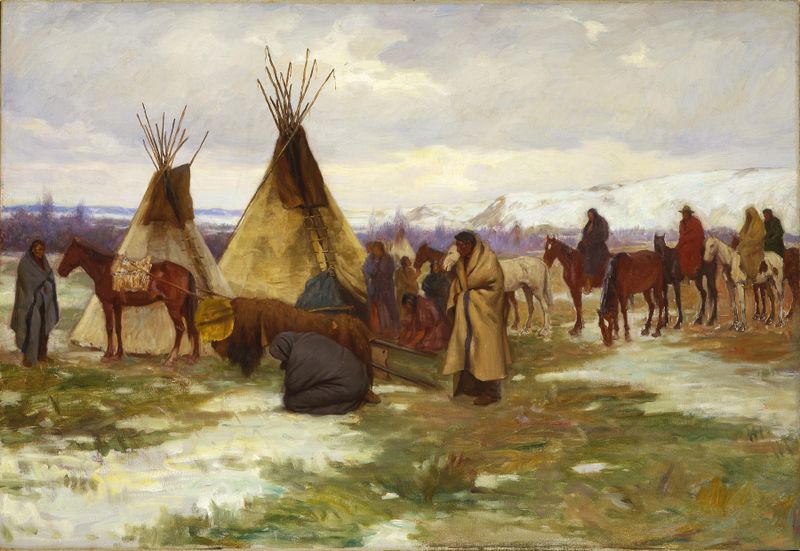
Burial Cortege of a Crow Chief
Joseph Henry Sharp
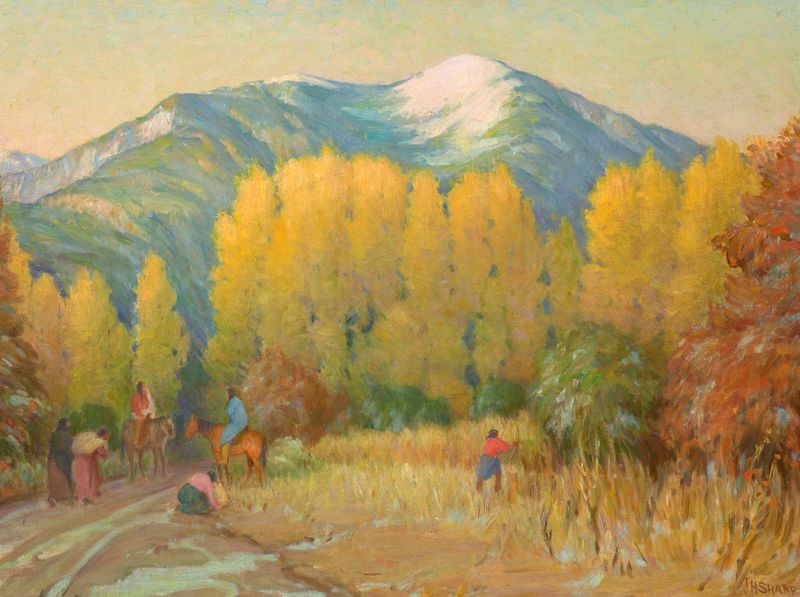
Old Road to the Pueblo of Taos—Afterglow
Joseph Henry Sharp
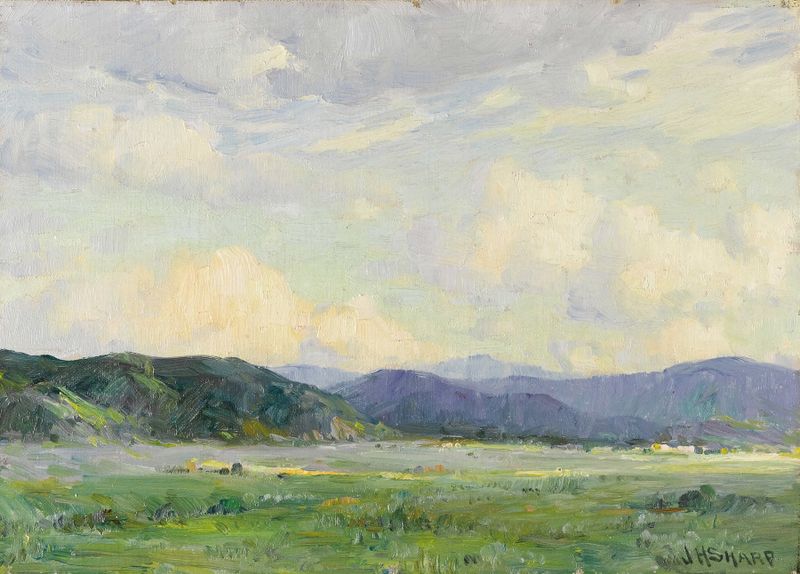
Taos Landscape
Joseph Henry Sharp
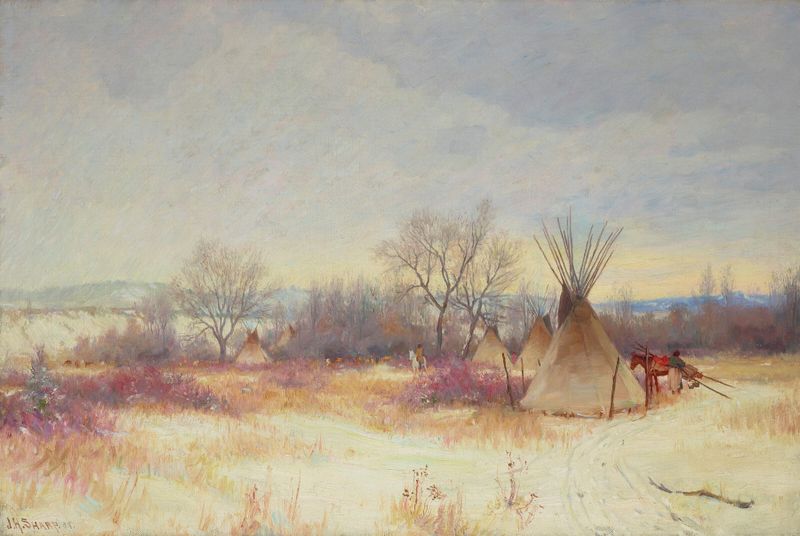
Indian Encampment
Joseph Henry Sharp

The Blue Tepee
Joseph Henry Sharp
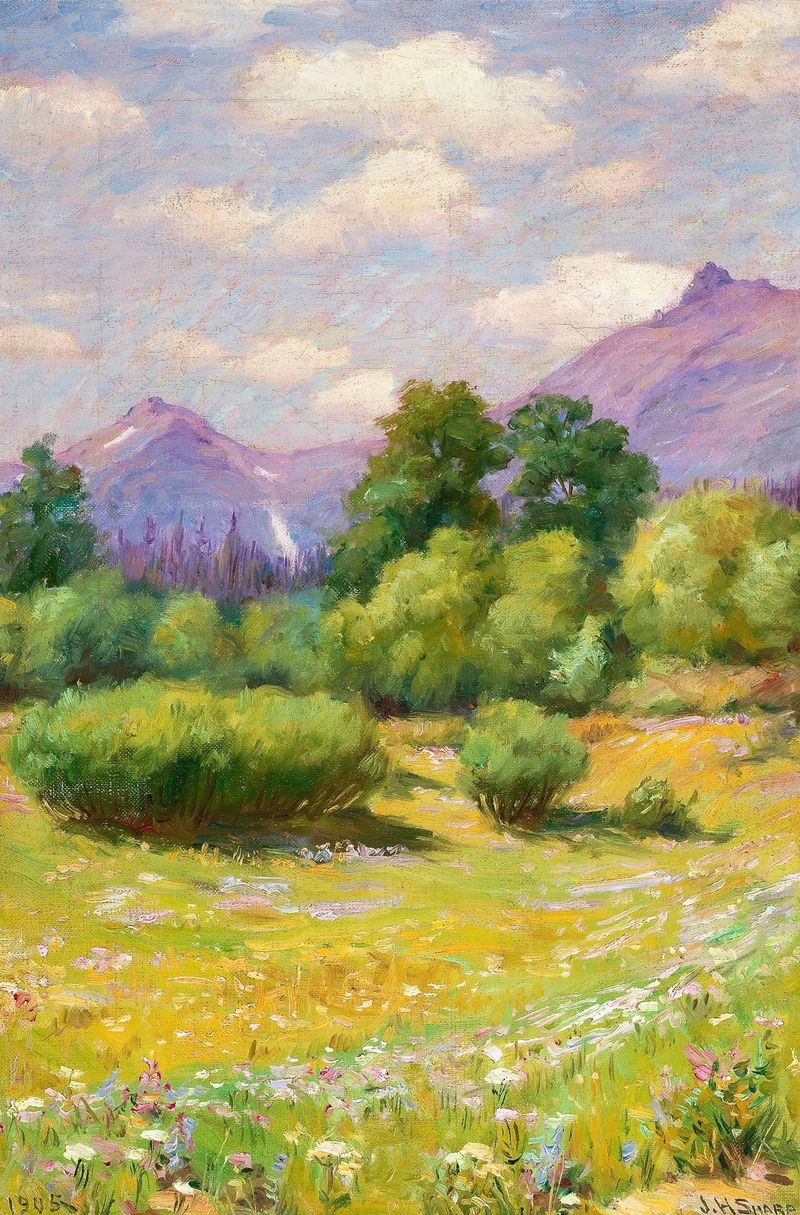
Landscape of Glacier Joseph Henry
Joseph Henry Sharp

Shadows in the Night
Joseph Henry Sharp
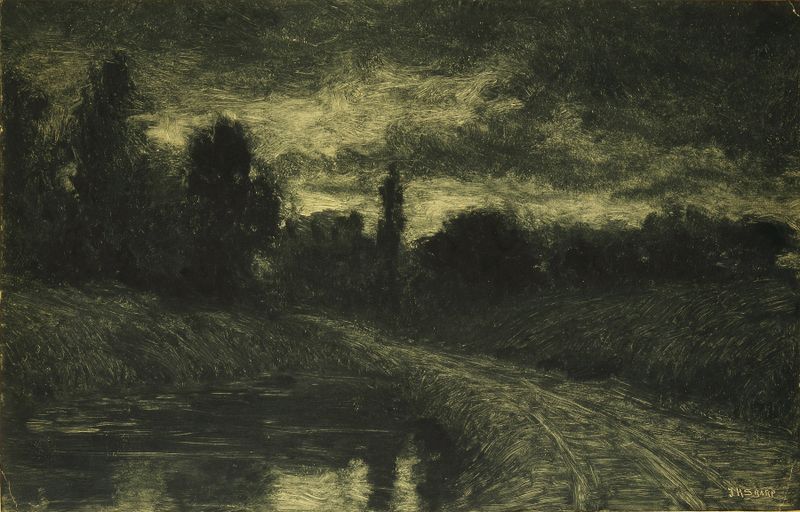
Afterglow
Joseph Henry Sharp

The Summer Camp
Joseph Henry Sharp

Preparing for the Medicine Sweat
Joseph Henry Sharp





