
Indian Encampment — History & Facts
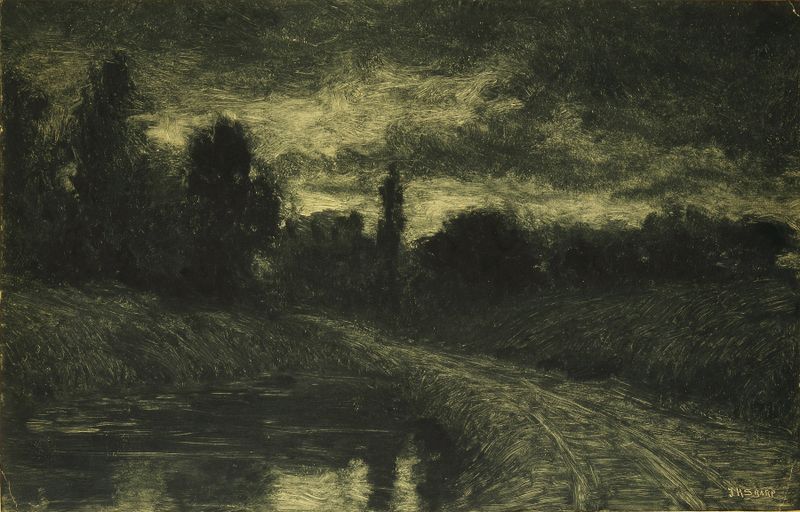
Can beauty exist without sorrow? In Indian Encampment, the answer resonates deeply, revealing the intertwined nature of both elements within its vibrant landscape. Look to the left at the sweeping vista that embraces a tranquil encampment. The sun dips low, casting a golden hue over the canvas, illuminating the tents and figures with a soft radiance. On the right, the contrasting dark silhouettes of pine trees frame the scene, creating a dynamic tension between the warmth of the foreground and the cool shadows behind.
The artist employs rich earth tones and gentle brush strokes, invoking a sense of harmony and nostalgia that captivates the viewer. As you delve deeper, notice the minute details that breathe life into this landscape—a woman in traditional attire, her posture graceful yet burdened, juxtaposed against the carefree laughter of children playing nearby. This dichotomy of joy and restraint reflects the complex realities faced by Indigenous communities during this period. Each element—the swirling clouds, the flickering campfire—whispers stories of resilience, longing, and the enduring beauty found in the struggle. Painted in 1908, during a time when Joseph Henry Sharp was deeply engaged in capturing the lives of Native Americans, this work emerged from his travels in the West.
At this moment in his career, he sought to bridge cultural divides through his art, offering a counter-narrative to the prevailing stereotypes of the era. This piece stands as a witness to both the artist's personal journey and the broader historical context, cementing its place in American art history.
More Artworks by Joseph Henry Sharp
Browse all →
Clearing After Storm, Taos
Joseph Henry Sharp
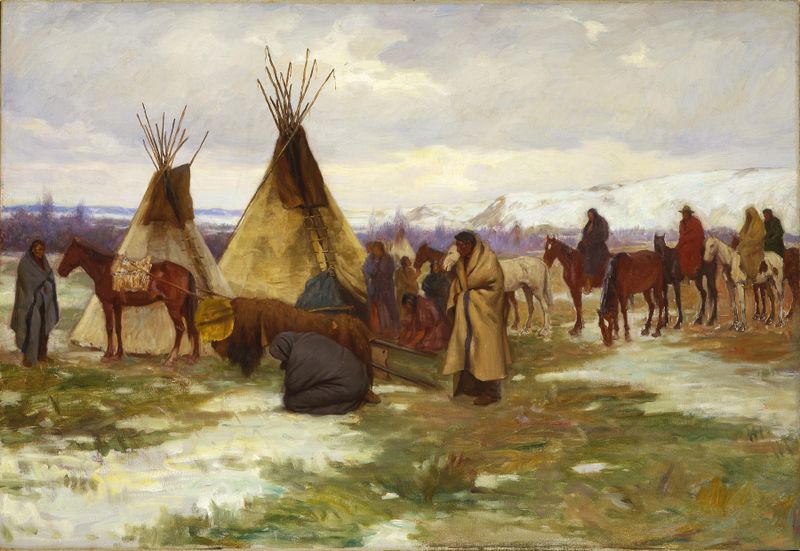
Burial Cortege of a Crow Chief
Joseph Henry Sharp
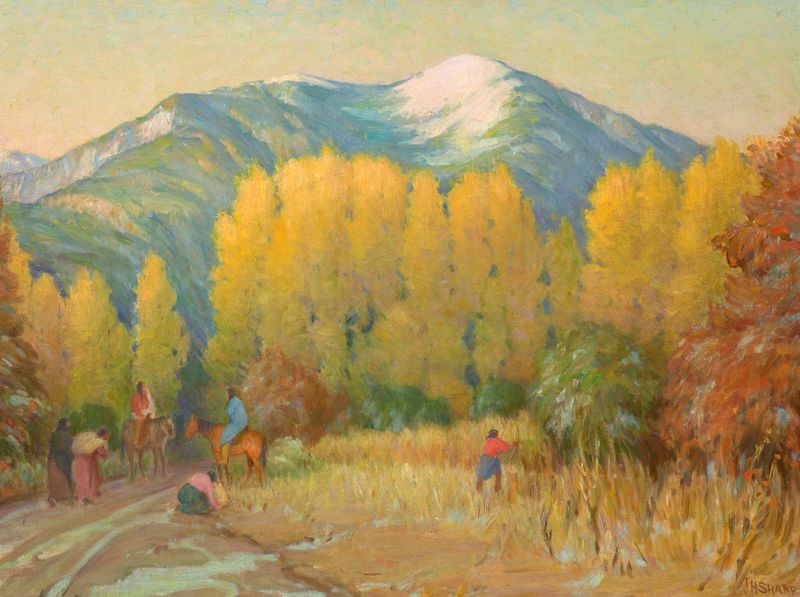
Old Road to the Pueblo of Taos—Afterglow
Joseph Henry Sharp
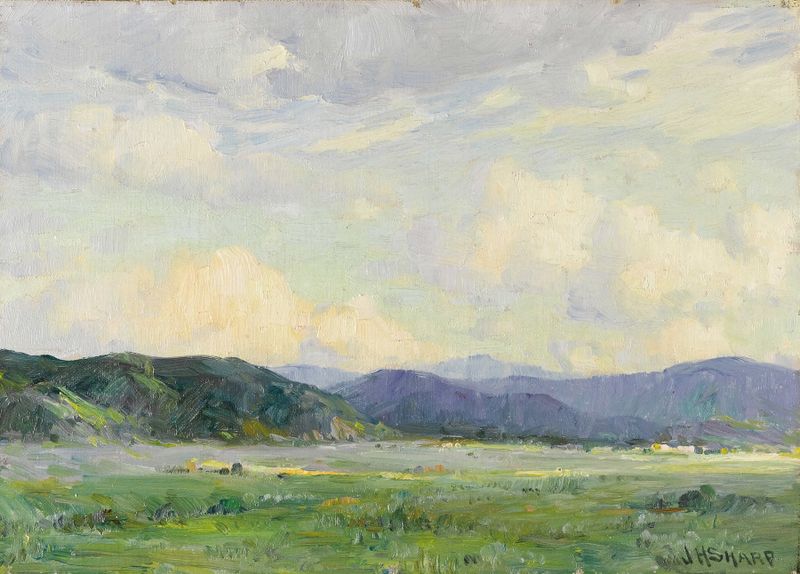
Taos Landscape
Joseph Henry Sharp

The Blue Tepee
Joseph Henry Sharp
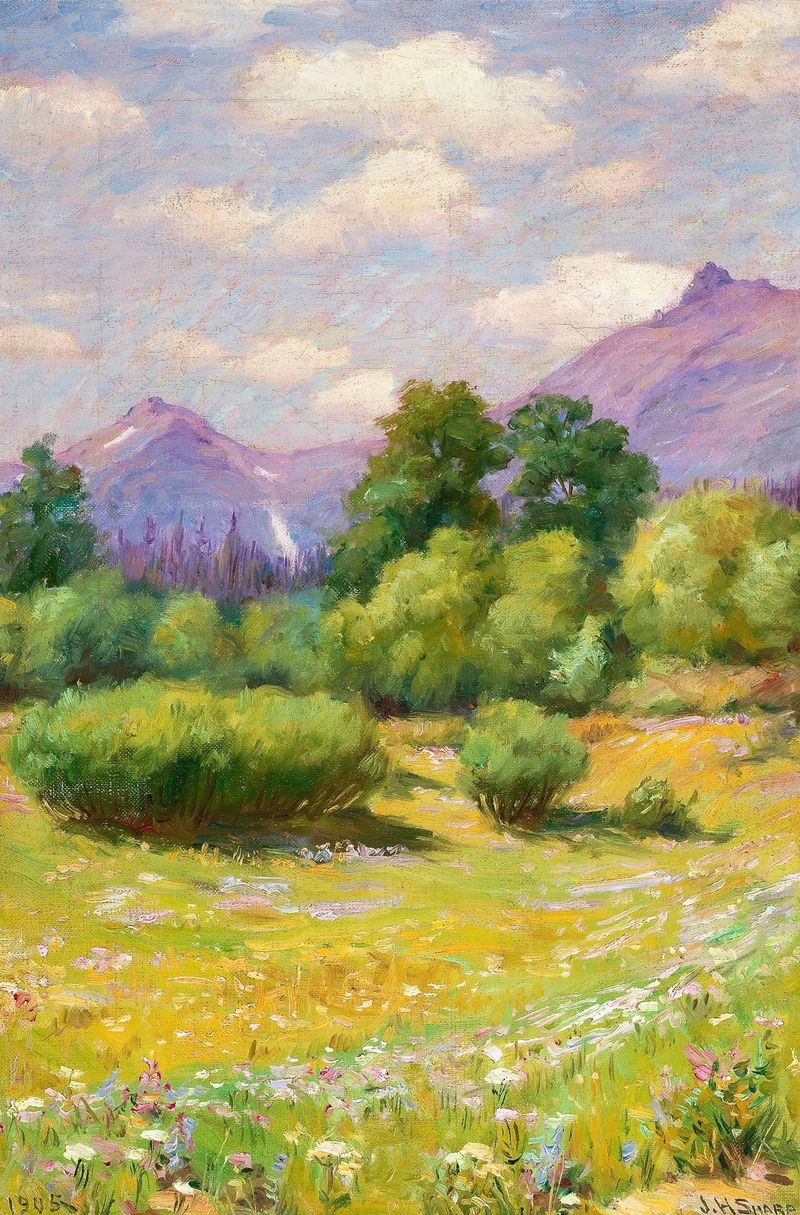
Landscape of Glacier Joseph Henry
Joseph Henry Sharp

Shadows in the Night
Joseph Henry Sharp
Afterglow
Joseph Henry Sharp

The Summer Camp
Joseph Henry Sharp

Preparing for the Medicine Sweat
Joseph Henry Sharp





