Cloud — History & Facts
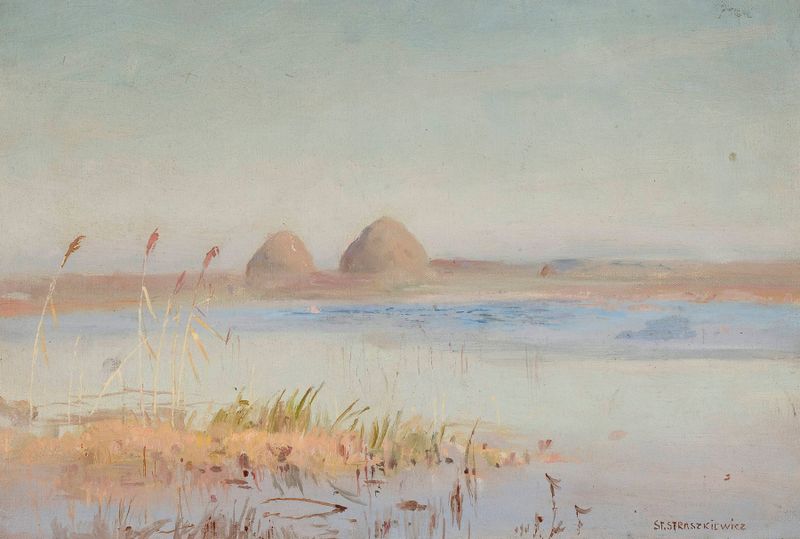
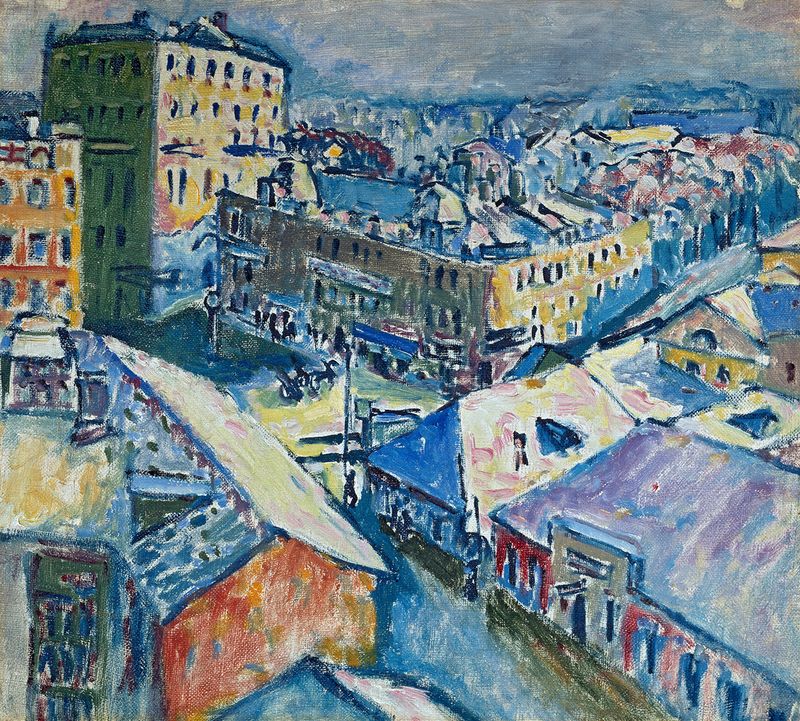
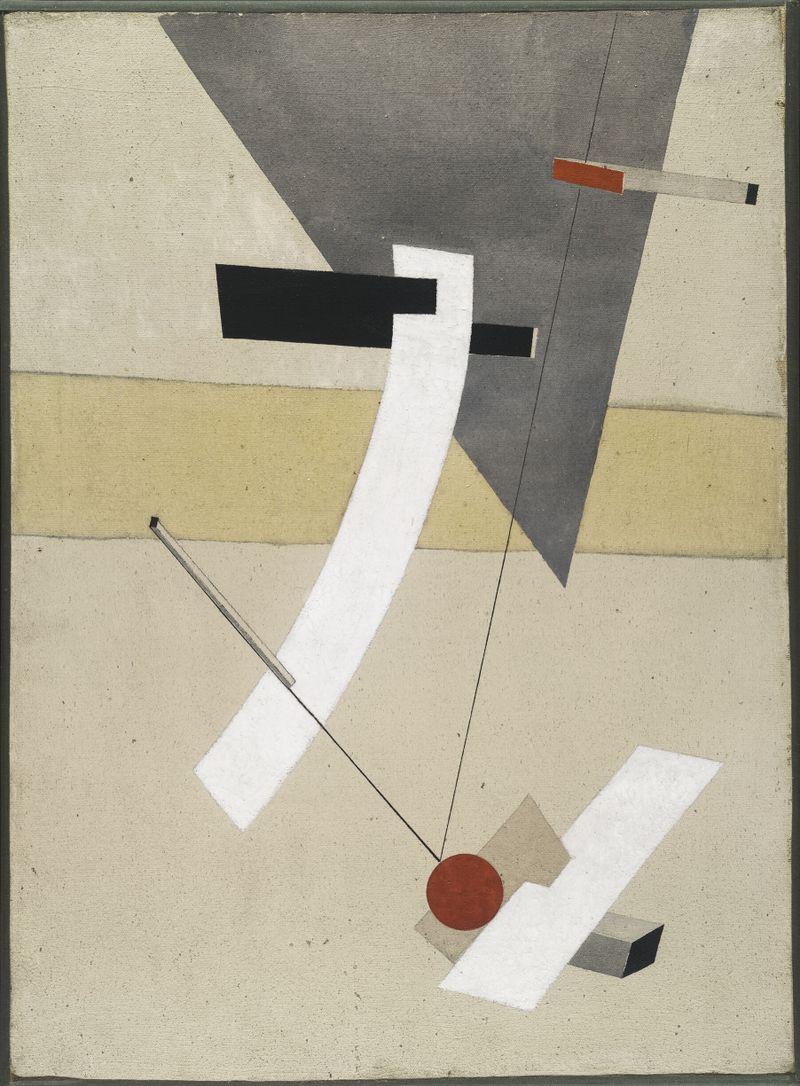
Within the realm of art, beauty becomes a vessel for introspection, revealing truths that words often fail to capture. Look closely at the textured layers of color that swell and ebb across the canvas. The soft blues and whites intermingle, forming a dynamic cloud formation that beckons the viewer's gaze upward. Notice how the brushstrokes vary, creating a sense of depth and movement, as if the clouds are alive and shifting.
There’s a luminosity that evokes the transient nature of beauty, drawing you into the very heart of the scene, suggesting both calmness and the potential for change. Beyond its serene surface, the artwork pulses with underlying tension. The interplay between the light and shadow highlights the contrast between hope and uncertainty; one moment it feels uplifting, the next it hints at an impending storm. The delicate forms invite contemplation of nature's duality—its ability to inspire awe and represent vulnerability.
Such nuances transform a simple depiction of clouds into an exploration of existence itself, where beauty and chaos coexist. Created during a time when the boundaries of artistic expression were expanding, this work reflects Stanisław Straszkiewicz's quest for a new language of emotion. Unbound by strict realism, he embraced abstraction to convey feelings more profound than the visible. The exact date may remain a mystery, but the essence of his exploration resonates in a world increasingly attuned to the subtleties of beauty and the silence it often holds.