Landscape study – Mulleins in front of a cottage — History & Facts
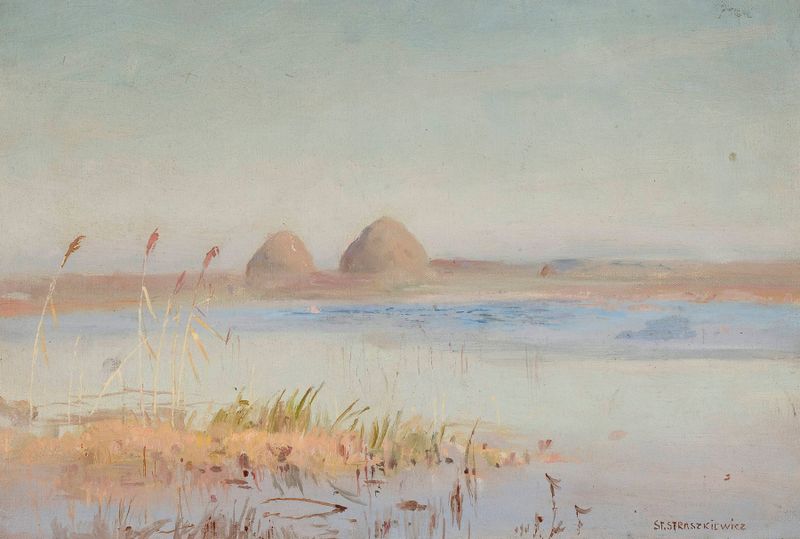
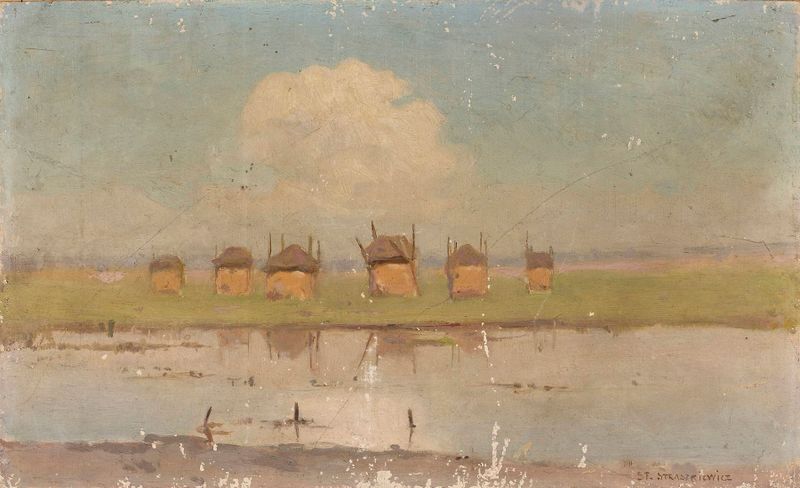
In the quiet embrace of a landscape, the divine emerges through subtle hues and gentle forms. Here, nature and the human touch intertwine, suggesting the sacredness of simple existence. Begin by focusing on the textured brushstrokes that define the lush mullein plants, their tall, yellow blooms stretching upward as if reaching for the heavens. To the left, the modest cottage sits nestled amongst the greenery, its warm tones harmonizing with the earth.
The light falls softly, illuminating the scene and creating a serene atmosphere that invites contemplation. Notice the interplay of shadow and light, as if the setting itself breathes, embodying a sense of tranquility. Within this pastoral setting, emotional tensions flicker beneath the surface. The juxtaposition of the wild mullein against the orderly cottage reflects the struggle between nature's untamed spirit and human endeavors for comfort and order.
The soft colors and delicate details evoke a divine quietness, inviting viewers to meditate on the relationship between the earthly and the ethereal. This balance of tension hints at deeper themes of growth, resilience, and the passage of time — all captured in a moment that feels both fleeting and eternal. Stanisław Straszkiewicz painted this work in 1903, during a period of personal introspection and artistic development. Living in Poland, he was influenced by the natural landscapes surrounding him, as well as the growing movement towards capturing realism within art.
This work emerged amidst a broader trend in Europe embracing Impressionism and the deepening exploration of color and light, foregrounding the spiritual beauty found within the simplicity of nature.