Coastal Scene — History & Facts
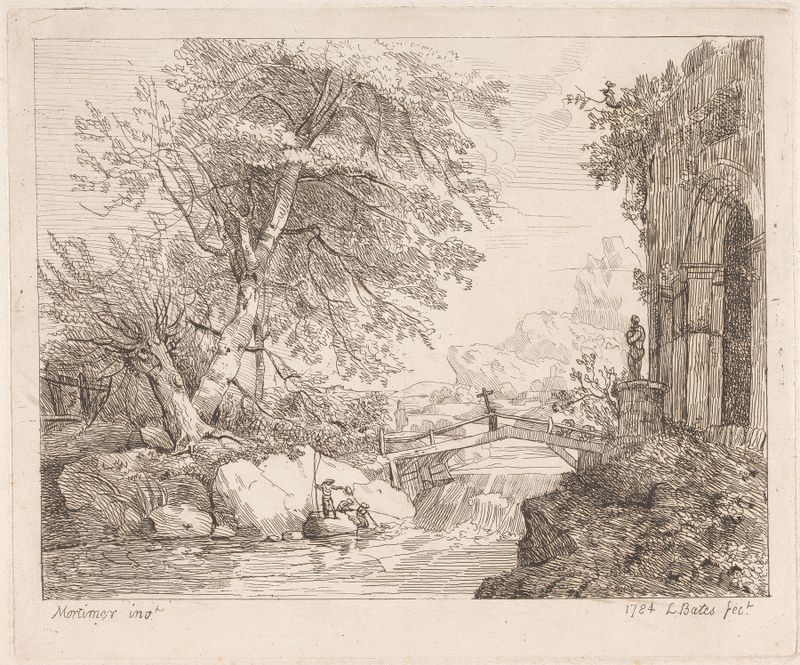
This notion resonates deeply with the infinite depths of awe that nature evokes within us, reminding us of the tumultuous relationship between humanity and the sublime. Look to the center of the canvas, where the sweeping waves crash against the shore, inviting you into a world of dynamic energy. Notice how the light dances on the water's surface, a shimmering interplay of sun-kissed gold and deep sapphire, capturing the essence of the coastal landscape. The composition guides your gaze from the tumultuous sea to the distant horizon, where the sky merges into a soft gradient of twilight hues, hinting at the day's end and the promise of night’s secrets. The interplay of light and shadow in the painting creates a profound emotional tension—beauty stands in stark contrast to the raw power of nature.
The gentle strokes softening the edges of the waves denote an ephemeral moment, evoking a sense of fragility amidst the chaotic beauty of the scene. Each element, from the tumult of the crashing waves to the serene sky, encapsulates the duality of awe and fear that the natural world inspires. During the late 18th century, John Hamilton Mortimer created this work amid a burgeoning interest in Romanticism, which sought to explore emotions and human experiences through nature. Living in England, he was influenced by the picturesque landscapes and the emerging appreciation for the sublime.
In a time marked by a growing awareness of both the beauty and brutality of nature, his art reflected a complex relationship with the world around him, capturing the awe-inspiring and often intimidating aspects of coastal scenery.