
Collioure — History & Facts
No record survives of when or why Hermann Lismann painted Collioure, but the work’s enduring fascination lies in its connection to the small French fishing village that, in the early 20th century, became a crucible for the Fauvist movement. Collioure’s vivid Mediterranean light and bright, sun-washed houses lured artists like Henri Matisse and André Derain in 1905, and the town’s name became shorthand for a revolution in color and brushwork. Lismann, a German painter who settled in France, joined this artistic migration, and his vision of Collioure stands as a testament to the enduring pull of this coastal landscape for painters searching for new ways to see. In Collioure, Lismann captures the town not as a postcard-perfect scene, but as a living mosaic of color and form.
The eye is drawn first to the angular rooftops and the play of sunlight on stucco walls, rendered in broad, confident strokes. Boats bob in the harbor, their hulls and sails simplified into blocks of color, while the distant hills shimmer in a haze of blue and green. Unlike Matisse’s riotous palette in View of Collioure, Lismann’s colors are more restrained, yet the composition pulses with energy, suggesting the bustle of daily life and the ever-changing light that made Collioure famous among painters.
The absence of figures invites viewers to imagine themselves wandering the quayside, immersed in the town’s rhythms. The history of Collioure as an object is shrouded in some uncertainty. Its date and original patron remain unknown, and it has passed largely under the radar of major exhibitions and catalogues, unlike the celebrated works of Lismann’s contemporaries. What is clear is that the painting reflects Lismann’s engagement with the Fauvist circle, even as he maintained a distinct, quieter voice within it.
Today, Collioure survives as a rare glimpse into both the artist’s personal journey and the broader story of Collioure as a wellspring for modern art, its current home in an online collection making it newly accessible to audiences far from the Mediterranean.
More Artworks by Hermann Lismann

Reclined woman
Hermann Lismann
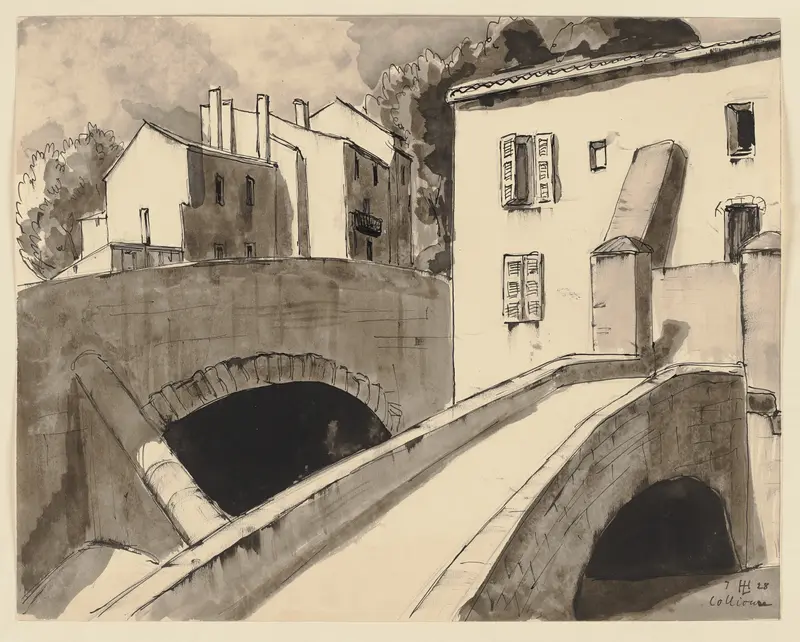
Collioure
Hermann Lismann
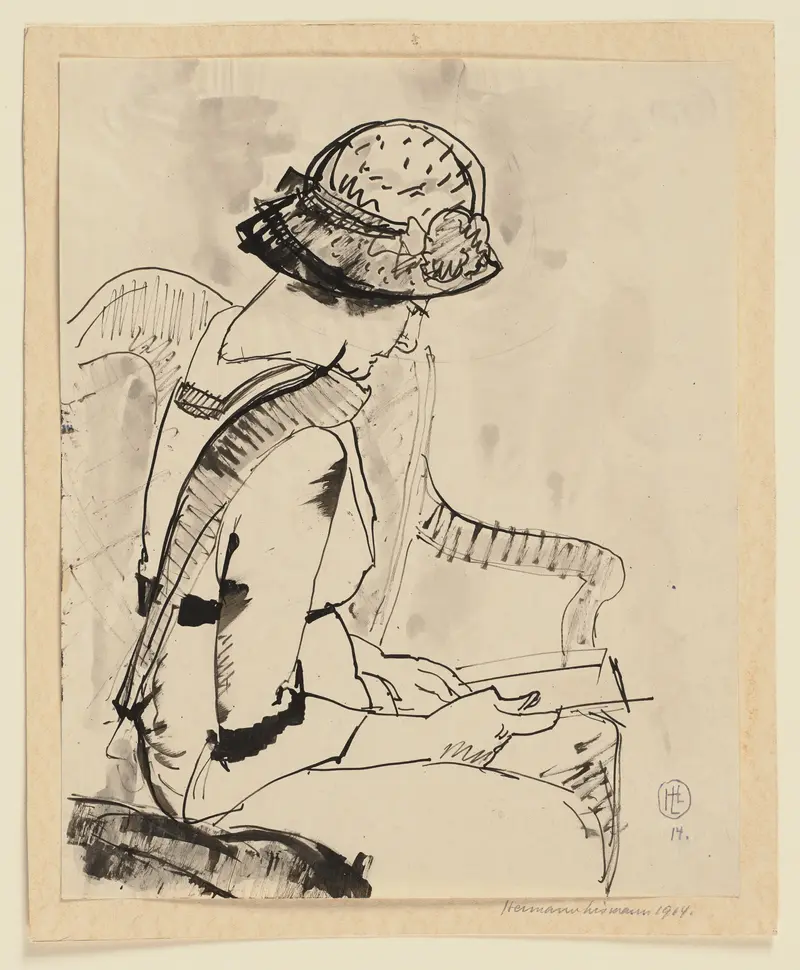
Lesende Frau im Profil nach rechts
Hermann Lismann
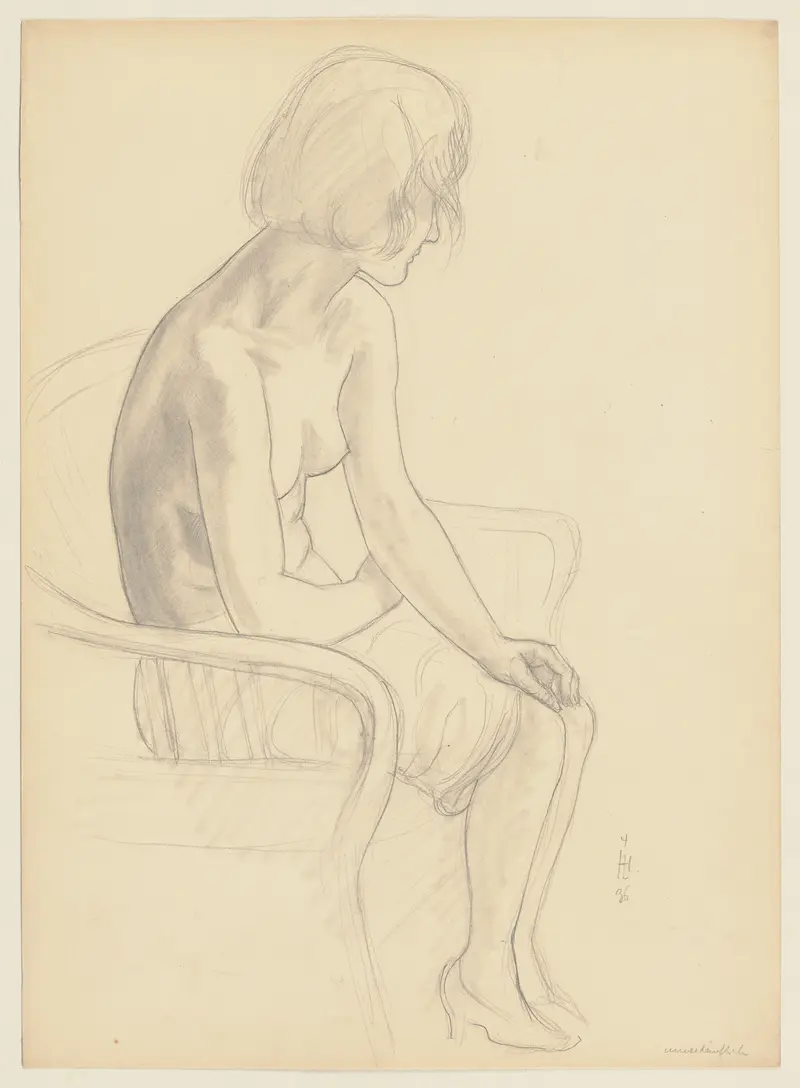
Sitzender Frauenakt auf einem Stuhl
Hermann Lismann
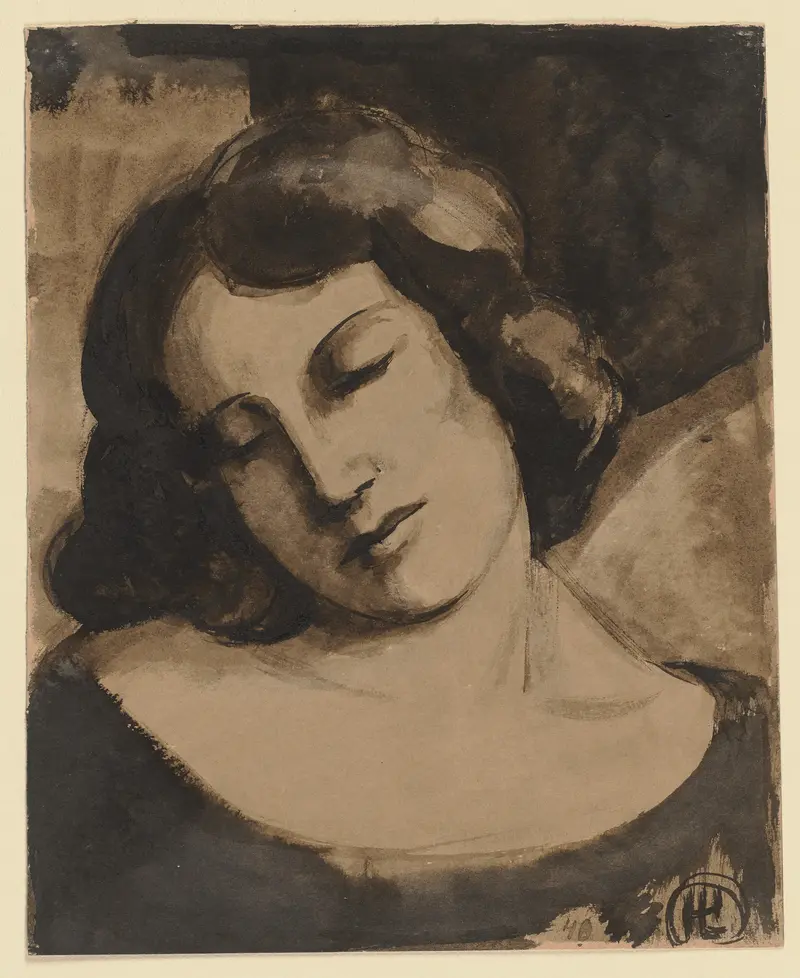
Frauenkopf mit geschlossenen Augen
Hermann Lismann
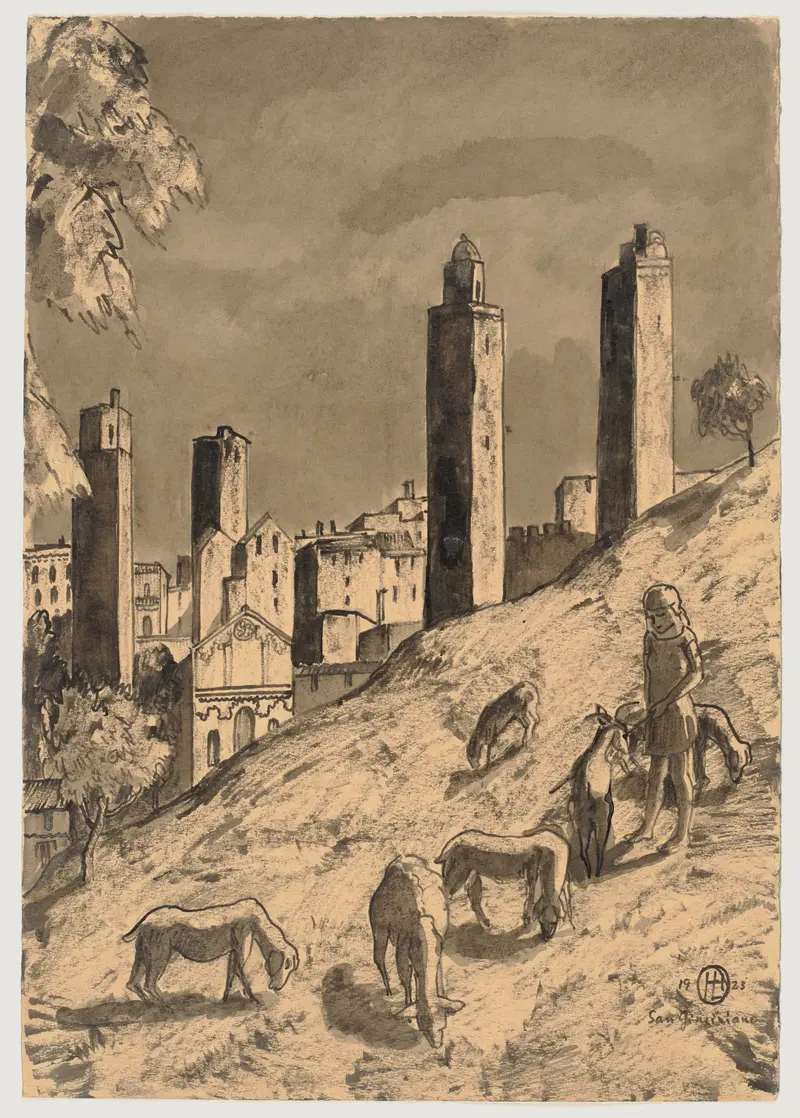
San Gimignano
Hermann Lismann
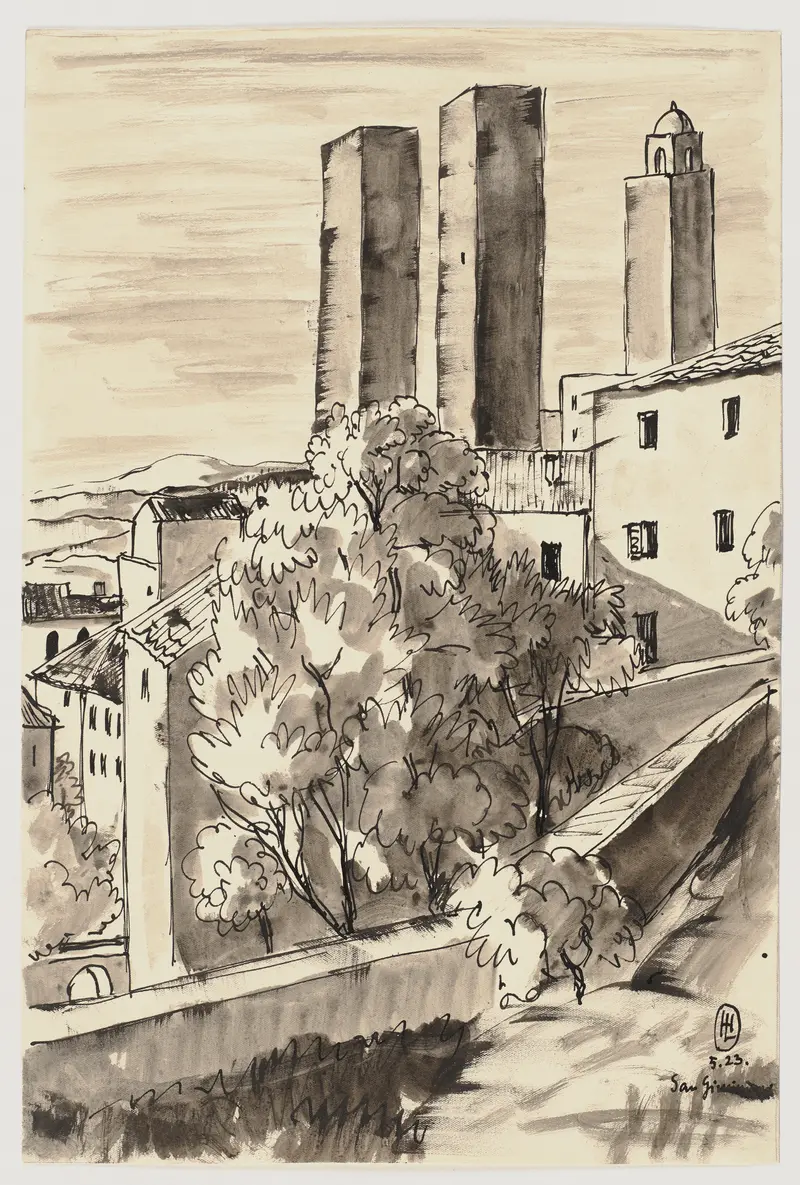
San Gimignano
Hermann Lismann
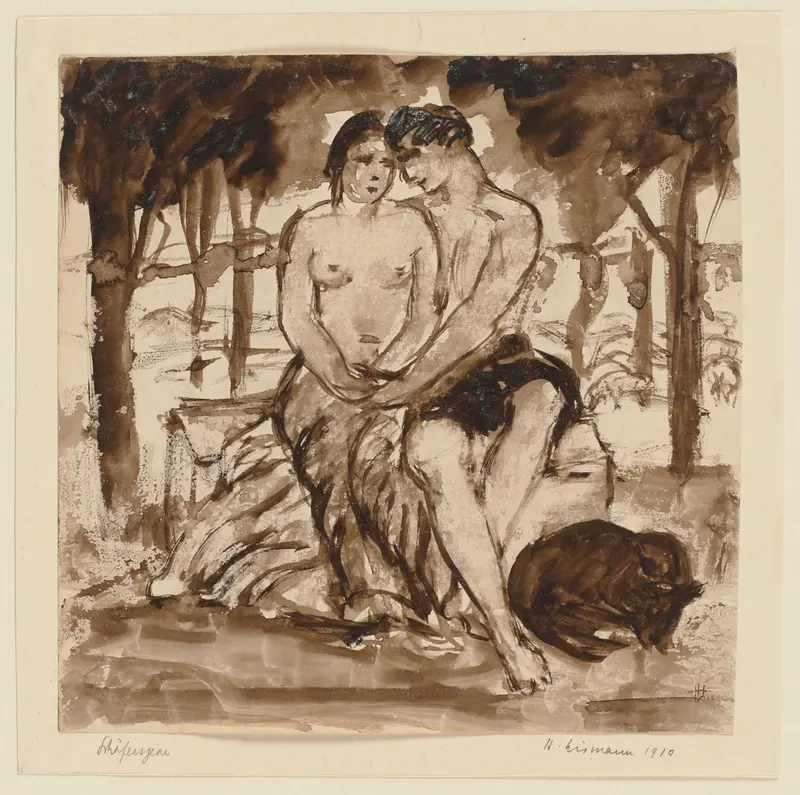
Schäferszene; Paar mit nacktem Oberkörper unter Bäumen sitzend, neben ihnen ein Hund
Hermann Lismann
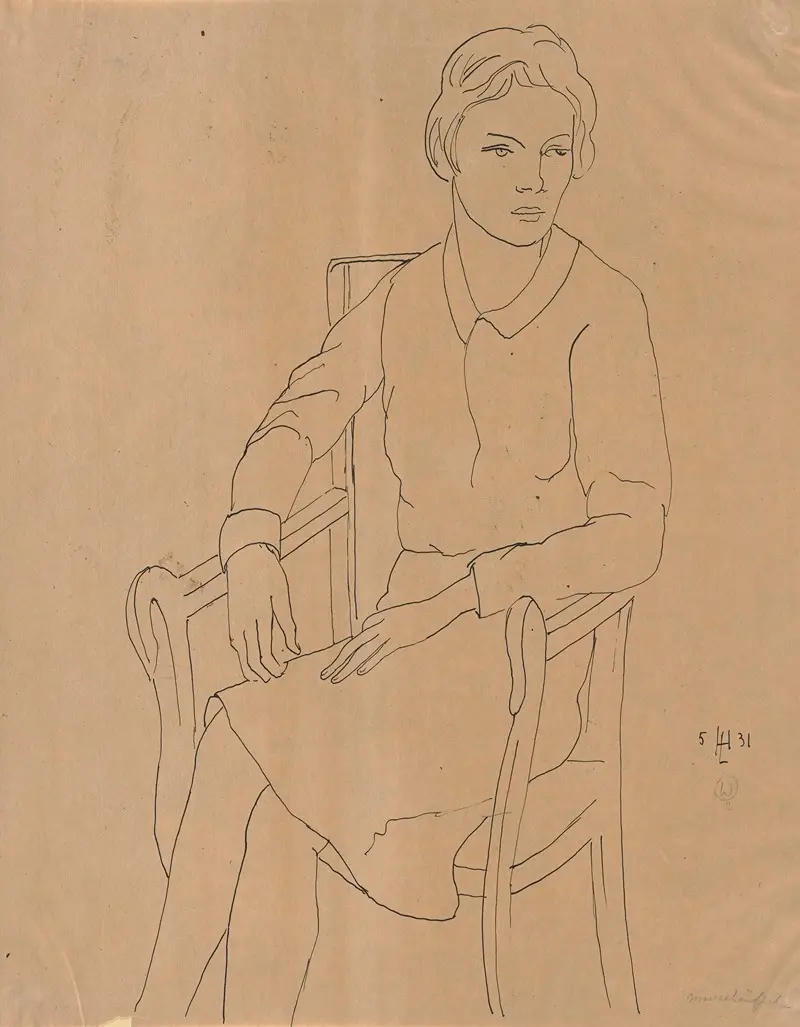
Sitzende Frau auf einem Stuhl
Hermann Lismann
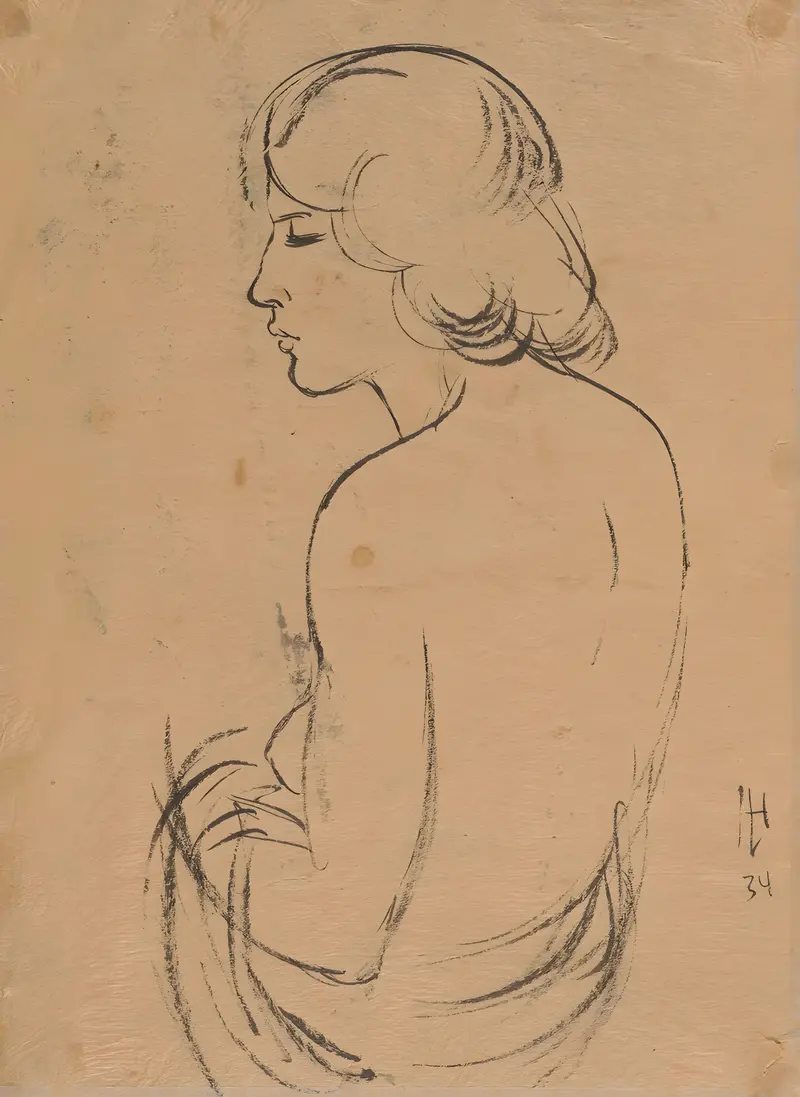
Frauenakt im Profil nach links
Hermann Lismann
More Landscape Art

The Starry Night
Vincent van Gogh

View of Delft
Johannes Vermeer

Water Lilies
Claude Monet

The Grand Canal, Venice, looking north-west from the Ca' Corner to the Ca' Contarini degli Scrigni, with the campanile of Santa Maria della Carità
Canaletto

Windsor Castle
Canaletto

The Grand Canal looking North-East from the Palazzo Dolfin-Manin to the Rialto Bridge
Canaletto