
Colombo and Cabral — History & Facts
Did the painter know this moment would outlive them? Colombo and Cabral encapsulates an intersection of history and artistry that beckons us to consider the tides of time and rebirth. Focus first on the strong, rhythmic lines of the ships, their forms emerging from the canvas with bold confidence. The artist employs a palette dominated by rich blues and deep earth tones, suggesting both the weight of the ocean and the solidity of the vessels. Look closely at the delicate way light interacts with the ship's hulls, glimmering like a promise of exploration and conquest, while the sky looms above, both nurturing and threatening with its evolving shades. The juxtaposition of the ships in the foreground against the hazy horizon evokes a sense of transition—the calm waters cradling the weight of ambition and the unknown.
Each vessel, poised to embark on a new journey, symbolizes the relentless pursuit of discovery, while the muted backdrop hints at the often-overlooked consequences of exploration. The painting invites reflection on the weight of history, urging viewers to ponder the legacies left behind by those who dared to navigate uncharted waters. During the late 19th century, Dutton created Colombo and Cabral amidst a cultural milieu that celebrated both imperial ambitions and the awakening of new national identities. Working in Brazil, he captured a significant moment for the Imperial Brazilian Navy, which was navigating its own path of modernization and self-definition.
This period was marked by a transformation in artistic expression, where realism began to intertwine with a burgeoning sense of romanticism, reflecting the complexities of an evolving world.
More Artworks by Thomas Goldsworth Dutton
Browse all →
More Historical Art
Browse all →
The Night Watch Militia Company of District II under the Command of Captain Frans Banninck Cocq
Rembrandt van Rijn
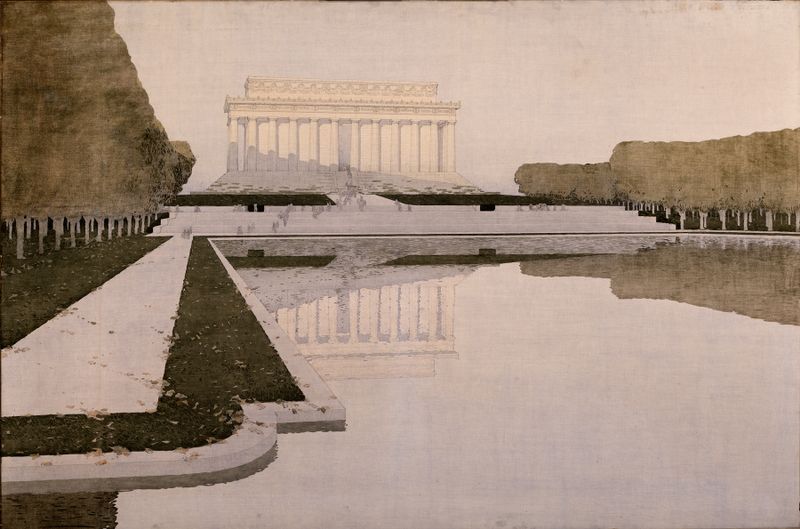
Lincoln Memorial
Henry Bacon
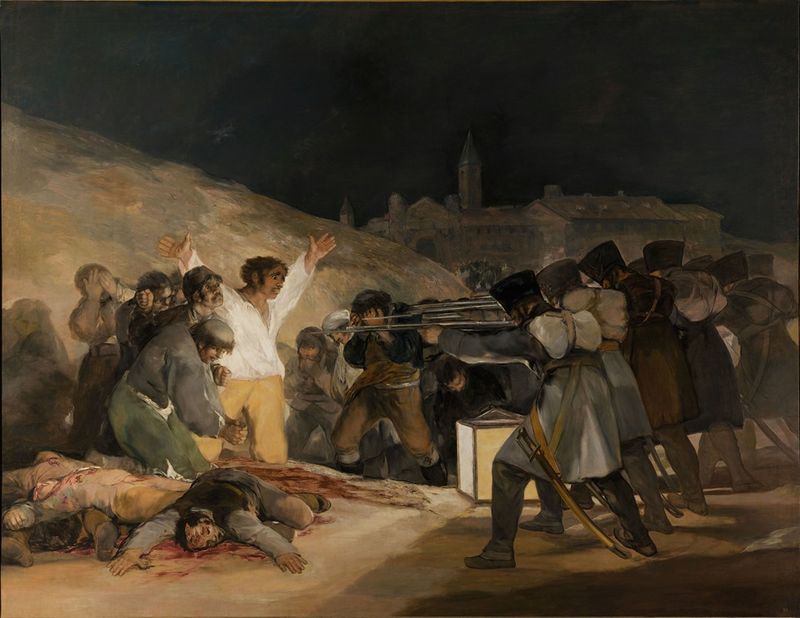
The Third of May 1808
Francisco de Goya

Isaac and Rebecca, Known as ‘The Jewish Bride’
Rembrandt van Rijn
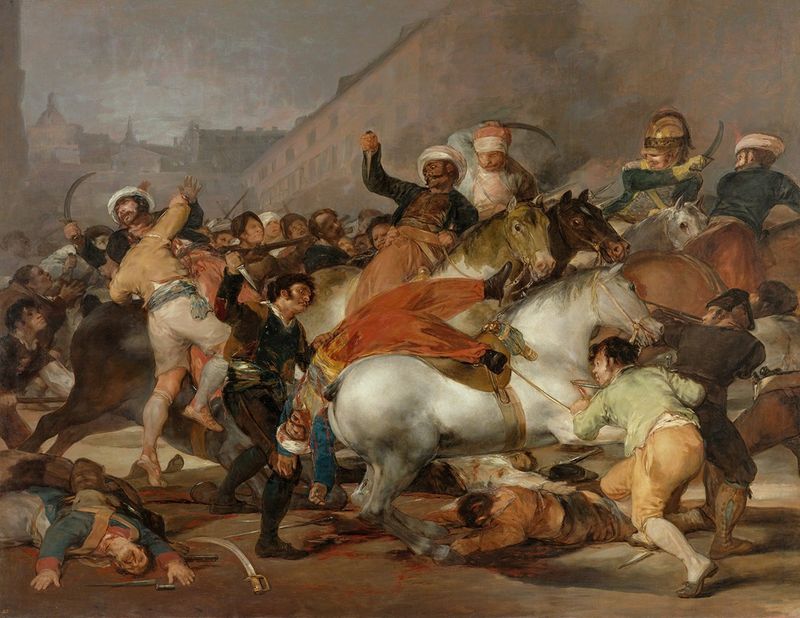
The Charge of the Mamelukes (1814)
Francisco de Goya

De vier ruiters van de apocalyps
Albrecht Dürer