
Colonnade du Luxembourg — History & Facts
Where does light end, and longing begin? In the stillness of a moment, the boundary between illumination and absence blurs, revealing the soul's hidden yearnings. Focus on the inviting hint of sunlight streaming through the colonnade, casting delicate shadows on the cobblestones below. Notice the rich palette of blues and warm ochres that Vallotton skillfully employs, emphasizing depth and architectural grandeur. The columns rise majestically, their muted tones echoing a profound stillness, inviting viewers to both admire and ponder the space in between—where solitude lingers. The emptiness in Colonnade du Luxembourg speaks volumes, encapsulating a sense of longing that resonates beyond the physical space.
Each column stands like a sentinel, simultaneously supporting and isolating the viewer, while the play of light suggests an impermanence that is deeply felt. It’s a quiet reflection on the passage of time—the colonnade both a refuge and a reminder of what is fleeting, invoking a meditative state in those who pause to contemplate its meaning. In 1893, Vallotton painted this piece in Paris during a time when he was becoming increasingly recognized within the Nabis movement. His exploration of color and form diverged from traditional Impressionism, marking a distinctive turn in his artistic journey.
The city buzzed with artistic innovation, and Vallotton, amidst this vibrant scene, sought to capture the essence of modern life—a pursuit that encapsulates both the physical and emotional landscapes of his time.
More Artworks by Félix Vallotton
Browse all →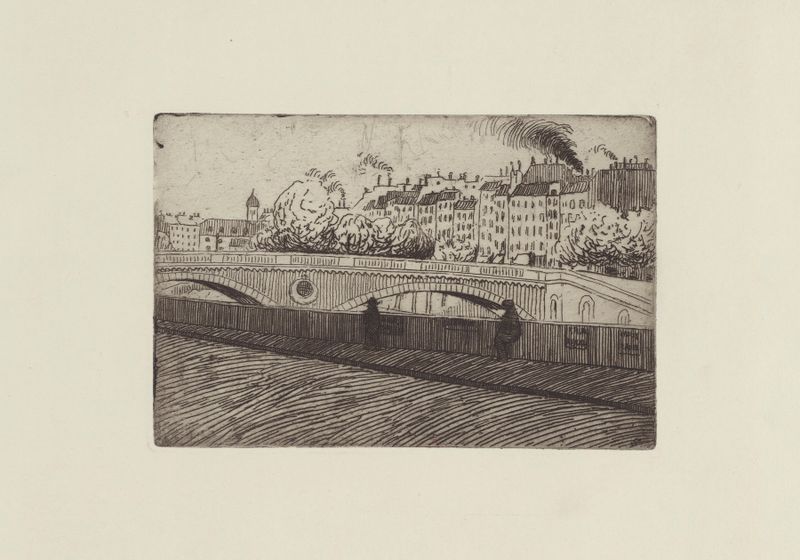
Le pont St Michel
Félix Vallotton
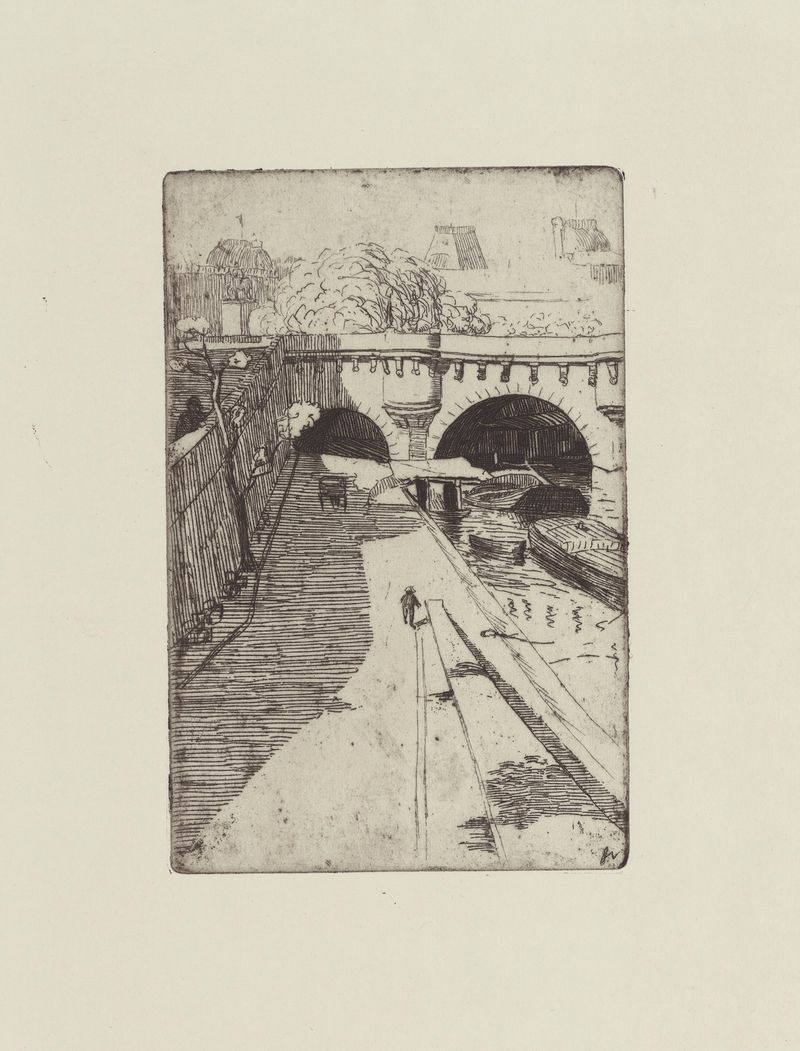
Le Vert-Galant
Félix Vallotton
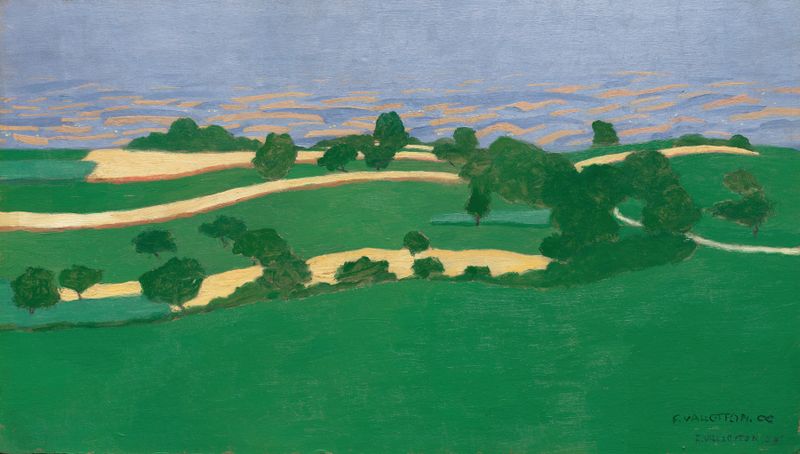
Corn Fields
Félix Vallotton
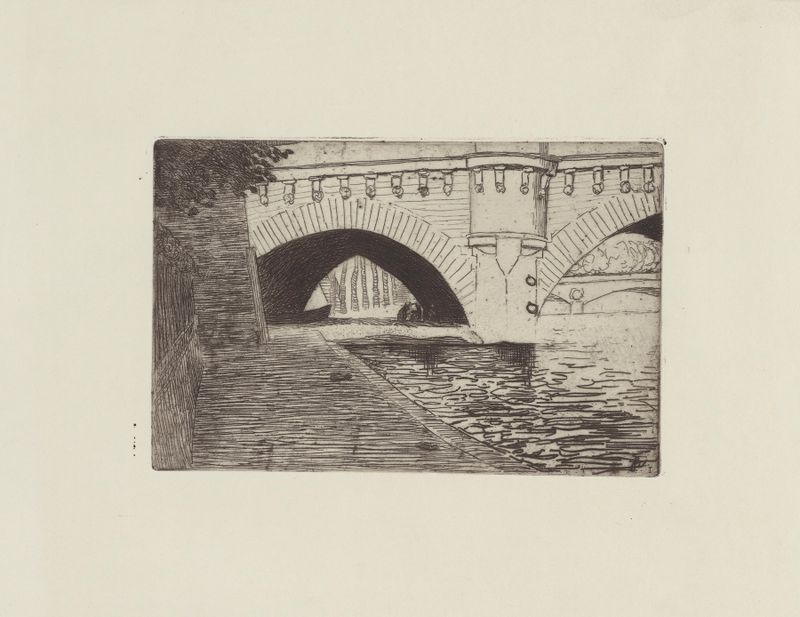
Le Pont-Neuf et le pont St Michel
Félix Vallotton
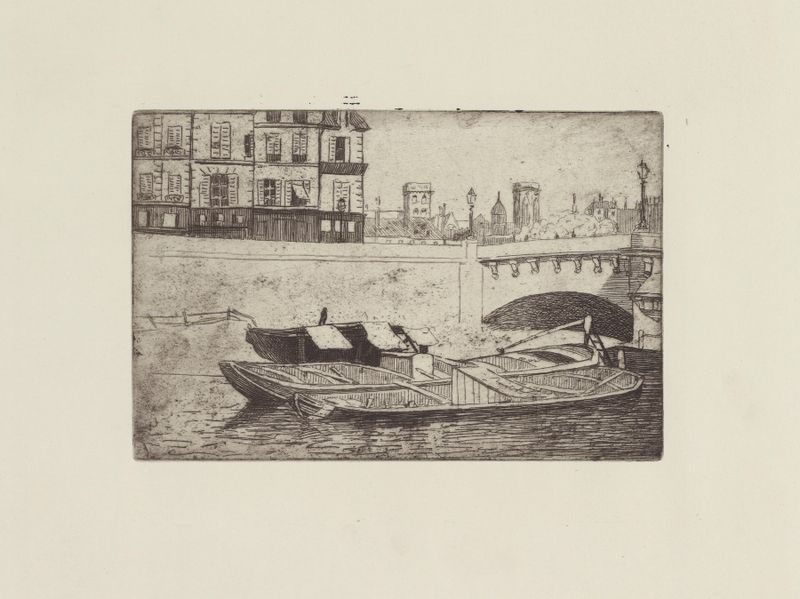
Péniches au Pont-Neuf
Félix Vallotton
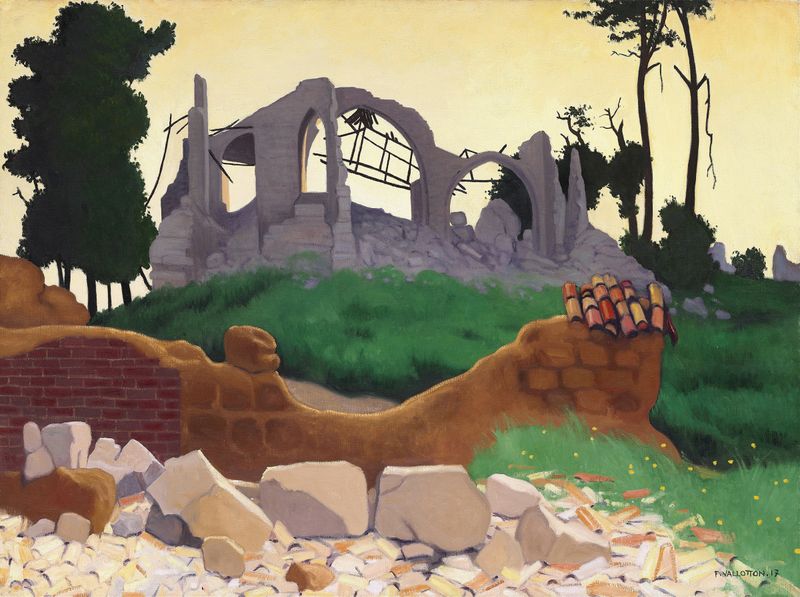
The Church of Souain
Félix Vallotton
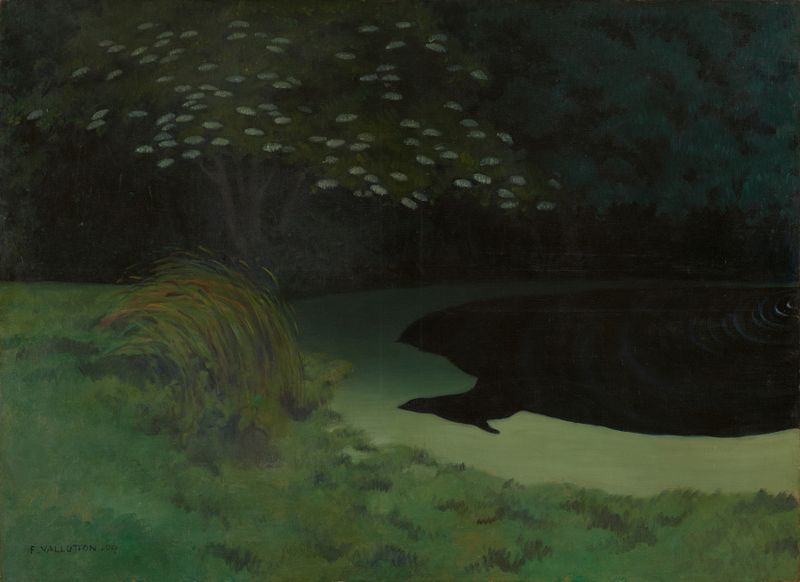
The Pond (Honfleur)
Félix Vallotton
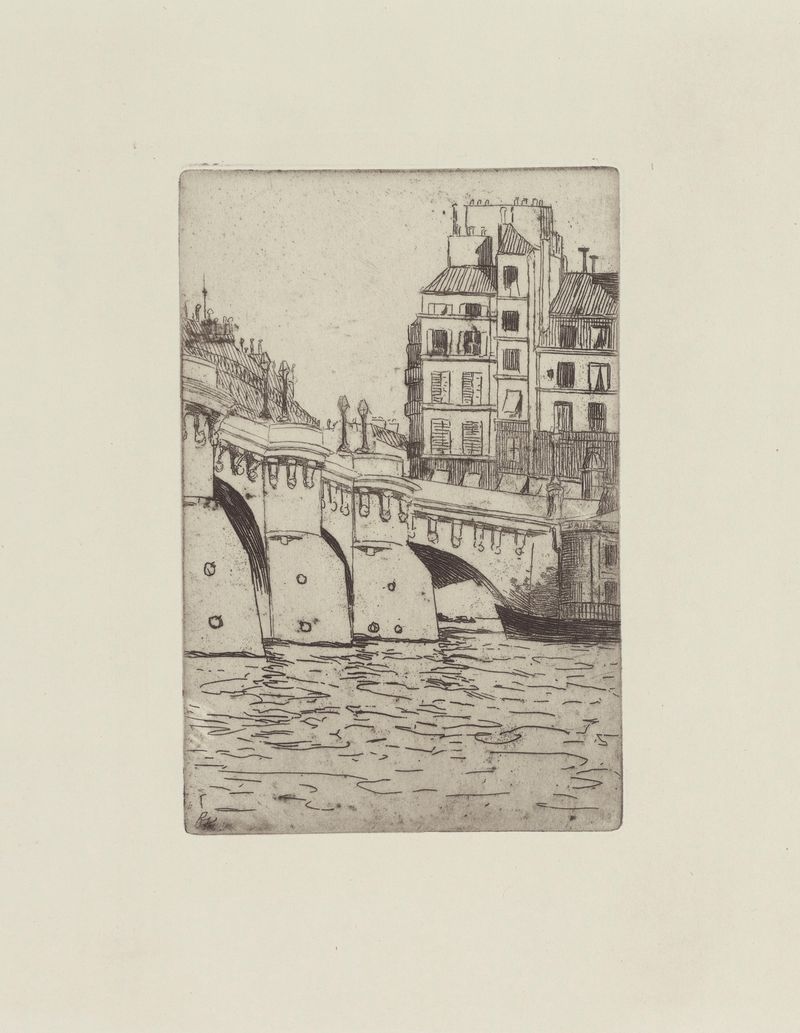
Les bains du Pont-Neuf
Félix Vallotton
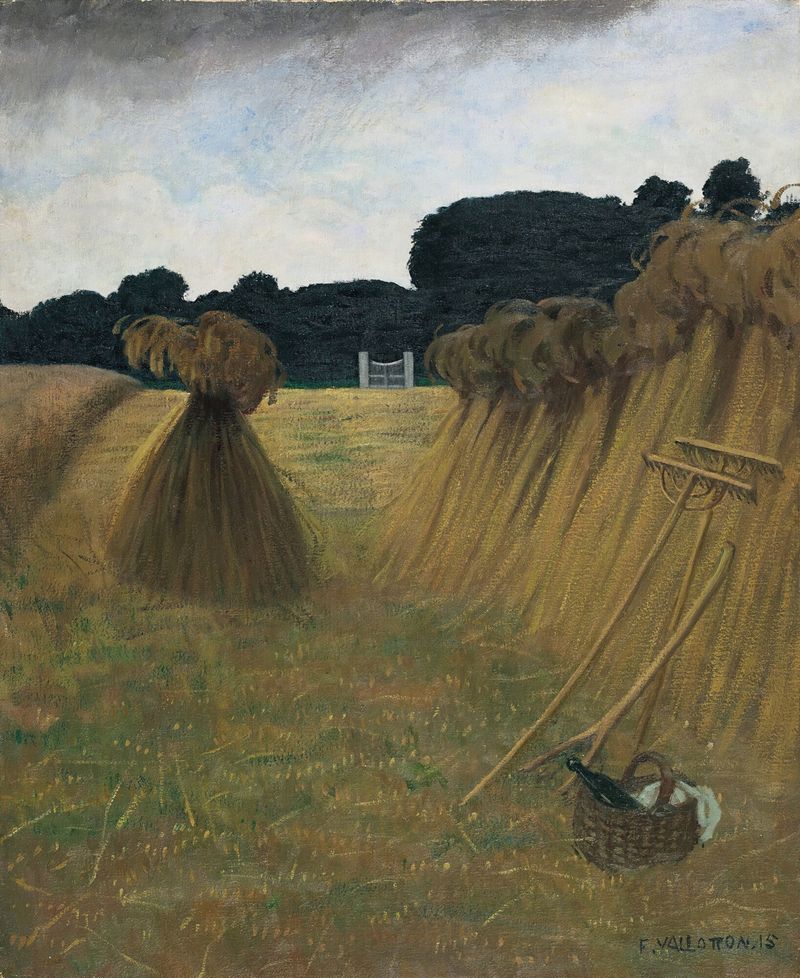
The Sheaves
Félix Vallotton
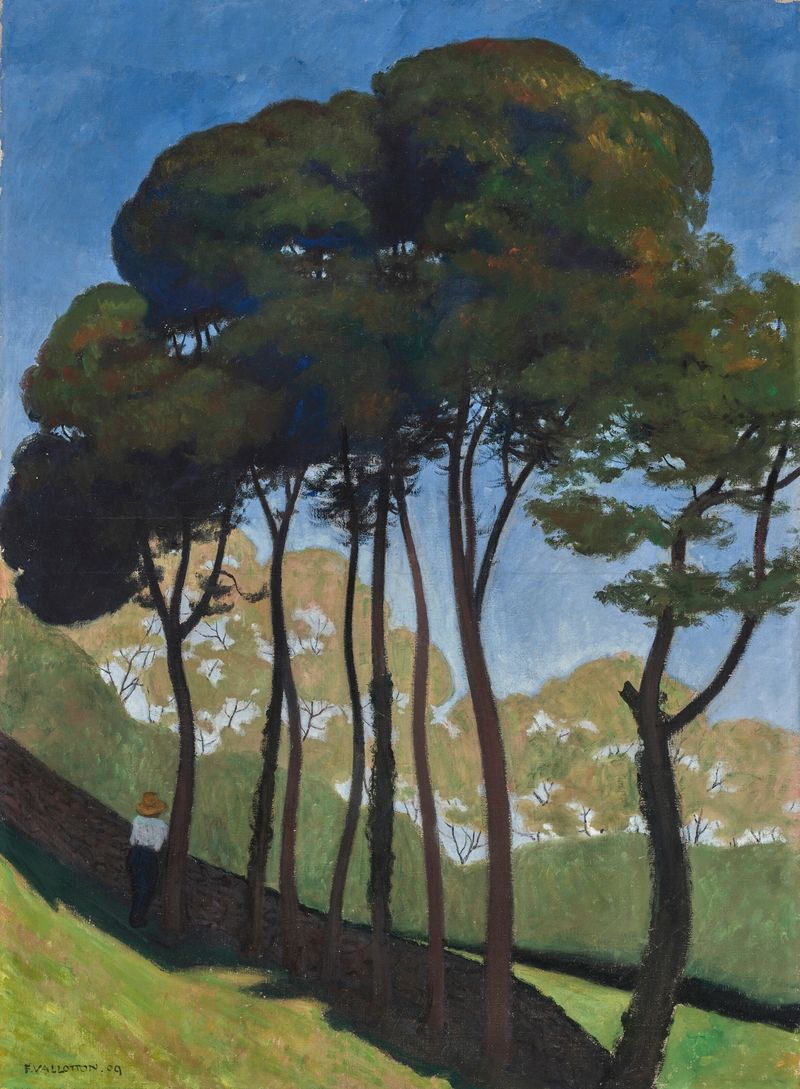
Les Grands Arbres, environs d’Honfleur
Félix Vallotton
More Architecture Art
Browse all →
The statue of Liberty
Frédéric Auguste Bartholdi

View of Houses in Delft, Known as ‘The Little Street’
Johannes Vermeer

View of Houses in Delft, Known as ‘The Little Street’
Johannes Vermeer

The Cathedral in Rouen. The portal, Grey Weather
Claude Monet

The yellow house
Vincent van Gogh

The Church in Auvers-sur-Oise, View from the Chevet
Vincent van Gogh