
The Church of Souain — History & Facts
Did the painter know this moment would outlive them? Captured in stillness, The Church of Souain unfolds a narrative that resonates beyond its canvas, whispering of destiny and the passage of time. Focus on the bold, geometric shapes of the church, standing resolute against the backdrop of a muted sky. Notice how the light streams softly down, casting shadows that dance along the textured surface of the building. This interplay of light and shadow reveals Vallotton's mastery of color—warm ochres juxtaposed with cool blues—creating a mood that oscillates between tranquility and foreboding.
The composition, with its strong lines and forms, draws your eye towards the church’s entrance, inviting a sense of pilgrimage yet hinting at the solitude of the scene. Delving deeper, the church emerges not just as a place of worship but as a symbol of endurance amid the uncertainties of life. The surrounding landscape, shrouded in an almost melancholic haze, speaks to the passage of time, suggesting both the weight of history and the inevitability of change. The absence of human figures amplifies this solitude, urging the viewer to reflect on their own relationship with faith, place, and legacy.
Here, the church stands as a silent witness to the unfolding narratives of those who came before. In 1917, Vallotton painted this work during a tumultuous period marked by the ravages of World War I. Living in Paris, he was influenced by the changing artistic landscape, navigating between Impressionism and the emergent modernist movements. This piece not only encapsulates his unique style but also reflects a collective yearning for solace amidst chaos, bridging personal introspection with a broader historical context.
More Artworks by Félix Vallotton
Browse all →
Le pont St Michel
Félix Vallotton
Les Grands Arbres, environs d’Honfleur
Félix Vallotton
The Sheaves
Félix Vallotton
Les bains du Pont-Neuf
Félix Vallotton
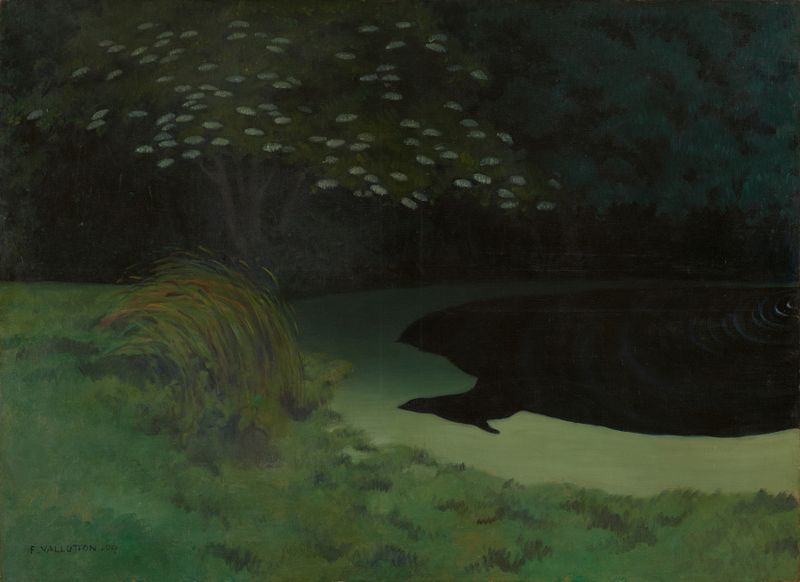
The Pond (Honfleur)
Félix Vallotton
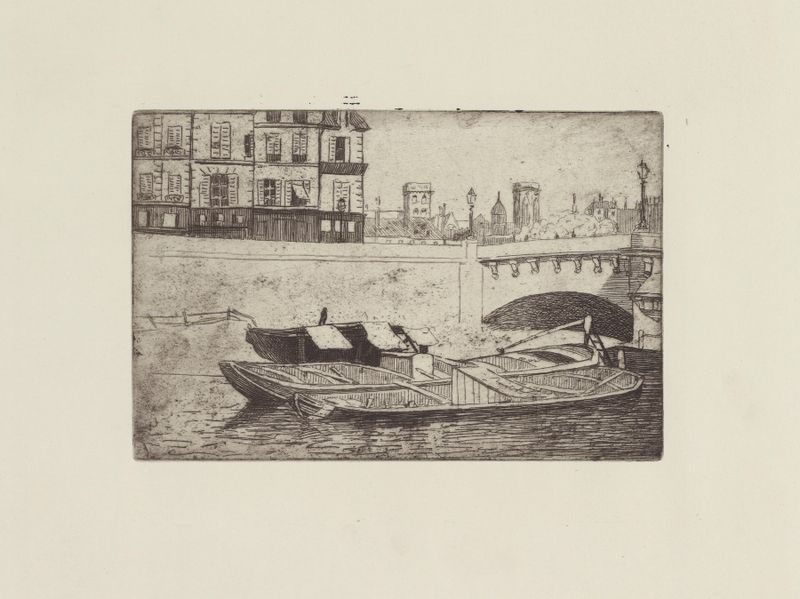
Péniches au Pont-Neuf
Félix Vallotton
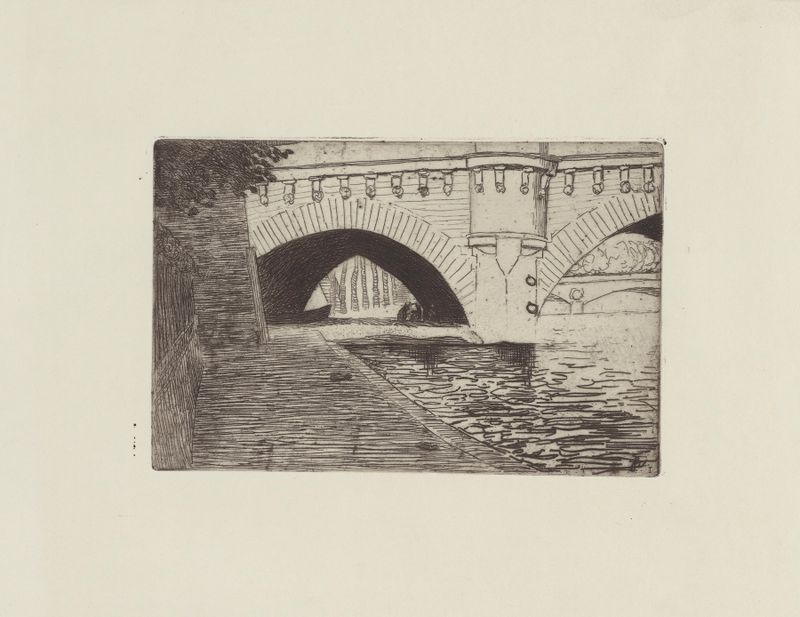
Le Pont-Neuf et le pont St Michel
Félix Vallotton
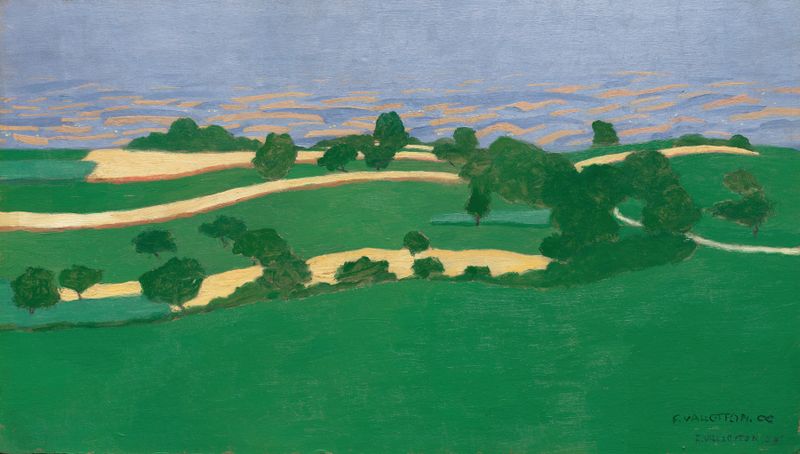
Corn Fields
Félix Vallotton
Le Vert-Galant
Félix Vallotton
Edge Of The Wood
Félix Vallotton
More Architecture Art
Browse all →
The statue of Liberty
Frédéric Auguste Bartholdi

View of Houses in Delft, Known as ‘The Little Street’
Johannes Vermeer

View of Houses in Delft, Known as ‘The Little Street’
Johannes Vermeer

The Cathedral in Rouen. The portal, Grey Weather
Claude Monet

The yellow house
Vincent van Gogh

The Church in Auvers-sur-Oise, View from the Chevet
Vincent van Gogh