
Le pont St Michel — History & Facts
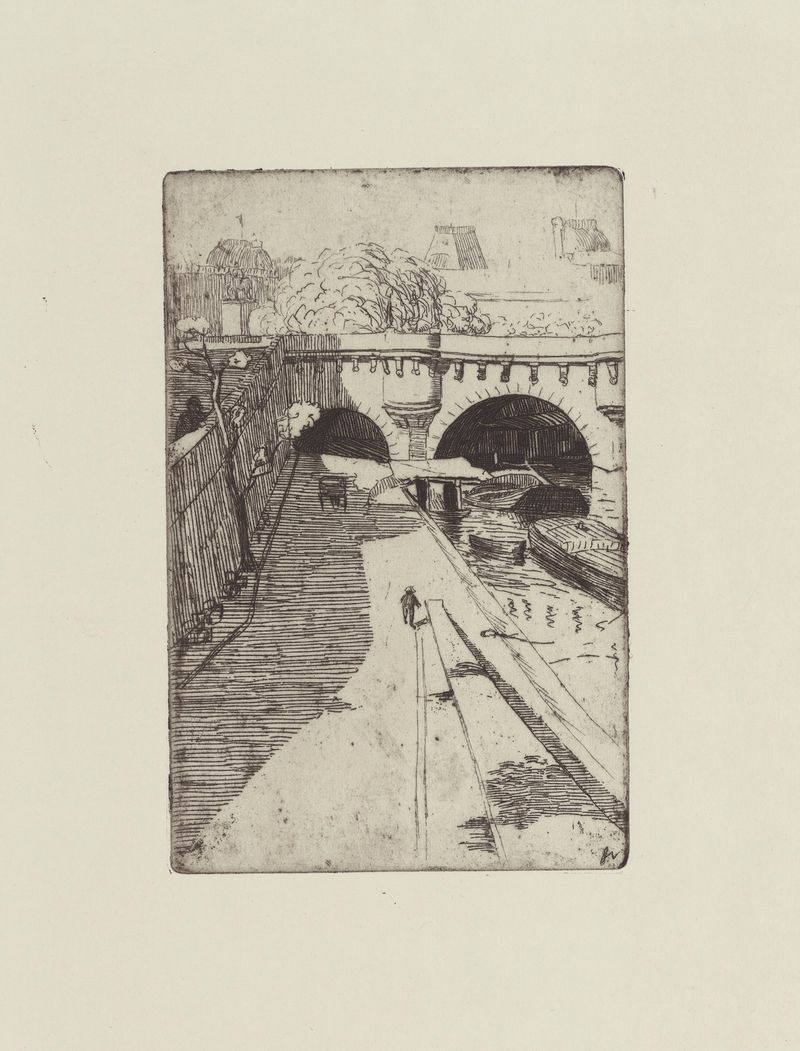
Can beauty exist without sorrow? In Le pont St Michel, the interplay of light and shadow evokes a profound sense of melancholy, inviting viewers to ponder the bittersweet essence of life. Look to the left at the delicate arch of the bridge, rendered with meticulous attention to detail. The muted tones of the sky, ranging from soft grays to washed-out blues, serve as a backdrop for the vibrant figures below, whose silhouettes contrast against the reflective water. Notice how the thick brushstrokes create texture, giving life to the cobblestones and ripples, while the play of light emphasizes the fleeting moment of a city caught between the tranquility of dusk and the bustle of life. Beneath its serene surface, the painting reveals emotional layers.
The figures, small and isolated, seem lost in their own worlds, embodying a quiet introspection that resonates with the viewer's sense of solitude. The bridge, standing as a metaphor for connection yet surrounded by anonymity, evokes the tension between unity and isolation. This duality reminds us that beauty often coexists with the shadows of life. In 1893, Vallotton was living in Paris, amidst a transformative period in art history marked by the rise of Post-Impressionism.
He was influenced by the Symbolist movement and was seeking to capture emotional truths through his work. During this time, he explored themes of urban life and personal reflection, finding solace in the midst of a rapidly changing society. Le pont St Michel reflects this era's complexities, blending beauty with an undercurrent of melancholy.
More Artworks by Félix Vallotton
Browse all →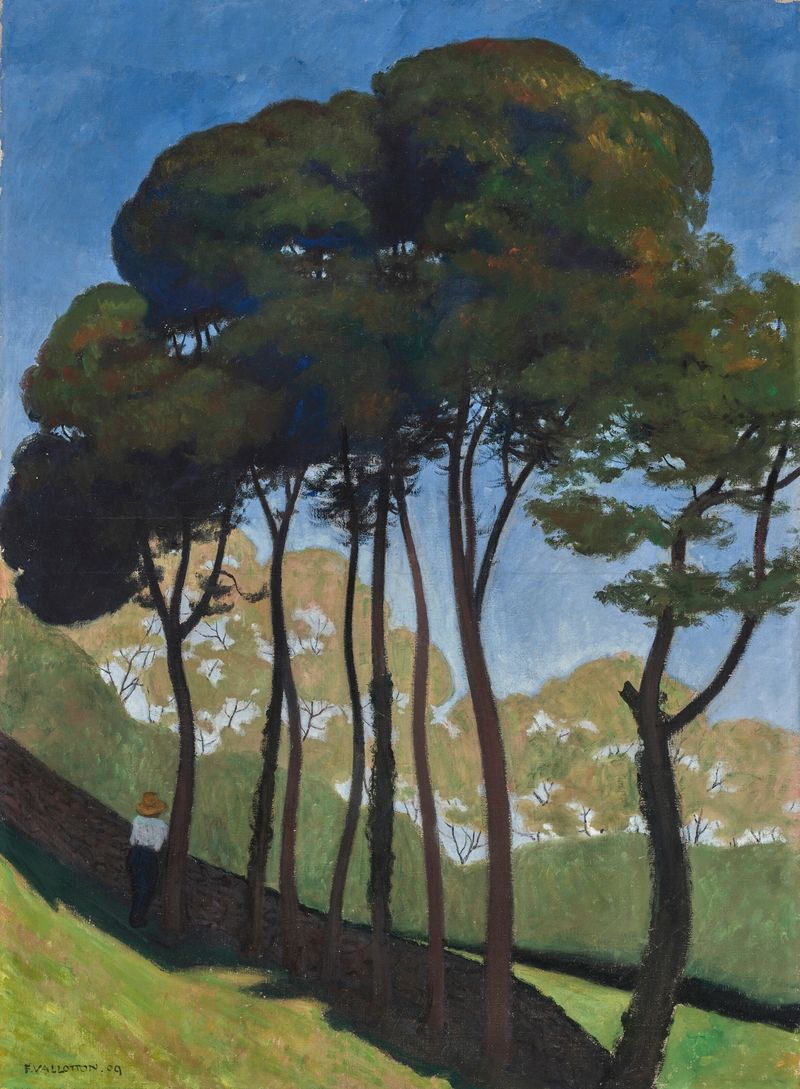
Les Grands Arbres, environs d’Honfleur
Félix Vallotton
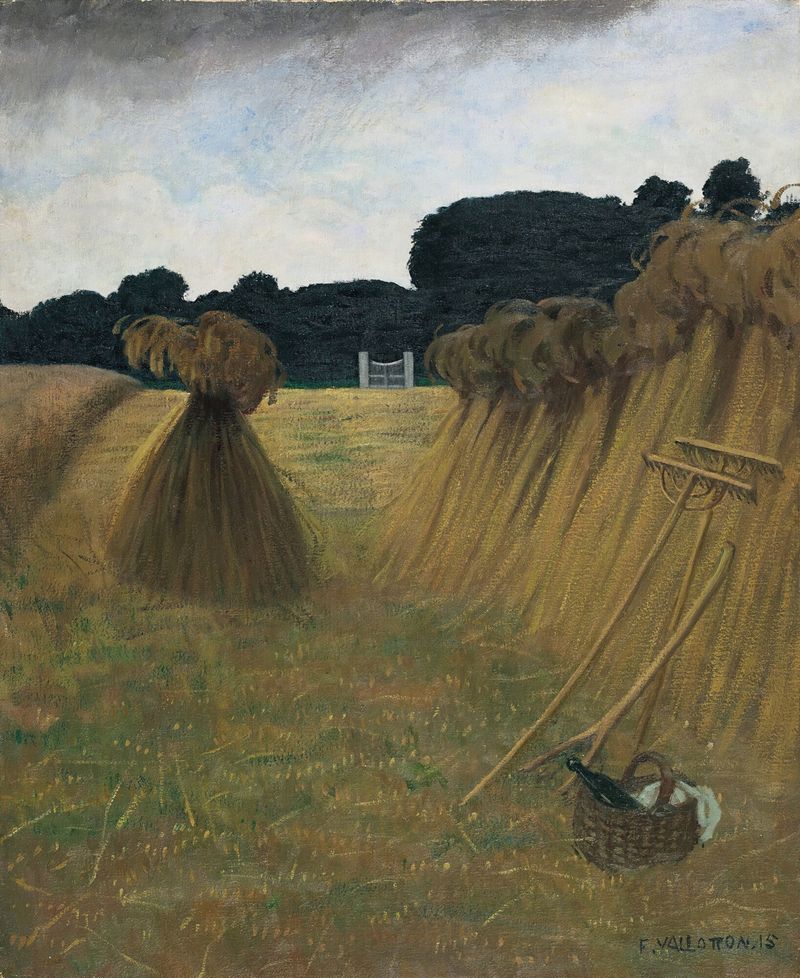
The Sheaves
Félix Vallotton
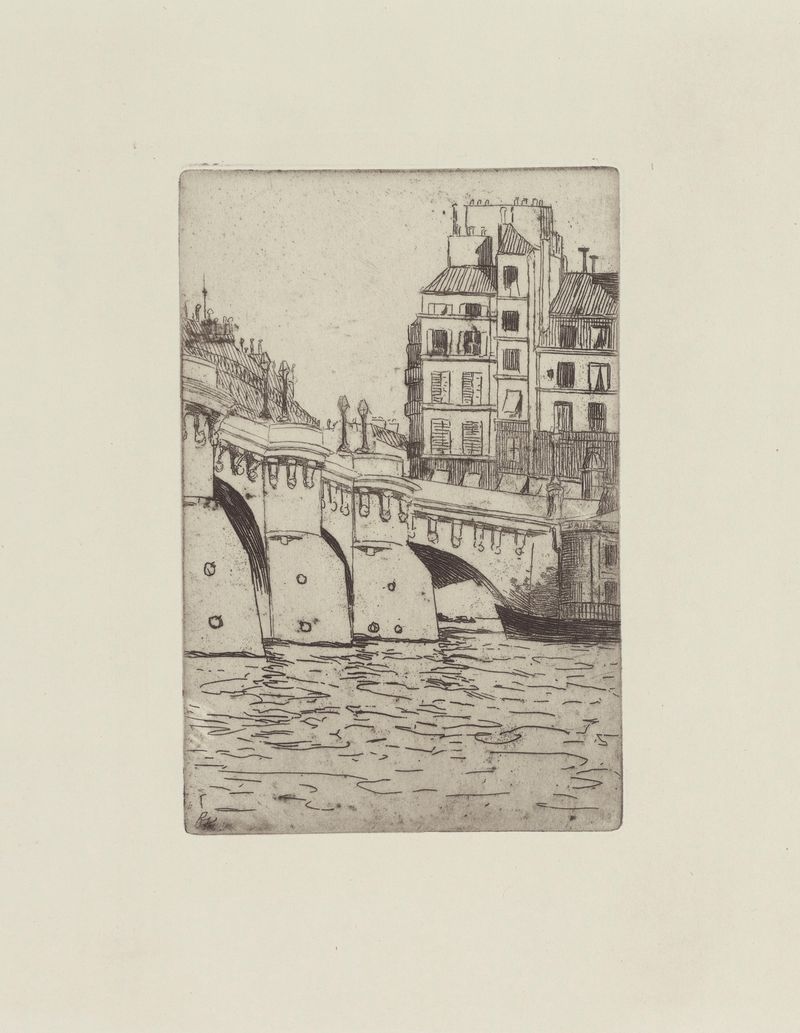
Les bains du Pont-Neuf
Félix Vallotton
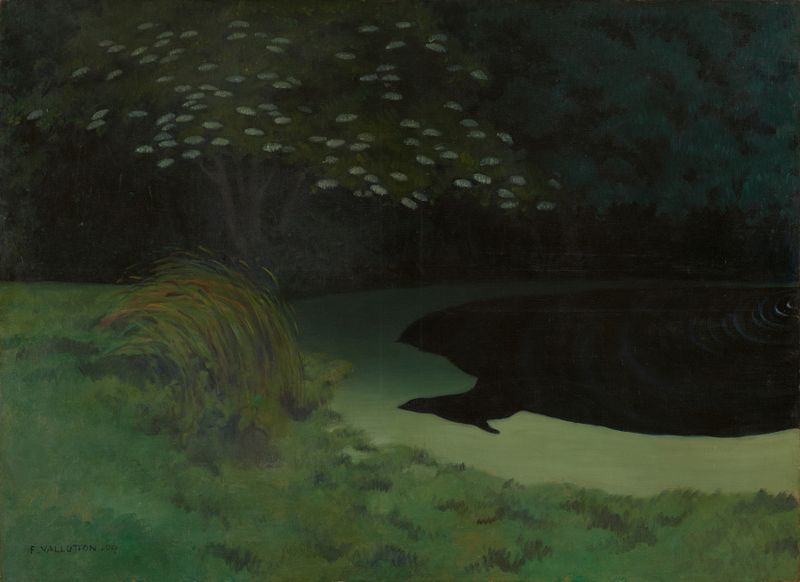
The Pond (Honfleur)
Félix Vallotton
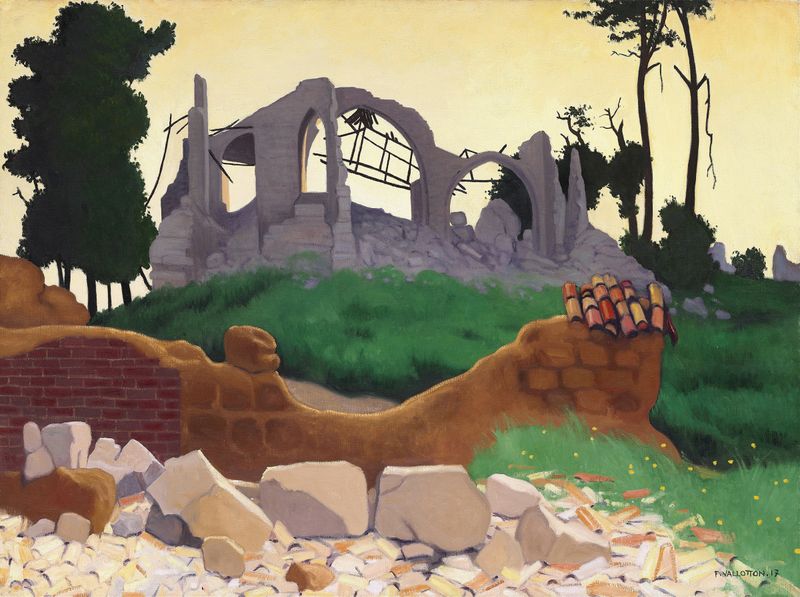
The Church of Souain
Félix Vallotton
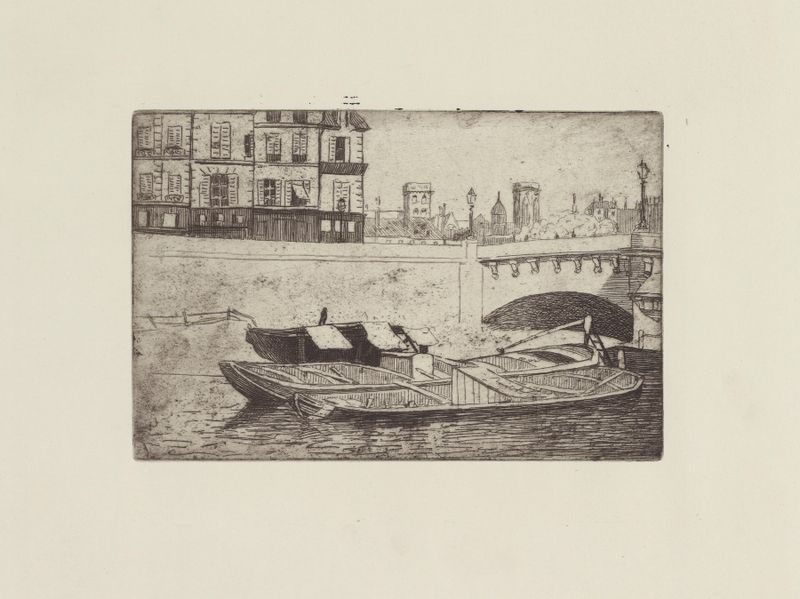
Péniches au Pont-Neuf
Félix Vallotton
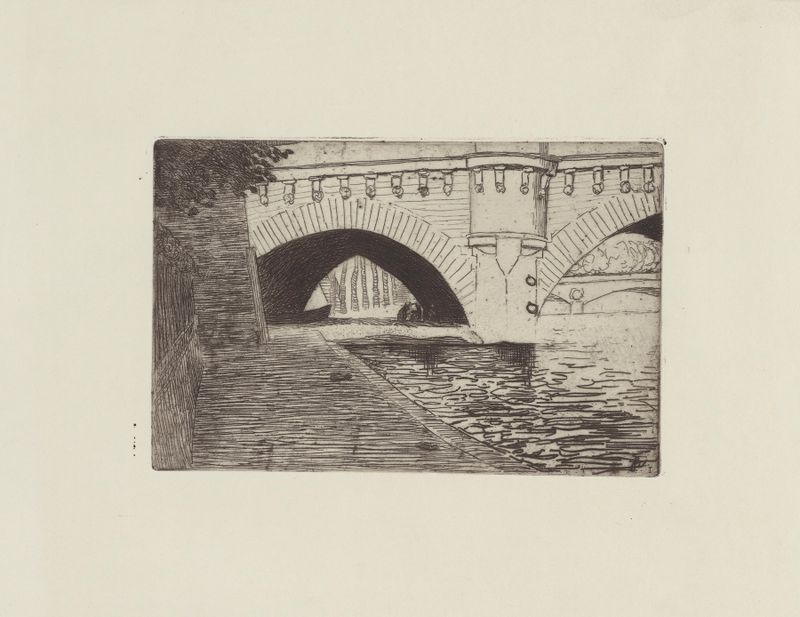
Le Pont-Neuf et le pont St Michel
Félix Vallotton
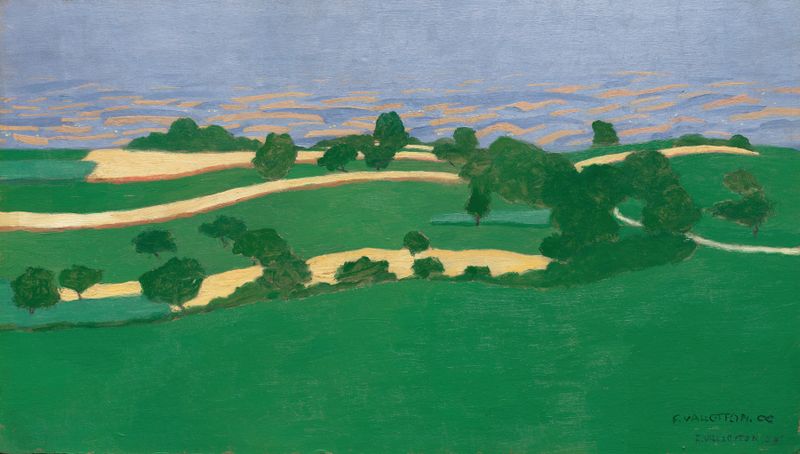
Corn Fields
Félix Vallotton
Le Vert-Galant
Félix Vallotton
Edge Of The Wood
Félix Vallotton





