
Convent of San Sabi — History & Facts
In a world ever on the brink of change, art serves as a silent witness to what we often overlook. It captures the whispers of revolution, the echoes of history, and the profound stillness of moments that shape our future. Look to the center of the canvas where architectural grace meets rugged terrain, framing the Convent of San Sabi against a backdrop of verdant hills. The meticulous brushwork reveals the interplay between light and shadow, with soft hues of green and ochre that evoke both tranquility and unease.
Notice how the warm sunlight bathes the convent in a golden glow, contrasting the darker, tumultuous clouds that loom in the distance — a visual symbol of the upheaval that is both near and far. Delve deeper into the juxtaposition of serenity and impending chaos. The convent stands as a bastion of stability, yet its very presence hints at the shifting tides of society outside its walls. The detailed flora at the foreground represents life and growth, while the ominous skies suggest a revolution that threatens to disrupt this peace.
Each brushstroke tells a story of resilience amidst uncertainty, inviting viewers to ponder the fragility of such moments. In 1844, as Miner Kilbourne Kellogg painted this work, he was navigating both personal and societal changes in America. The nation was grappling with issues of expansion and reform, and the art world was evolving with the rise of the Hudson River School, which emphasized the sublime beauty of nature. Kellogg’s choice to depict the convent reveals an intersection of spirituality and the natural world, reflective of his own artistic journey during this transformative era.
More Artworks by Miner Kilbourne Kellogg
Browse all →
General Andrew Jackson
Miner Kilbourne Kellogg
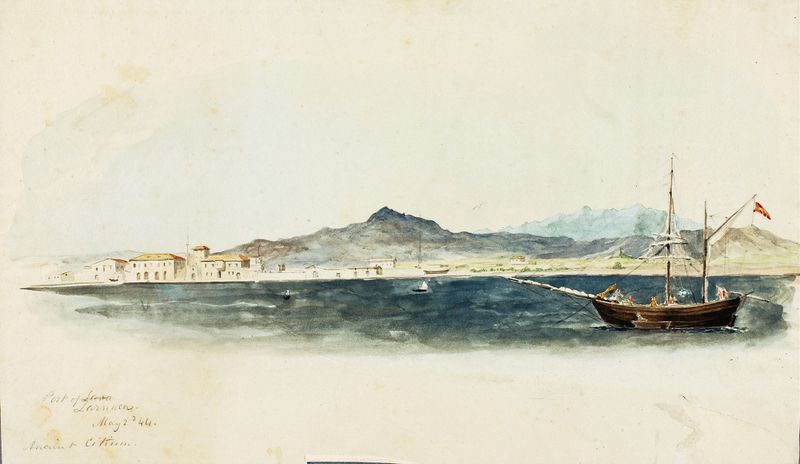
Port of Larnaca
Miner Kilbourne Kellogg
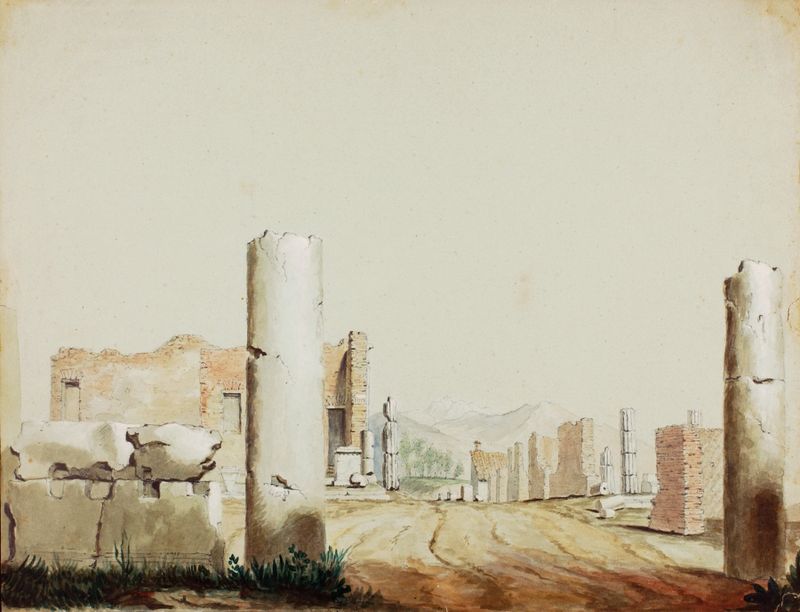
Pompeii, Italy
Miner Kilbourne Kellogg
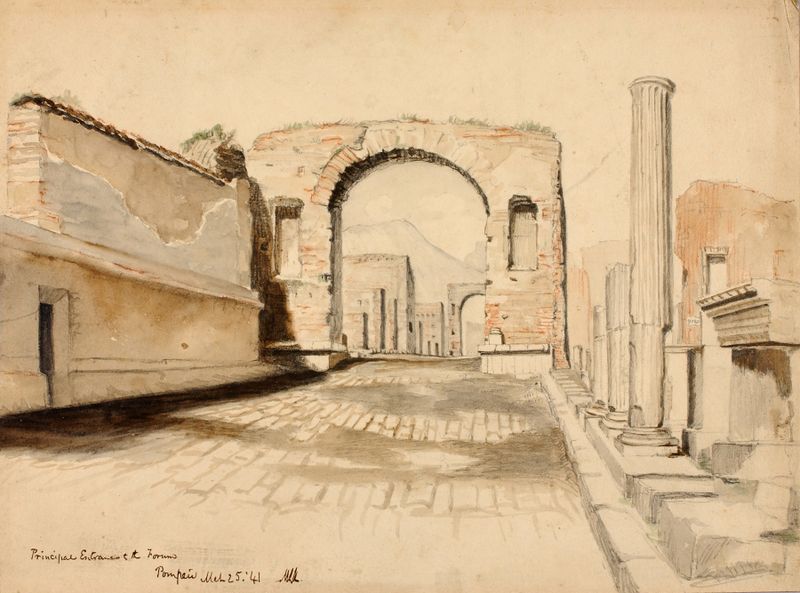
Principal Entrance To The Forum, Pompeii
Miner Kilbourne Kellogg

Tomb of Virgil, Naples
Miner Kilbourne Kellogg

Ancient And Modern Egypt
Miner Kilbourne Kellogg

Adalia, Asia Minor
Miner Kilbourne Kellogg

Fire Island Lighthouse
Miner Kilbourne Kellogg

Saltwood Castle
Miner Kilbourne Kellogg

Glacier And Falls
Miner Kilbourne Kellogg
More Architecture Art
Browse all →
The statue of Liberty
Frédéric Auguste Bartholdi

View of Houses in Delft, Known as ‘The Little Street’
Johannes Vermeer

View of Houses in Delft, Known as ‘The Little Street’
Johannes Vermeer

The Cathedral in Rouen. The portal, Grey Weather
Claude Monet

The yellow house
Vincent van Gogh

The Church in Auvers-sur-Oise, View from the Chevet
Vincent van Gogh