
Cook Strait, New Zealand — History & Facts
In this stillness, we confront our fleeting existence against the vastness of nature. Each brushstroke whispers that life is transient, begging us to pause and reflect. Look to the horizon, where the soft blues and greens of the water meet the sky, creating a serene backdrop for the rugged land along the shore. Notice how the light dances across the waves, its shimmering surface alive with movement, contrasting sharply with the stillness of the land's craggy cliffs.
Chevalier’s delicate layering of paint captures both the tranquility and the raw power of the coastline, inviting viewers to lose themselves in its depths. Yet beneath this picturesque scene lies an unsettling tension. The jagged rocks symbolize the relentless forces of nature, reminding us of mortality’s ever-present grasp. The peaceful waves, while visually captivating, signify the passage of time, eternal yet enigmatic.
Each element of the landscape serves as a reminder that beauty is both a gift and a fleeting moment, urging us to contemplate the transient nature of life itself. Nicholas Chevalier created this work in 1884 while living in New Zealand, a time when he was deeply influenced by the natural beauty surrounding him. The artist was exploring the landscapes of his new home, where the wrestling between civilization and the untamed wilderness played a crucial role in shaping his art. This period marked a significant moment in landscape painting, as artists sought to capture the sublime aspects of untouched nature, which resonated with the public’s growing interest in the natural world.
More Artworks by Nicholas Chevalier
Browse all →
Coast near Dunedin
Nicholas Chevalier
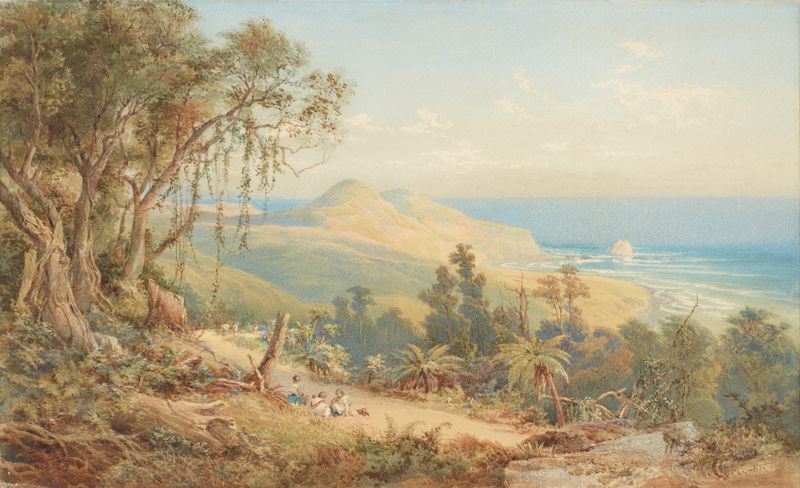
Sandfly Bay, Otago
Nicholas Chevalier

Buckler Burn at the head of Wakatipu Lake
Nicholas Chevalier

Mr MacKellar’s Station, the Waimea Plains, Southland
Nicholas Chevalier
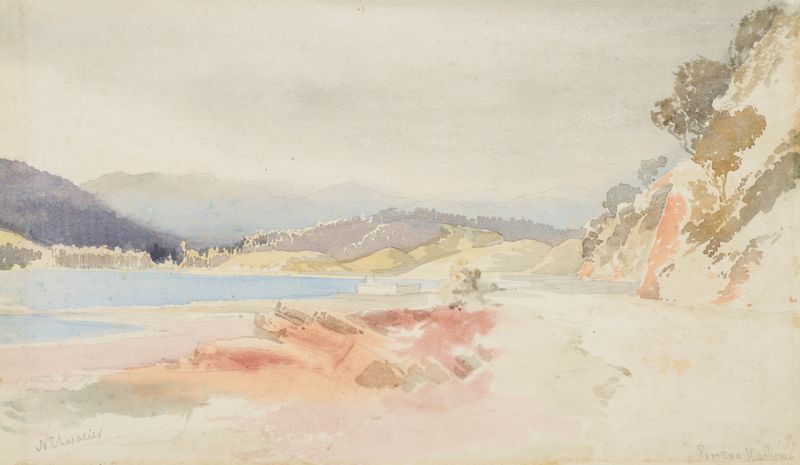
Porirua Harbour
Nicholas Chevalier
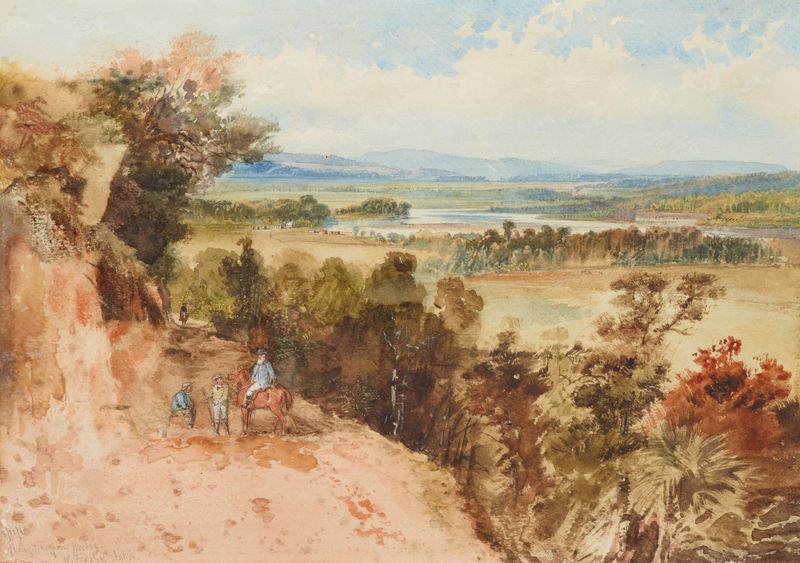
Rangitikei from Westoe, W. Fox Esq’s Station
Nicholas Chevalier

The Upper Rangitikei
Nicholas Chevalier
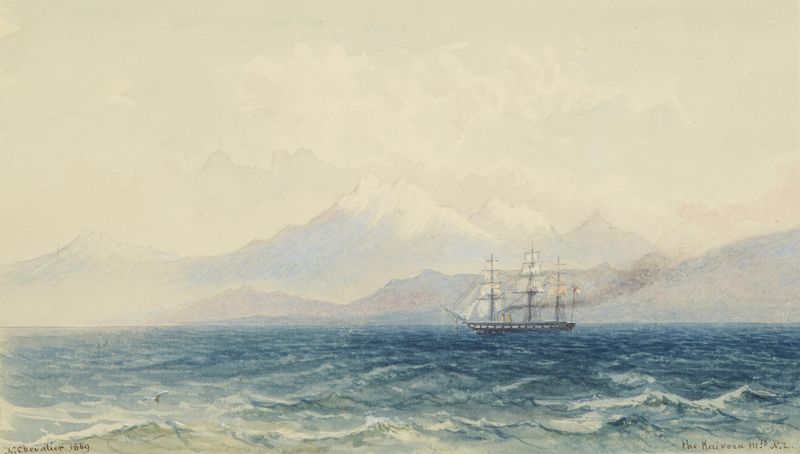
The Kaikoura Mountains, N.Z.
Nicholas Chevalier

Upper Hutt Valley
Nicholas Chevalier

The Tararua Mountains and the Waipoua River
Nicholas Chevalier





