Cottage and Foot Bridge — History & Facts
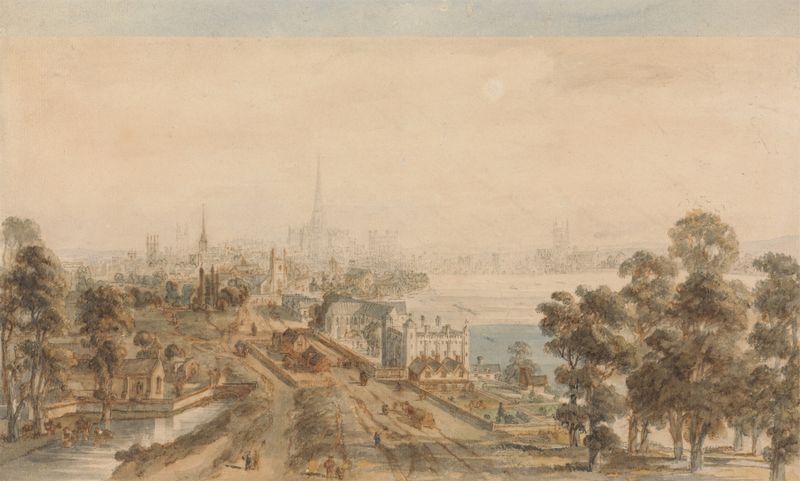
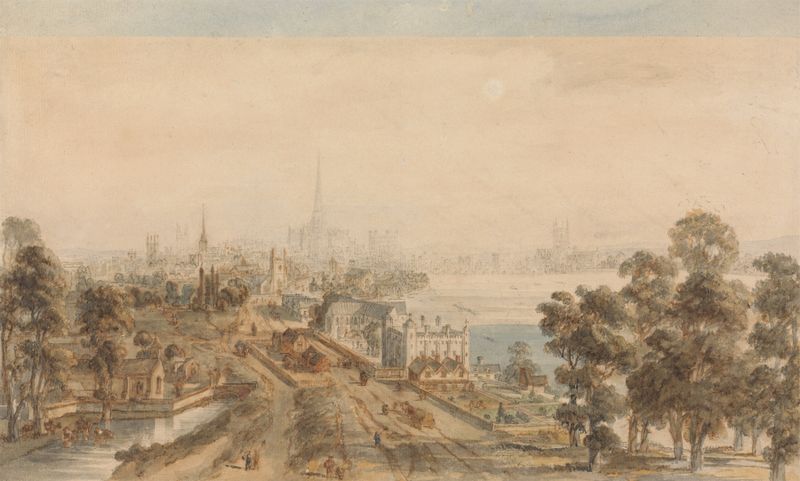
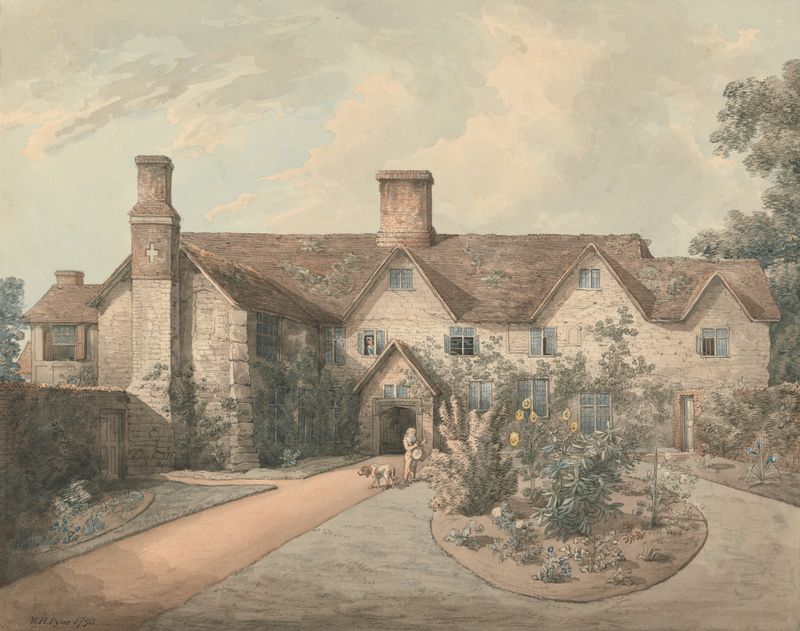
Where does light end, and longing begin? The question lingers in the air as one gazes upon a pastoral scene where nature cradles human habitation with gentle reverence. Look to the left of the canvas, where a quaint cottage nestles amid lush greenery, its thatched roof kissed by the golden hour’s embrace. Notice how the light filters through the foliage, casting intricate shadows that dance across the water below the delicate footbridge. The soft palette of greens and browns evokes a sense of harmony.
The brushwork, both precise and fluid, captures the shimmering surface of the stream, inviting viewers to tread upon the bridge and enter this serene world. Within the tranquil landscape, contrasts emerge. The sturdy, rustic structure of the cottage speaks to human resilience, while the ethereal quality of the light hints at fleeting moments of beauty—here, nature transcends the mundane. The bridge itself symbolizes connection, a pathway between solitude and community, hinting at the deeper emotional currents that run through our mortal experience.
Each element invites contemplation, allowing the viewer to reflect upon the balance of life and longing. In 1794, the artist painted this scene during a time when Romanticism began to flourish, emphasizing emotion and nature's sublime beauty. Living in England, he was influenced by the picturesque ideals of the countryside. This work reveals a burgeoning appreciation for the landscape as a source of inspiration, reflecting not only personal introspection but also a broader cultural shift towards valuing the natural world and its serene, yet profound, simplicity.