Count Van Ranzow’s Estate — History & Facts
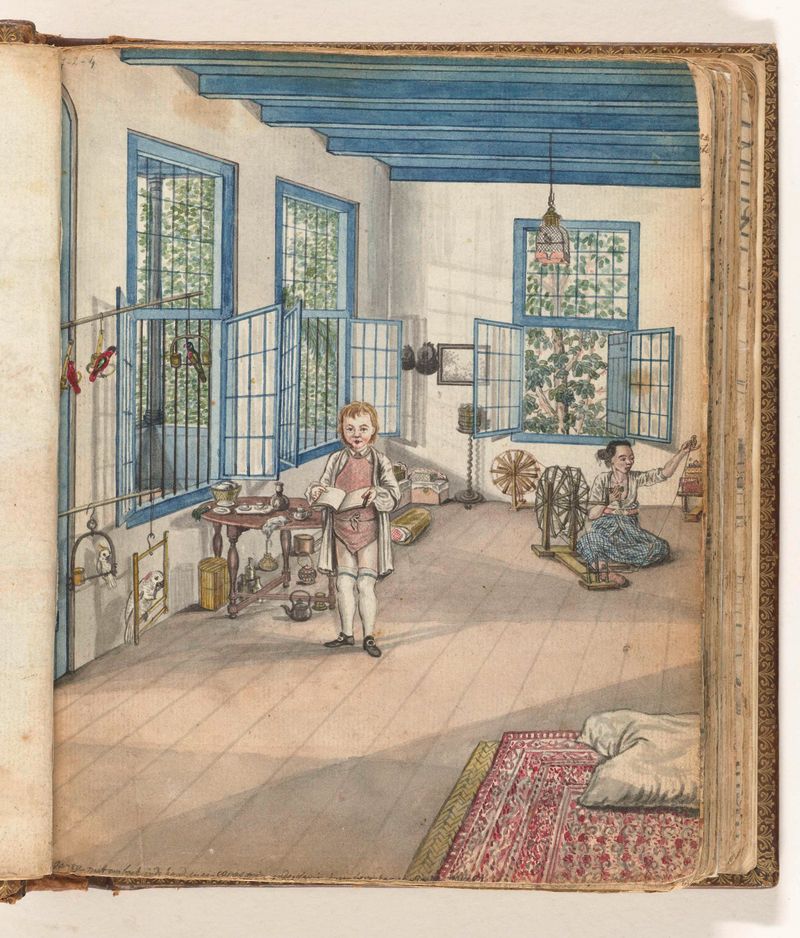
Can beauty exist without sorrow? In Count Van Ranzow’s Estate, Jan Brandes invites us to ponder the intertwined fates of elegance and melancholy. Look to the foreground, where meticulously dressed figures stroll through the manicured gardens, their postures exuding a sense of both leisure and restraint. Notice how the lush, verdant hues of the foliage are contrasted by the cool, pale blues of their garments, creating a serene union of nature and human presence. The composition draws your eye toward the grand estate in the distance, its stately architecture standing proud yet overshadowed by the somber sky, hinting at the fleeting nature of wealth and beauty. As you delve deeper into the painting, consider the juxtaposition of the vibrant life within the estate and the encroaching shadows that loom overhead.
The opulence of the surroundings whispers of a life filled with privilege, yet the muted tones of the sky suggest an inevitable decline, a reminder that destiny weaves its threads through every joyful moment. Each figure, while adorned in finery, carries an unspoken story of longing and loss—an emotional tension that lingers like a distant echo. In 1785, Brandes created this artwork during a period marked by shifting social landscapes and Enlightenment ideals. Living in the Netherlands, he was immersed in a world where the aristocracy's power was beginning to wane, and the pulsing energy of modernity began to stir.
This canvas reflects not only the aesthetic aspirations of his time but also a deep awareness of the transience of beauty and status, making it a poignant reflection on the complexities of human existence.