
Court interiors — History & Facts
Is this a mirror — or a memory? The stillness of the space invites contemplation, a realm suspended between reality and reflection, where silence speaks volumes. Look to the center of the composition, where expansive walls rise dramatically, adorned with intricate details that seem to whisper stories of the past. The muted tones of beige and gray blend seamlessly, interrupted only by occasional flashes of gold that catch the light, guiding your gaze upward. Notice how the depths of the shadows play with the architecture, creating a sense of both grandeur and intimacy, as if the room itself is a witness to unspoken dialogues. Delve deeper into the subtleties within the painting.
The heavy drapery, thick and rich, suggests a barrier—one that isolates the viewer from the echoing silence. In the corner, a solitary chair awaits, emblematic of absence, provoking questions about those who once inhabited this space. Each element, from the patterned carpets to the delicate chandeliers, captures a fleeting moment, inviting thoughts of the conversations that have unfolded here, and those that remain unvoiced. Anton Burger painted this work during a time when the boundaries of traditional art were being challenged in the late 19th century.
Although the exact date is unknown, it is likely that he sought to convey the opulence of court life amid the broader movement toward realism in his contemporaries. This period saw a fascination with domestic interiors, as artists explored the narratives hidden within the walls of society's elite, striving for a deeper connection between viewer and the silent witness of history.
More Artworks by Anton Burger
Browse all →
Hohlweg mit Schafherde bei Kelsterbach
Anton Burger
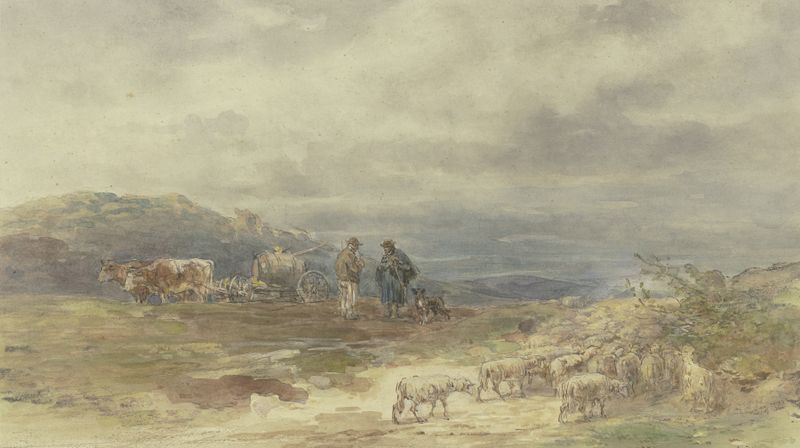
Landschaft mit Schafherde und Ochsenfuhrwerk
Anton Burger

View of Kronberg
Anton Burger
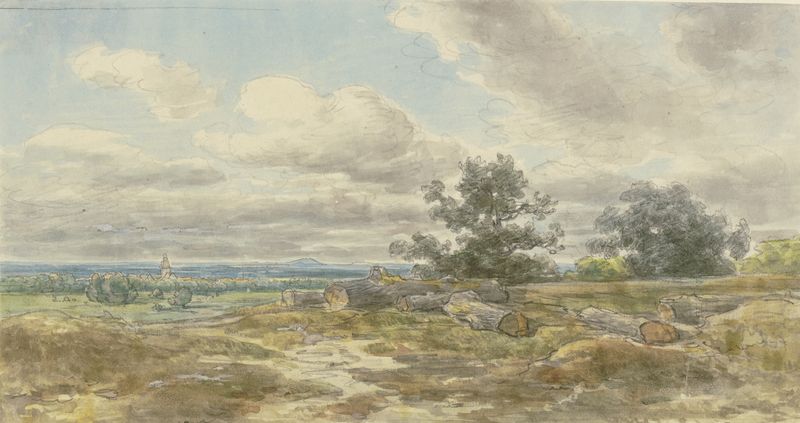
Aussicht über eine Ebene, im Vordergrund umherliegende abgesägte Baumstämme
Anton Burger
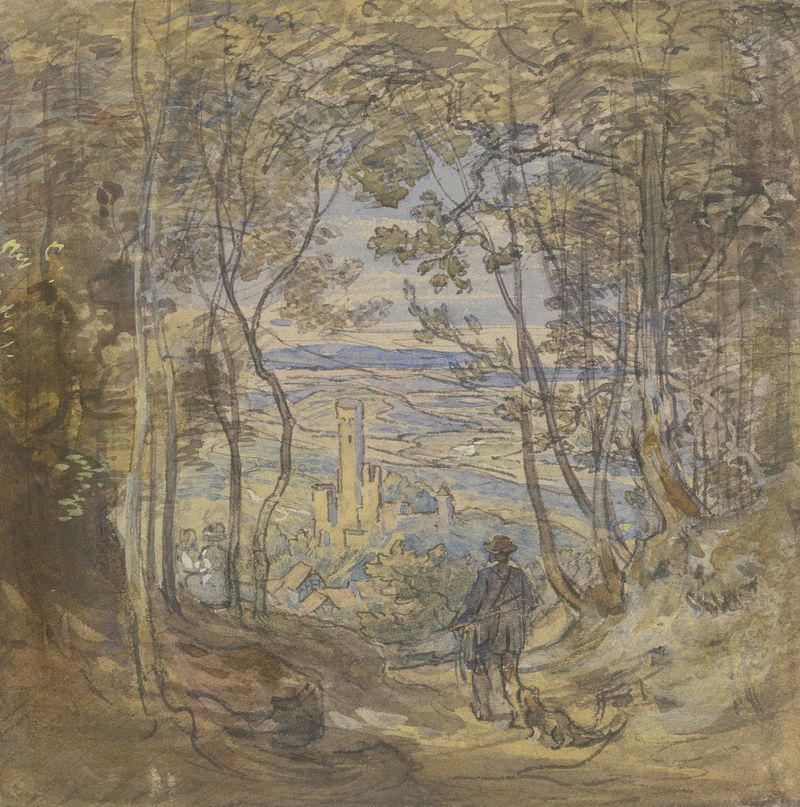
Blick aus dem Wald auf Eppstein
Anton Burger

Oberreifenberg mit Burg Reifenberg
Anton Burger
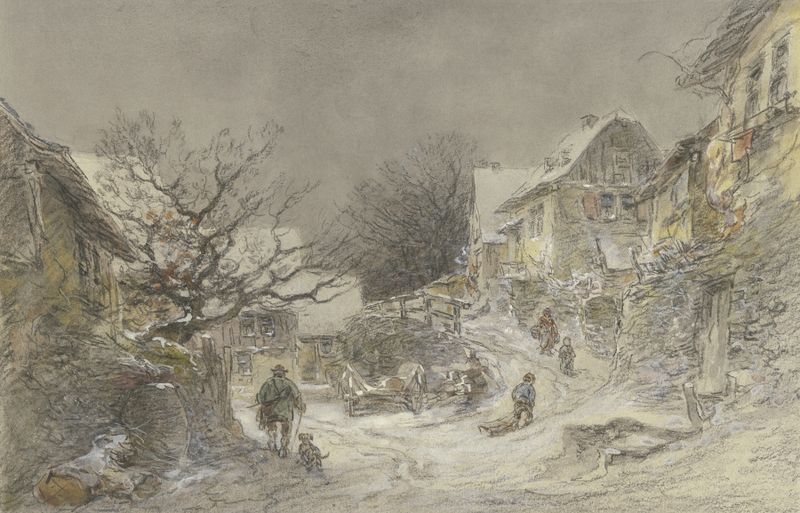
Winteransicht von Falkenstein
Anton Burger

Hohlweg mit Schafherde bei Sonnenuntergang
Anton Burger

Landschaft mit Ochsengespann
Anton Burger
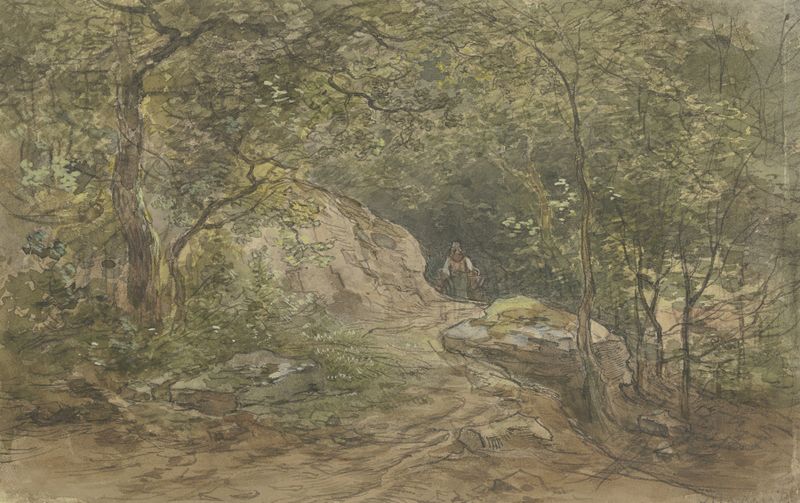
Fahrweg durch einen Buchenwald
Anton Burger





