Courtyard of the house of Christoffel Plantin — History & Facts
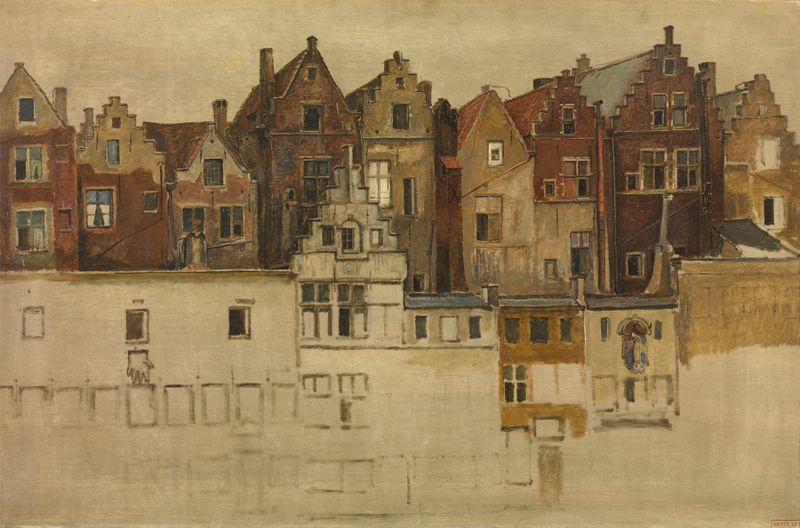
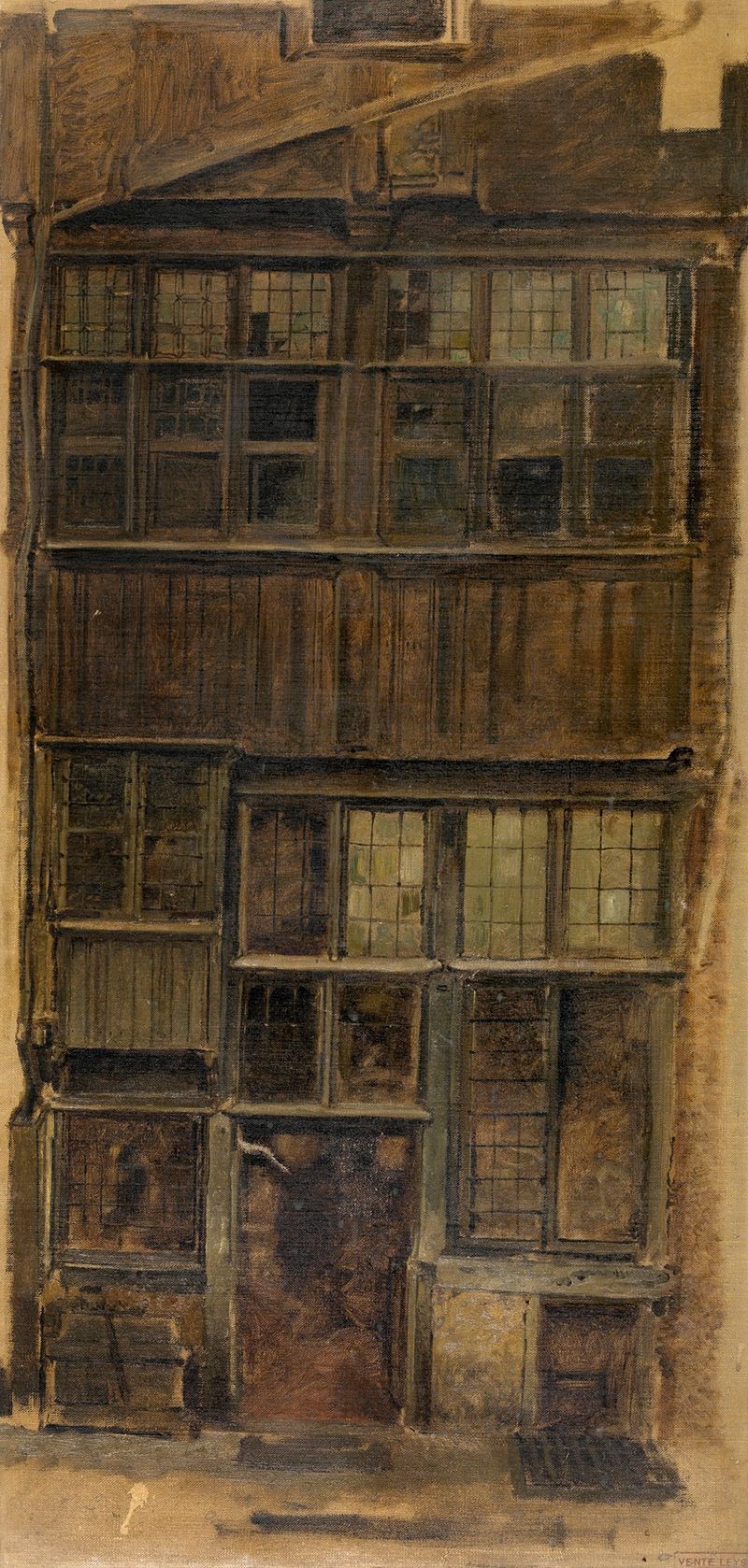
Where does light end, and longing begin? In the hushed tranquility of a forgotten courtyard, memories intertwine with the textures of time. Focus on the soft interplay of sunlight filtering through the leaves, casting dappled shadows on the cobblestones below. The delicate color palette, with soft earth tones and gentle greens, invites contemplation. Notice how Leys captures the essence of this space, as if each corner holds whispers of laughter and echoes of footsteps long past, inviting the viewer to step into a realm of nostalgia. Beneath the surface of this serene setting lies a deeper narrative of memory and belonging.
The ivy-clad walls seem to cradle secrets, while the stillness imbues the air with an unspoken yearning. Each detail, from the weathered stones to the gentle sway of the branches above, hints at the passage of time, blurring the line between the present and the remnants of what once was. The courtyard becomes a metaphor for longing—a space where the soul can wander and reflect on the beauty of what is lost. In this undefined moment, the artist navigated the complexities of personal and artistic identity.
Painting during the 19th century, Leys was part of a movement that sought to evoke emotional depth through historical and everyday subjects. The era was marked by a fascination with memory and nostalgia, elements that resonate deeply within this composition.