
Crémieu, Seen from Chaillonnette — History & Facts
In a world that spins relentlessly forward, the delicate balance between serenity and chaos is often lost. Yet, within the canvas unfolds a moment suspended in time, where nature tells stories of what once was, whispering secrets that continue to breathe amidst the din of modernity. Focus on the left side of the artwork, where gentle strokes of green bring life to the foothills bathed in soft sunlight. The pastel hues create a tranquil backdrop against the sharp contrasts of the village, where tightly clustered structures seem to erupt from the landscape like a bouquet of humble chaos.
Notice how the clouds, painted in swirling blues and whites, capture both the promise of rain and the threat of a storm, inviting contemplation on the fleeting nature of both tranquility and turmoil. Hidden within the apparent calmness of Crémieu, Seen from Chaillonnette lies an interplay of stability and disruption. The juxtaposition of exquisite detail in the village's architecture against the soft, impressionistic brushwork of the surrounding landscape reflects the tension between human existence and nature’s unpredictable hand. The distant mountains, looming yet gentle, embody a timeless presence, while the vibrant greens and browns of the foreground pulse with life, suggesting the chaos that underpins all beauty. Ravier painted this work between 1867 and 1872, during a time when France was rapidly transforming due to industrial advancements and political shifts.
Residing in the picturesque region of the Rhône-Alpes, he sought to capture the essence of landscapes that were beginning to fade as progress encroached upon them. As an artist associated with the Barbizon School, he aimed to convey not just a view, but a poignant reminder of nature’s resilience amidst human chaos.
More Artworks by François-Auguste Ravier
Browse all →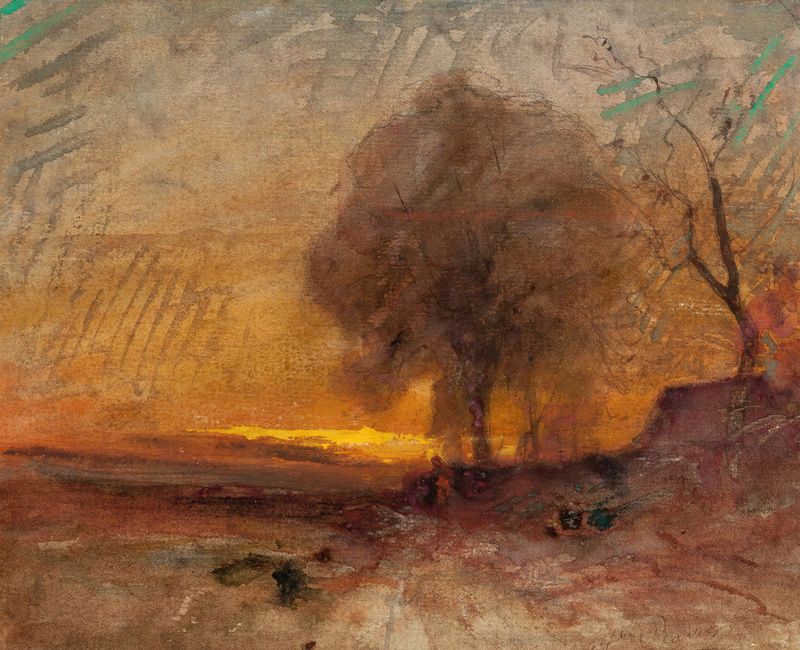
Landscape at Dusk
François-Auguste Ravier

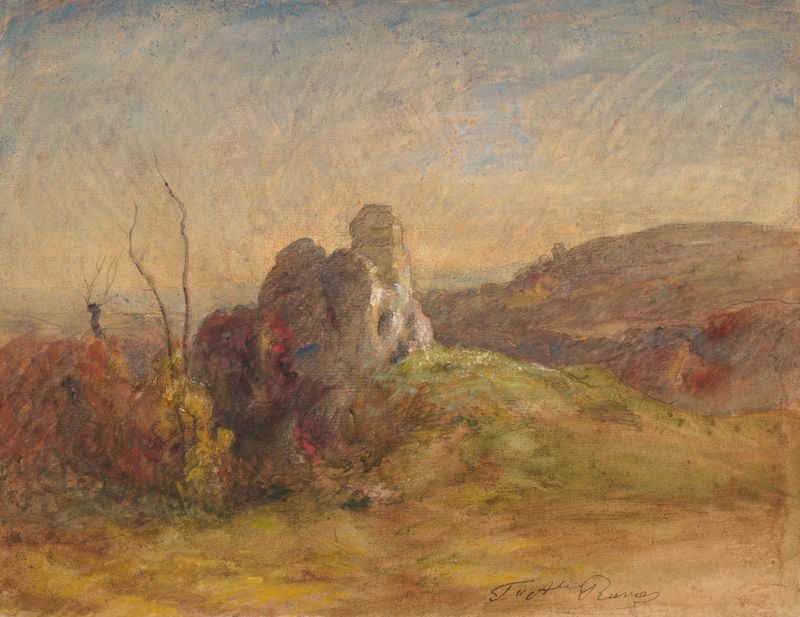
Étude de paysage
François-Auguste Ravier
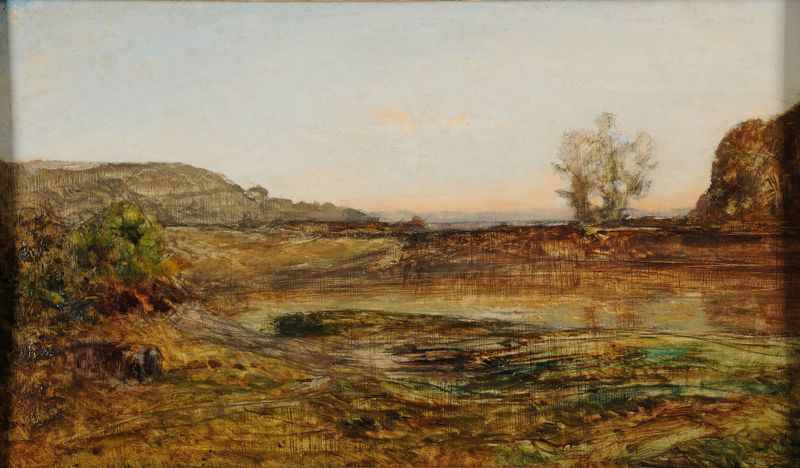
Landscape
François-Auguste Ravier
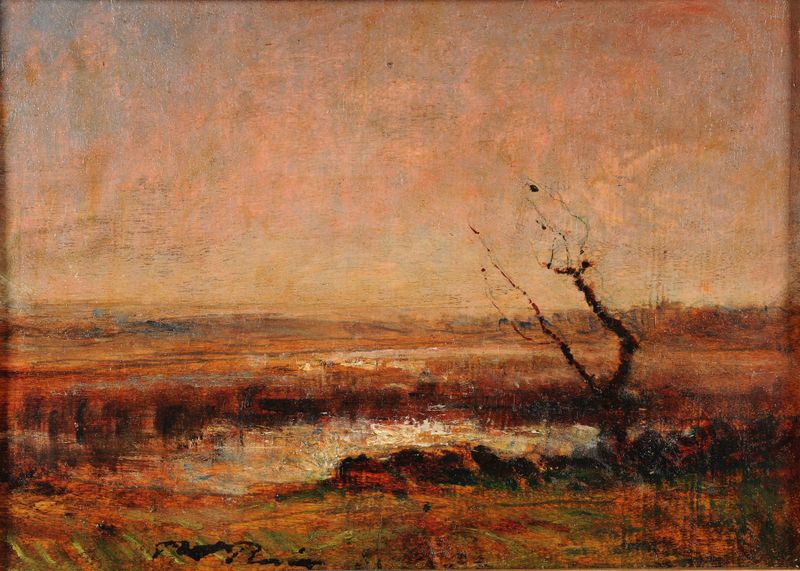
L’Étang d’Optevoz
François-Auguste Ravier
Étude de paysage
François-Auguste Ravier

Approaching Morestal
François-Auguste Ravier

Allée des Tilleuls à Crémieu
François-Auguste Ravier
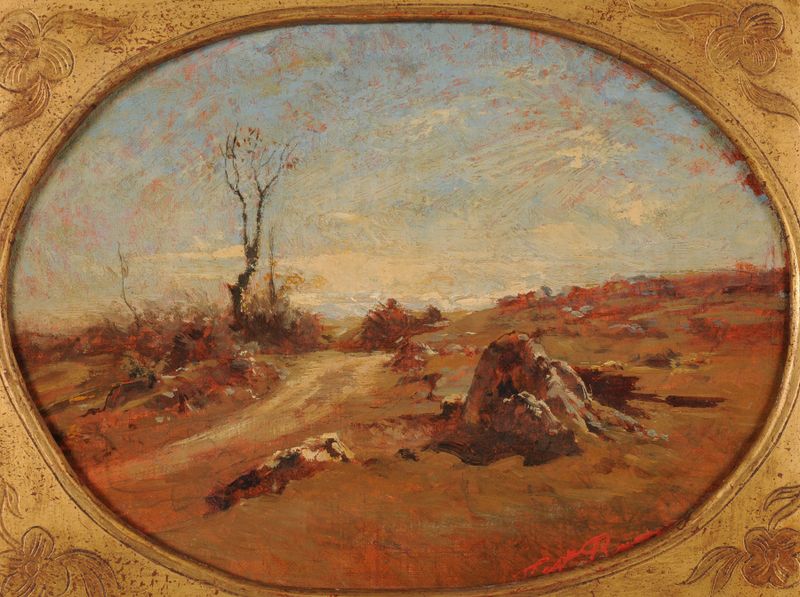
Automne. L’arbre
François-Auguste Ravier

Sunset over a Pond
François-Auguste Ravier
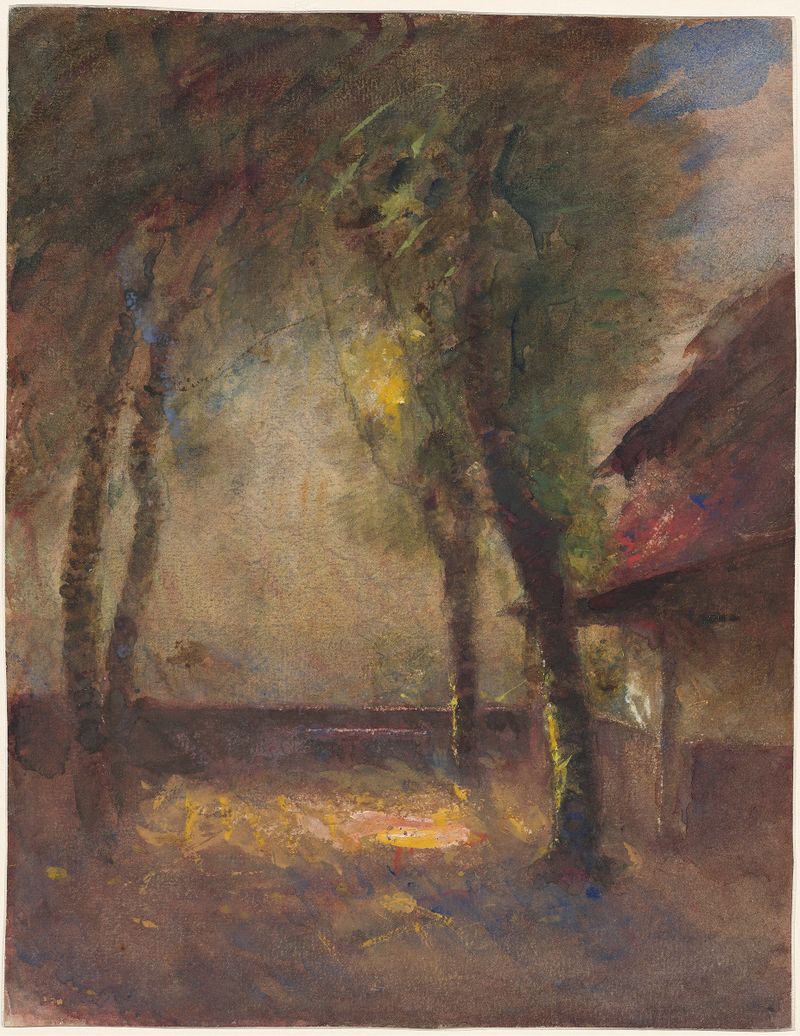
The Terrace of the Ravier House in Morestel
François-Auguste Ravier





