
Étude de paysage — History & Facts
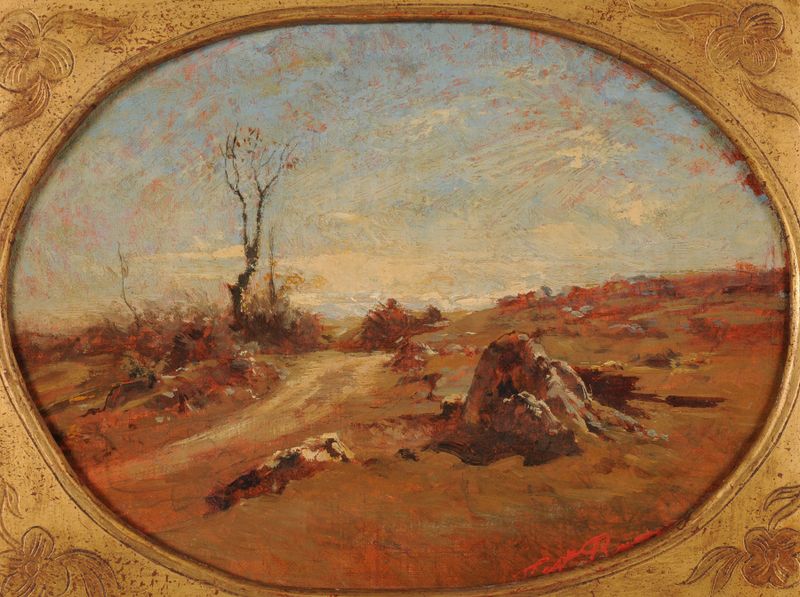
Can paint confess what words never could? In Étude de paysage, the canvas breathes life into the silent whispers of nature, inviting us to witness its awe-inspiring beauty. Focus on the sweeping horizon, where soft, rolling hills cradle the delicate blue of the sky. Notice how the gentle brushstrokes capture the tranquility of the landscape, inviting you into a serene world filled with vibrant greens and warm earth tones. Each layer of paint reveals depth, as light plays across the surface, creating a sense of movement that carries your gaze across the undulating terrain. The painting subtly contrasts the calmness of nature with an underlying tension of untamed wilderness.
Glimpses of shadowy brushwork suggest that the serene scene holds secrets, perhaps a reminder of nature's raw power. The interplay of light and darkness not only enhances the composition but serves as a metaphor for the complexity of our relationship with the environment—beautiful yet unpredictable. This artwork emerged during a pivotal period for the artist, who painted it in the mid-19th century while navigating the shifting tides of Romanticism in France. During these years, François-Auguste Ravier explored the delicate balance between representation and abstraction, striving to capture fleeting moments of nature's majesty.
His work reflected a growing interest in the emotional impact of landscape painting, a trend that resonated deeply within the broader art movements of his time.
More Artworks by François-Auguste Ravier
Browse all →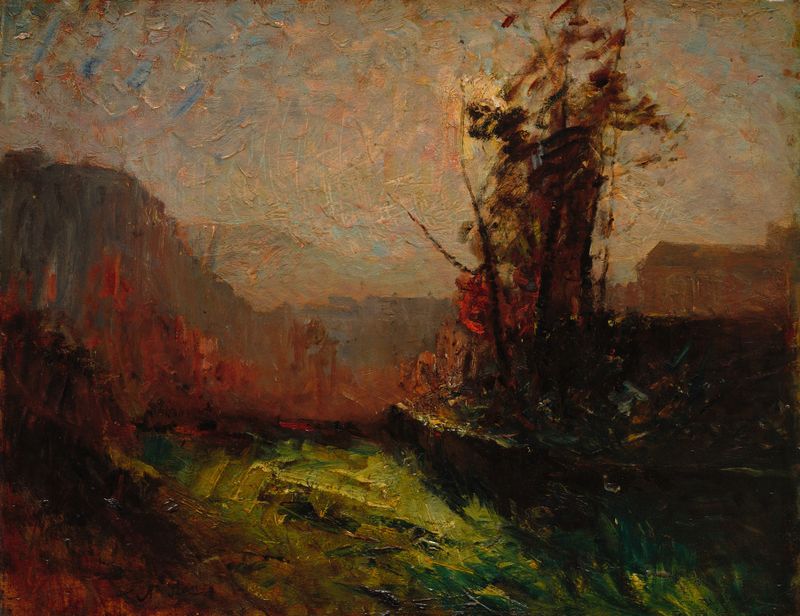
Crémieu, Seen from Chaillonnette
François-Auguste Ravier
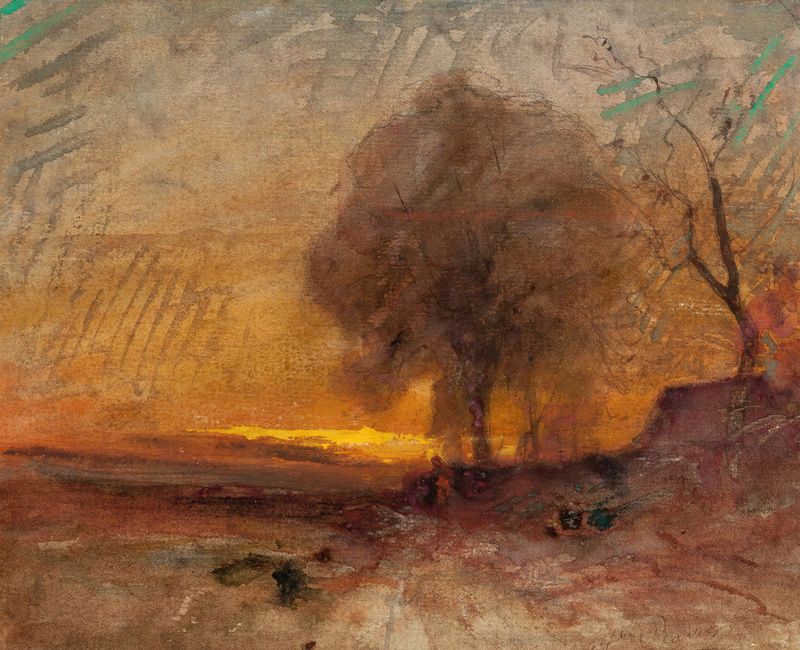
Landscape at Dusk
François-Auguste Ravier

Étude de paysage
François-Auguste Ravier
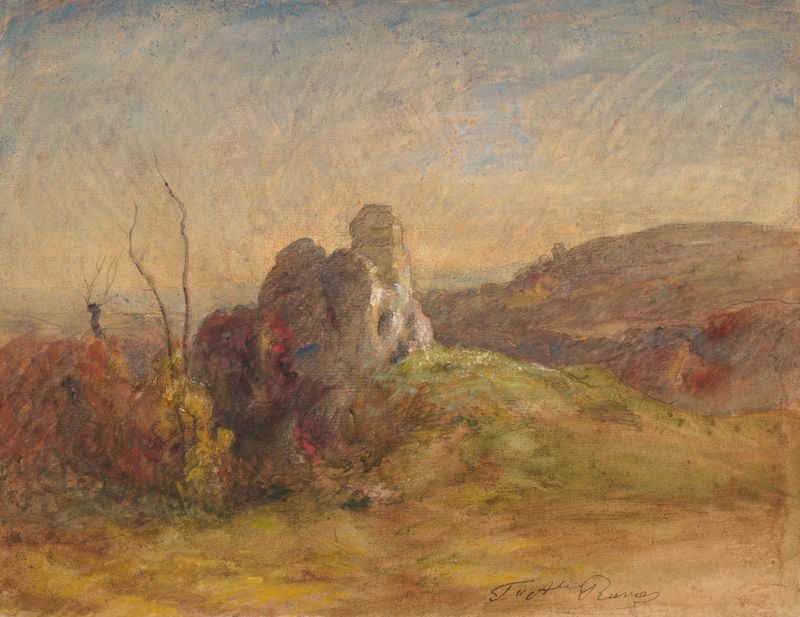
Landscape
François-Auguste Ravier
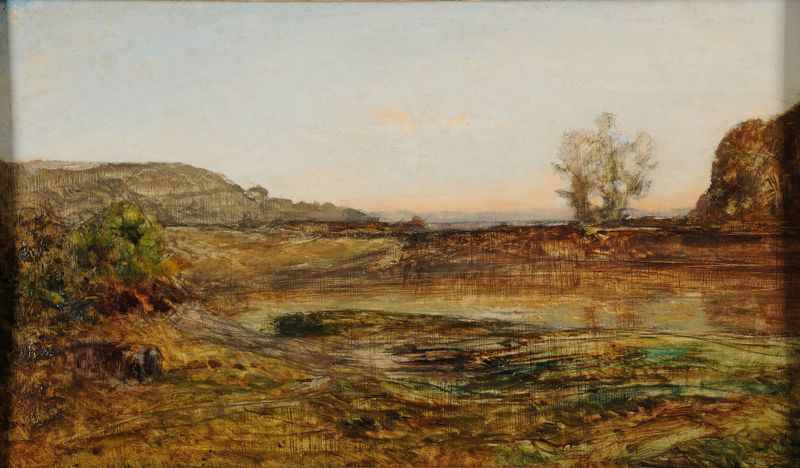
L’Étang d’Optevoz
François-Auguste Ravier

Approaching Morestal
François-Auguste Ravier

Allée des Tilleuls à Crémieu
François-Auguste Ravier
Automne. L’arbre
François-Auguste Ravier

Sunset over a Pond
François-Auguste Ravier
The Terrace of the Ravier House in Morestel
François-Auguste Ravier





