
Crépuscule, effet de lune — History & Facts
Is this a mirror — or a memory? The haunting beauty of twilight lingers in the delicate interplay of light and shadow, evoking the melancholy of solitude and reflection. Look to the center of the canvas, where a silvery moon casts a gentle glow over a tranquil landscape. Notice how the soft luminescence pools against the water’s surface, creating ripples that seem to dance yet remain eerily still. The brushwork is both fluid and meticulous, suggesting a dreamlike atmosphere that invites introspection.
The muted palette of blues and silvers envelops the scene, enhancing the sense of isolation, while the dark silhouettes of trees provide contrast, framing the serene yet haunting vista. Beneath the shimmering tranquility lies an emotional tension, as the interplay of light and dark symbolizes the fragile boundary between hope and despair. The lone figure, seemingly lost in thought, embodies a profound sense of loneliness, their presence both grounding and ethereal. This contradiction invites viewers to contemplate their own feelings of isolation, drawing parallels between the external landscape and the internal state of the heart. In the mid-19th century, during the time Crépuscule, effet de lune was painted, Jean-Baptiste Carpeaux was navigating the evolving art world, moving between romanticism and realism.
Working in France, he witnessed the rise of impressionism, which would soon revolutionize the use of light and color. The period was marked by personal struggles and a quest for artistic identity, reflecting the sentiments beautifully captured in this evocative work.
More Artworks by Jean-Baptiste Carpeaux
Browse all →
Pins parasols en Italie
Jean-Baptiste Carpeaux
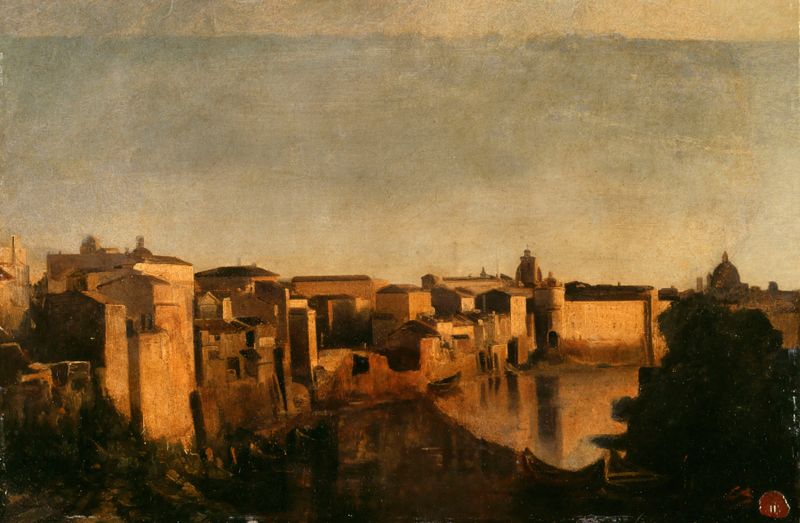
Le Tibre à Rome
Jean-Baptiste Carpeaux
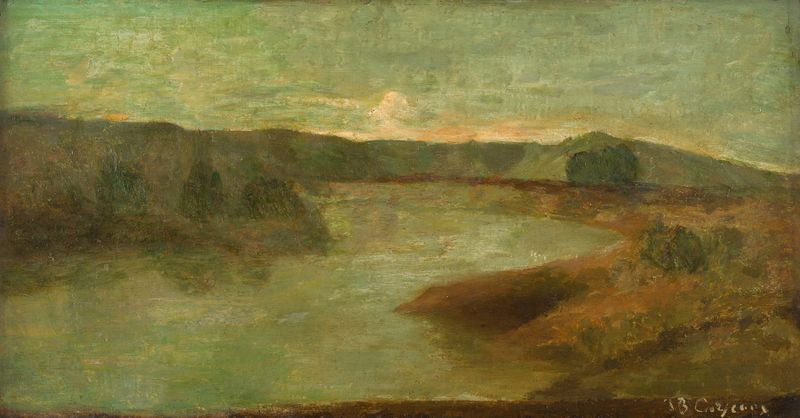
Rivière, Italie
Jean-Baptiste Carpeaux
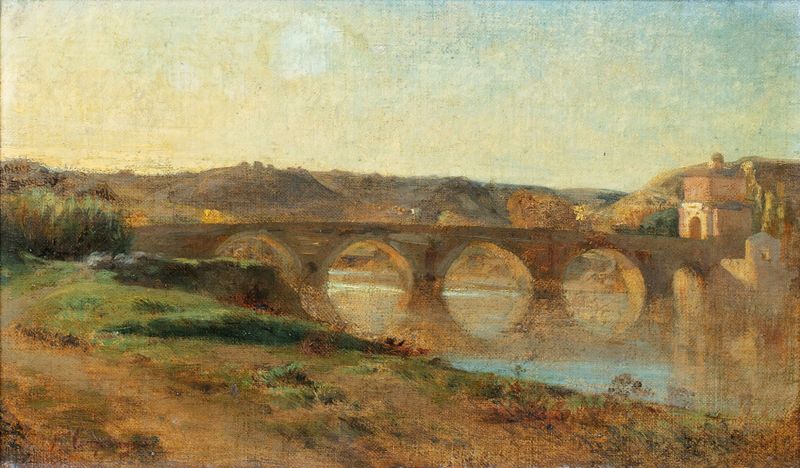
Italian Landscape With Bridge
Jean-Baptiste Carpeaux
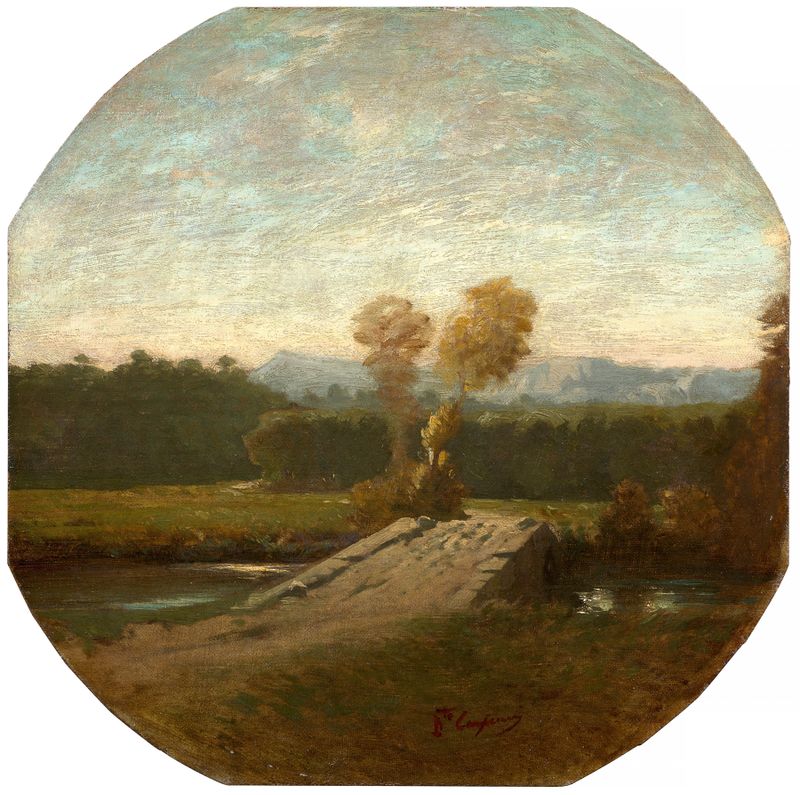
Paysage boisé avec pont et cours d’eau
Jean-Baptiste Carpeaux
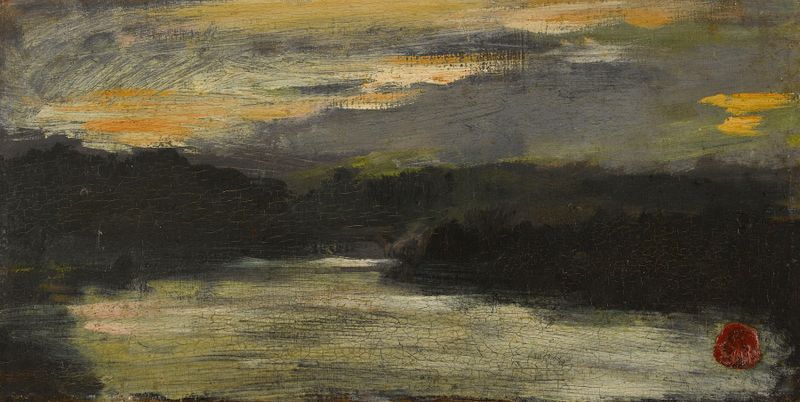
Effet de ciel sur une rivière
Jean-Baptiste Carpeaux
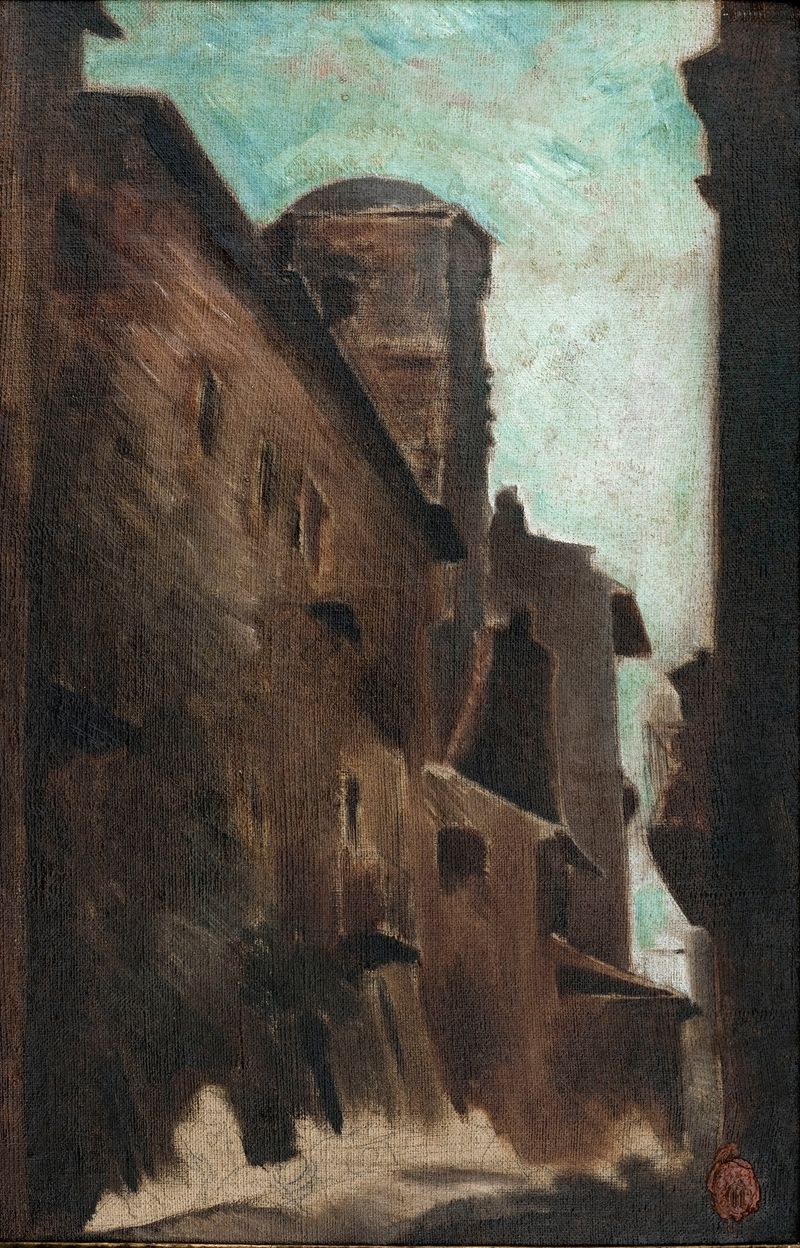
Une rue
Jean-Baptiste Carpeaux

Sunrise
Jean-Baptiste Carpeaux
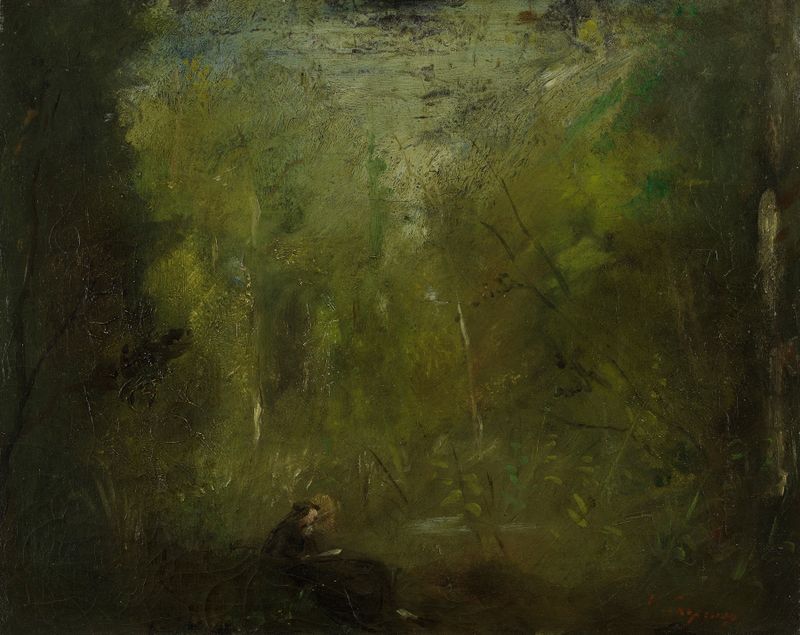
Solitude, la forêt
Jean-Baptiste Carpeaux





