
Une rue — History & Facts
In the vivid world of art, moments of ecstasy linger like whispers, inviting us to lose ourselves in the depths of human experience. Look to the foreground, where the cobblestones glisten, reflecting the transient light that dances across the scene. The vibrant hues of ochre and burnt sienna pulse with life, while figures move gracefully, their gestures suggesting a forgotten joy. Notice how the play of shadows and light creates a dynamic rhythm, pulling your eye toward the bustling energy of the street, where an unspoken connection weaves through the crowd. As you explore further, the contrasts emerge: the laughter of the figures juxtaposed with the solitary lamplight illuminating a nearby window.
Each element speaks to the broader theme of community and isolation. The vibrant brushwork evokes an internal ecstasy, capturing fleeting moments that resonate with the viewer's own memories of connection. The fervor of the scene pulses like a heartbeat, uniting the characters, yet their distinct expressions hint at individual stories, perhaps lost in the thrumming life surrounding them. During the years between 1856 and 1862, the artist found inspiration in the lively streets and social narratives unfolding around him.
Living in a time of dramatic change, Carpeaux was influenced by both the Romantic and Realist movements, seeking to portray the essence of humanity through his work. This painting emerged as a testament to his observation of life’s vibrant interplay amidst the broader cultural shifts of 19th-century France.
More Artworks by Jean-Baptiste Carpeaux
Browse all →
Crépuscule, effet de lune
Jean-Baptiste Carpeaux

Pins parasols en Italie
Jean-Baptiste Carpeaux
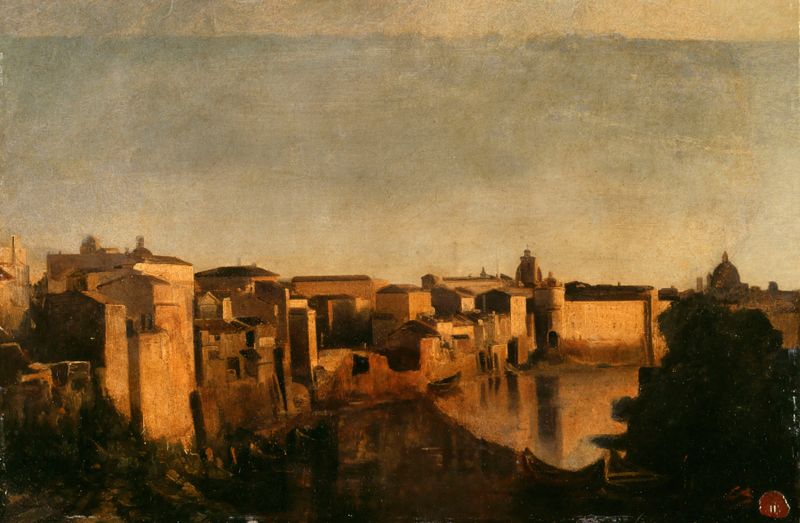
Le Tibre à Rome
Jean-Baptiste Carpeaux
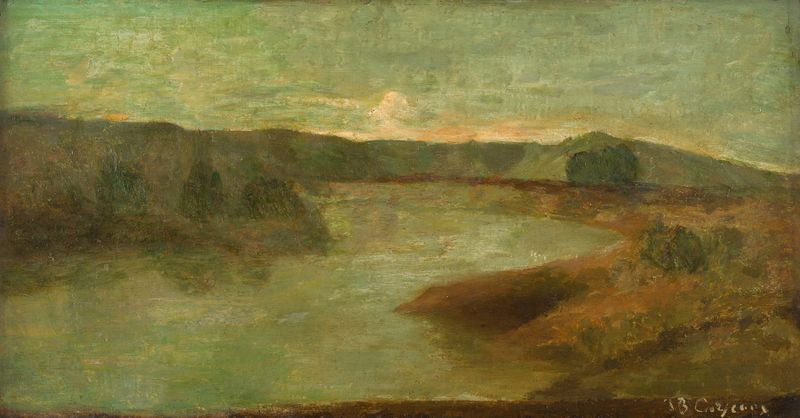
Rivière, Italie
Jean-Baptiste Carpeaux
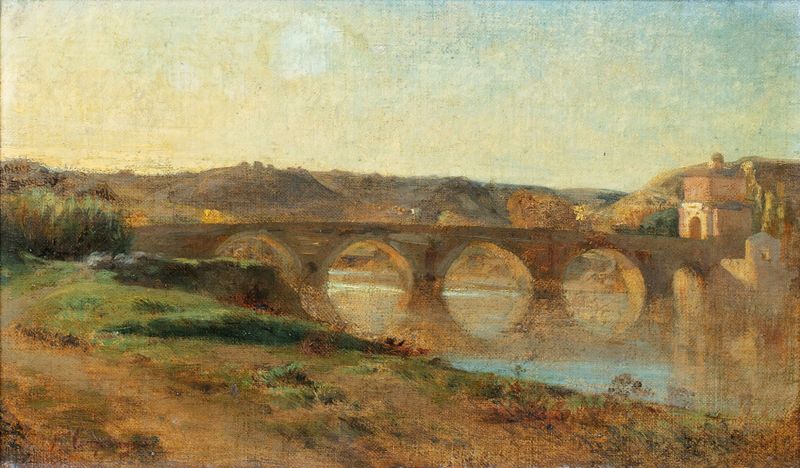
Italian Landscape With Bridge
Jean-Baptiste Carpeaux
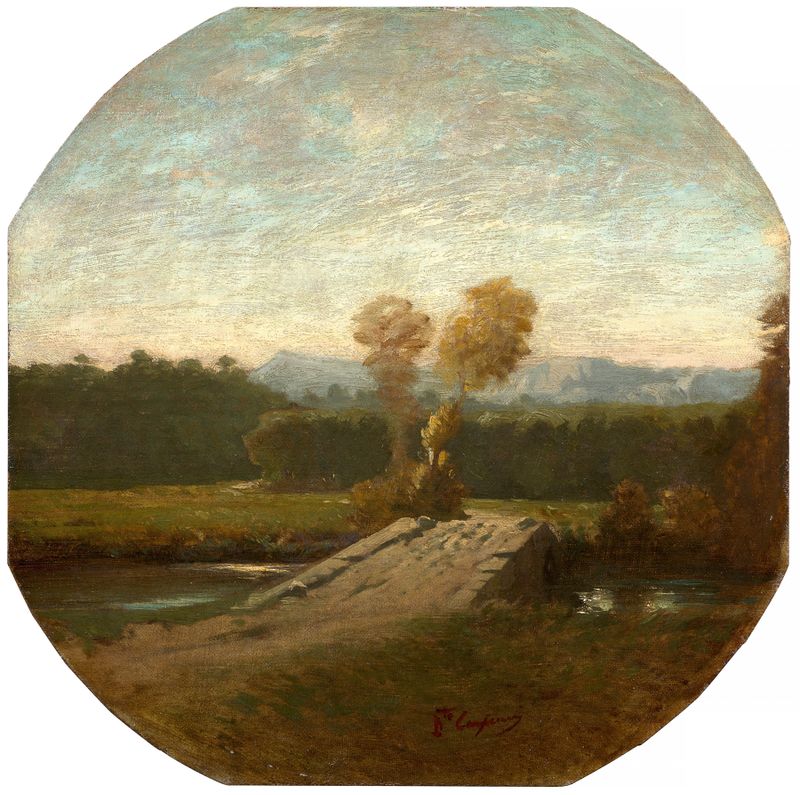
Paysage boisé avec pont et cours d’eau
Jean-Baptiste Carpeaux
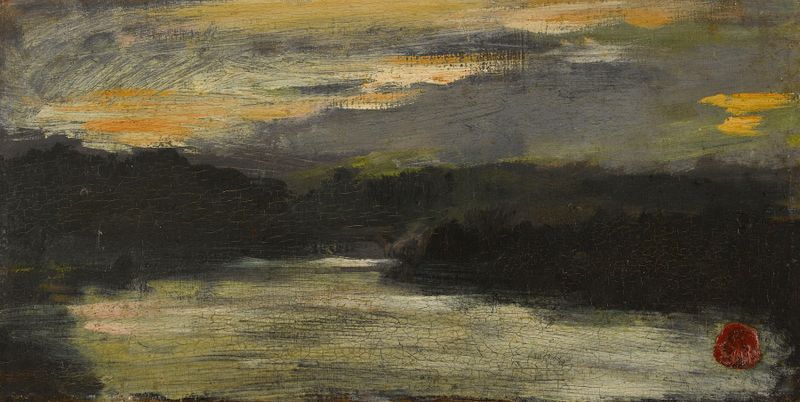
Effet de ciel sur une rivière
Jean-Baptiste Carpeaux

Sunrise
Jean-Baptiste Carpeaux
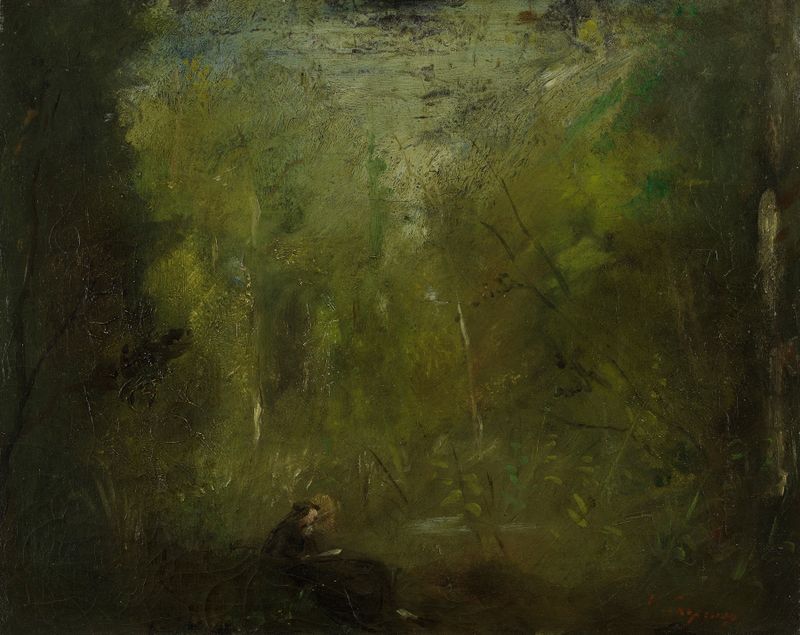
Solitude, la forêt
Jean-Baptiste Carpeaux





