
Le Tibre à Rome — History & Facts
In the stillness of memory, rivers carve their paths through the heart, whispering tales of moments both tender and fleeting. Each brushstroke is a dialogue with time, invoking a sense of nostalgia that floods the senses, wrapping the viewer in its embrace. Look to the foreground, where the soft, flowing currents of the Tiber animate the scene. The delicate interplay of blues and greens captures the river’s reflective surface, while hazy light dances across the water, hinting at the life that ebbs and flows through its depths.
Notice how the figures along the bank are rendered with a sense of reverence, their postures suggesting contemplation or connection, drawing the gaze towards the distant horizon where history and legend intertwine. Hidden within this serene tableau are echoes of longing and the passage of time. The juxtaposition of the tranquil water with the dynamic energy of the human figures evokes a poignant contrast between nature's constancy and the transience of life. Each figure seems to inhabit their own moment, yet they are all part of a collective narrative, creating a bridge between their individual stories and the larger history of Rome itself.
The artist’s choice of a warm palette infuses the scene with a sense of familiarity, inflicting a bittersweet ache for what has come before. Jean-Baptiste Carpeaux created Le Tibre à Rome between 1856 and 1862 during a period of artistic discovery and cultural upheaval in France. At the time, he was grappling with the tensions of the Romantic movement and the emerging realism that sought to depict the world with unyielding honesty. This work reflects not only his personal journey as an artist but also the broader evolution of art, as he found solace and inspiration in the historical resonance of his surroundings.
More Artworks by Jean-Baptiste Carpeaux
Browse all →
Crépuscule, effet de lune
Jean-Baptiste Carpeaux

Pins parasols en Italie
Jean-Baptiste Carpeaux
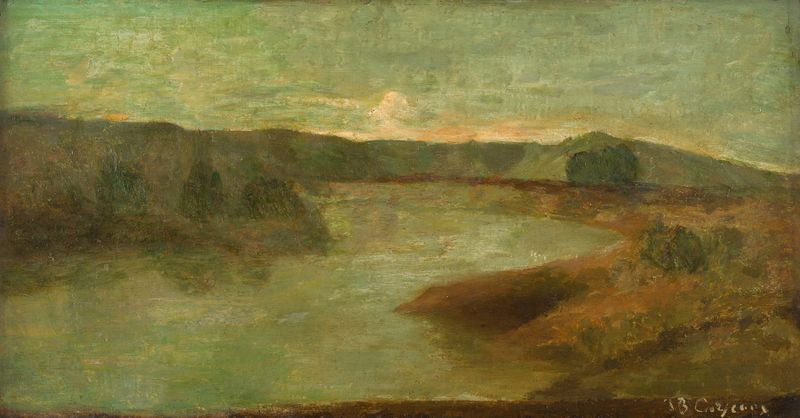
Rivière, Italie
Jean-Baptiste Carpeaux
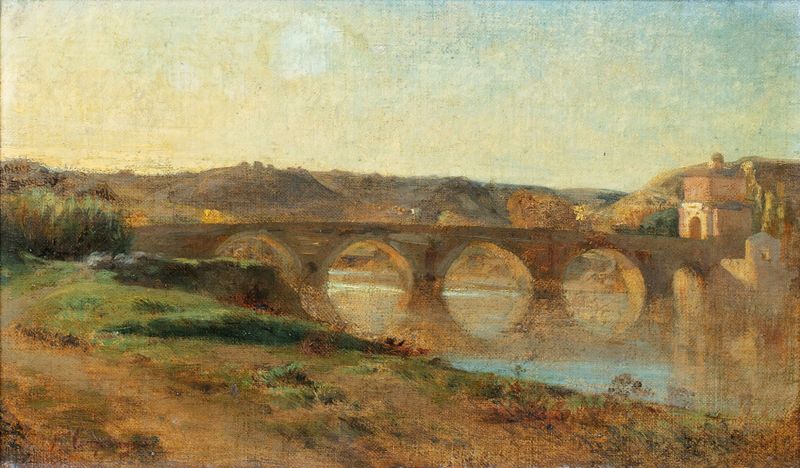
Italian Landscape With Bridge
Jean-Baptiste Carpeaux
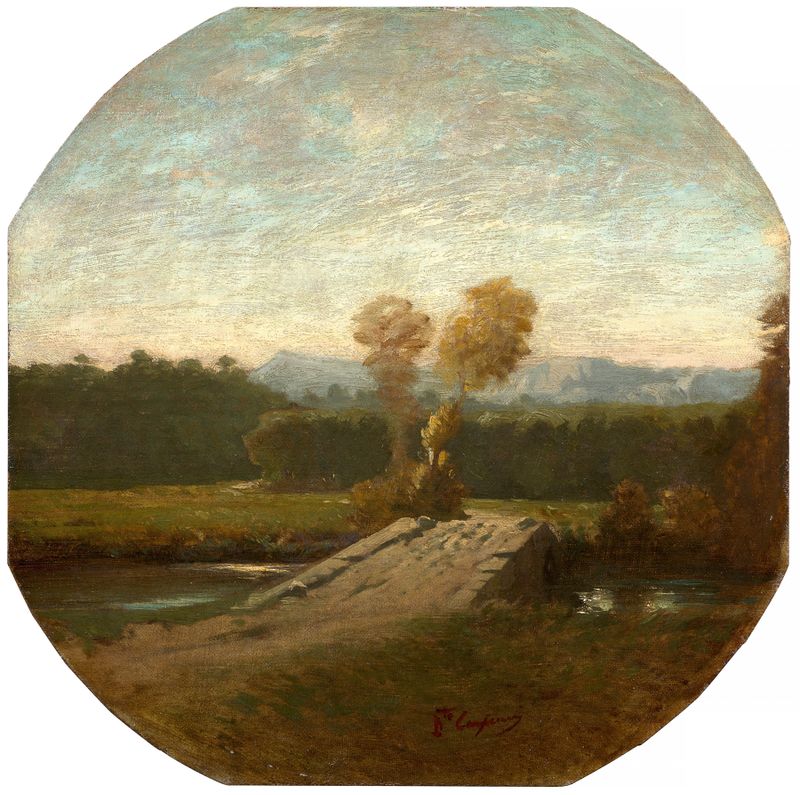
Paysage boisé avec pont et cours d’eau
Jean-Baptiste Carpeaux
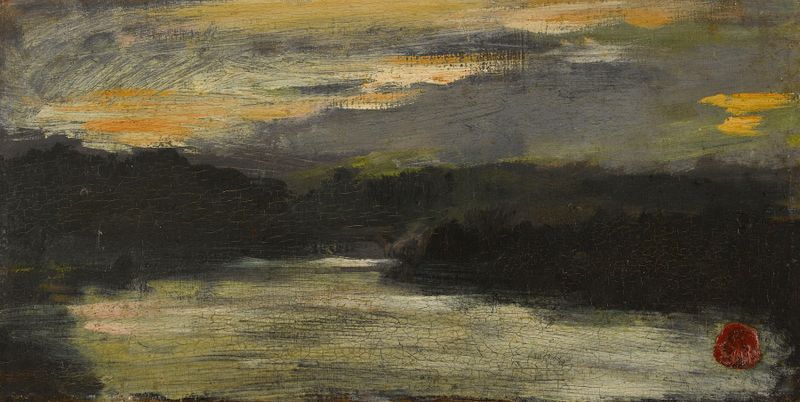
Effet de ciel sur une rivière
Jean-Baptiste Carpeaux
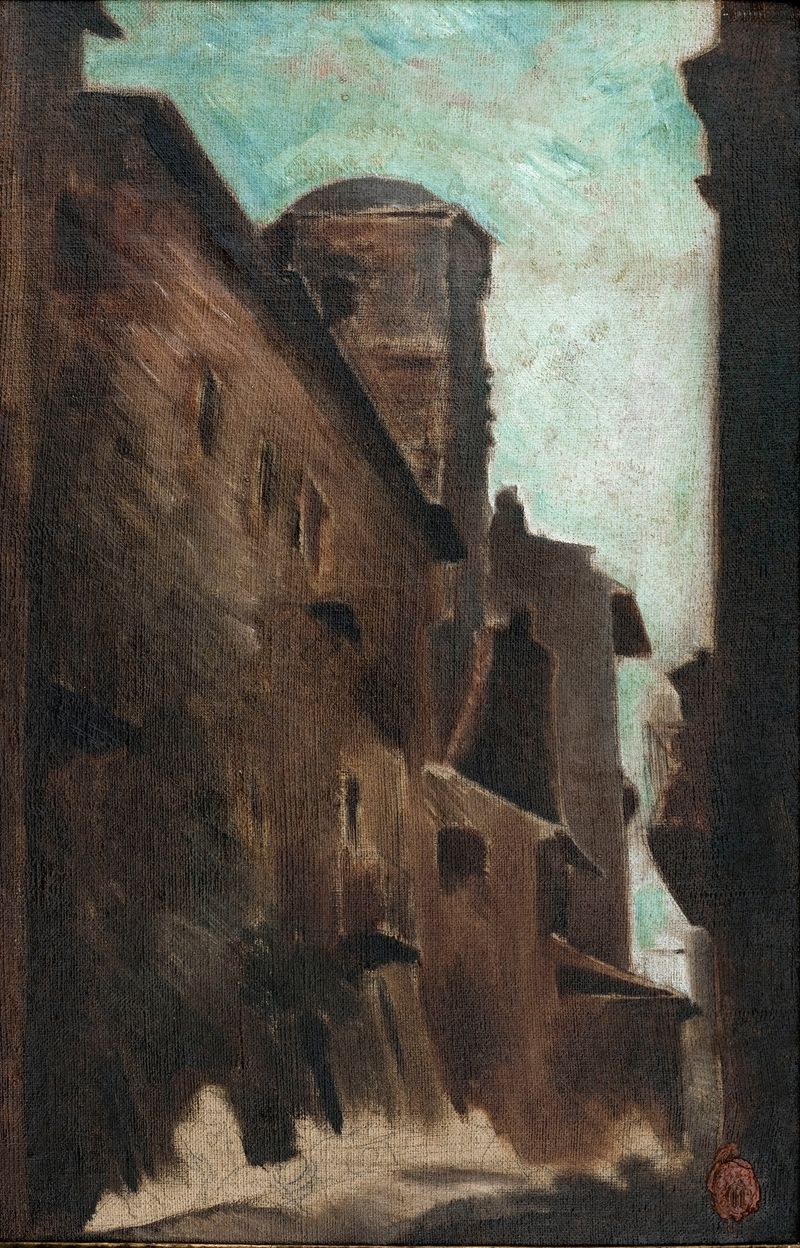
Une rue
Jean-Baptiste Carpeaux

Sunrise
Jean-Baptiste Carpeaux
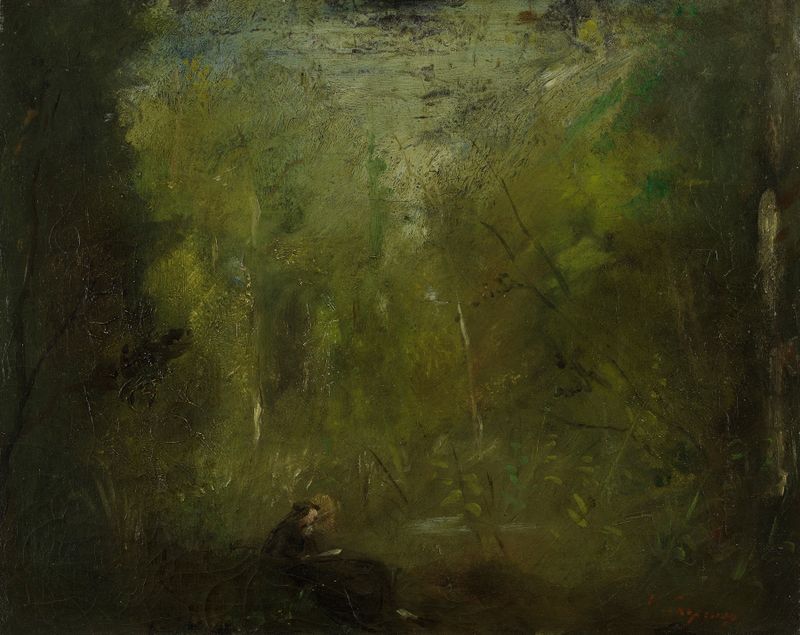
Solitude, la forêt
Jean-Baptiste Carpeaux





