
Crusaders Gate, Nicea — History & Facts
Could beauty survive in a century of chaos? This haunting question lingers in the mind as one gazes upon the intricate details captured in the artwork. The somber tones and delicate brushwork evoke a sense of melancholy, inviting reflection on the passage of time and the fragility of human endeavor amid turbulence. Look to the left at the crumbling stone archway that stands solemnly against a backdrop of muted greens and browns. The artist's meticulous attention to texture brings the ancient stones to life, their surfaces etched with the weight of centuries.
Notice how the interplay of light and shadow dances across the structure, casting ethereal highlights that breathe a flicker of hope into the desolation. Every stroke seems to whisper tales of those who once passed through this gate, bridging history and memory with an almost tangible presence. Deep within this scene, contrasts surface in the juxtaposition of nature and architecture. The vibrant foliage encroaching upon the gate hints at nature's reclamation, a powerful reminder of its persistent resilience against human constructs.
Yet, the stillness of the scene holds an unmistakable sorrow; the grandeur of the gate, once a threshold of significant journeys, now stands as a mere relic of what was, provoking thoughts about the impermanence of all things beautiful. While the exact date remains unknown, this creation by Miner Kilbourne Kellogg emerged during a period marked by great artistic exploration in the mid-19th century. Living in an era defined by the turbulence of social change and the Industrial Revolution, Kellogg’s focus on historical themes reflected a longing for past glories amidst the growing chaos of modernity. His works serve as a bridge, connecting viewers to a world both lost and still resonantly alive in memory.
More Artworks by Miner Kilbourne Kellogg
Browse all →
General Andrew Jackson
Miner Kilbourne Kellogg
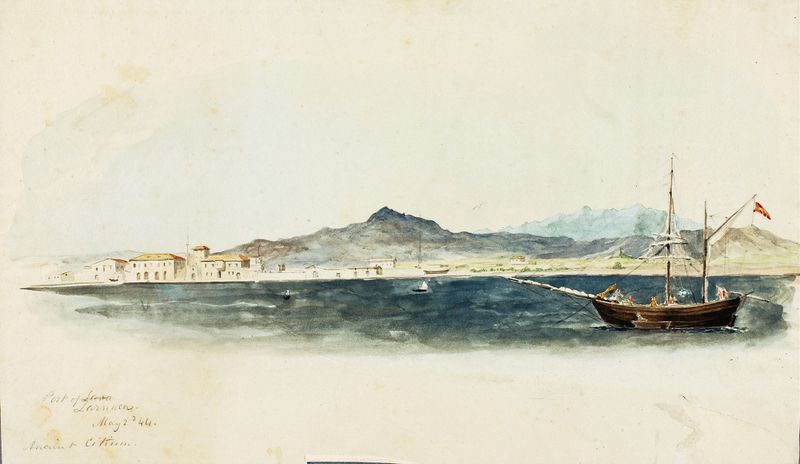
Port of Larnaca
Miner Kilbourne Kellogg
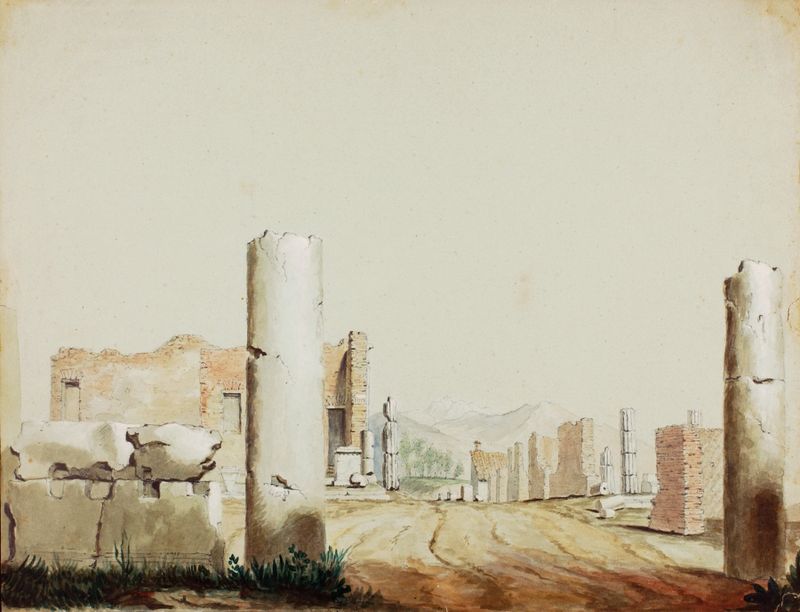
Pompeii, Italy
Miner Kilbourne Kellogg
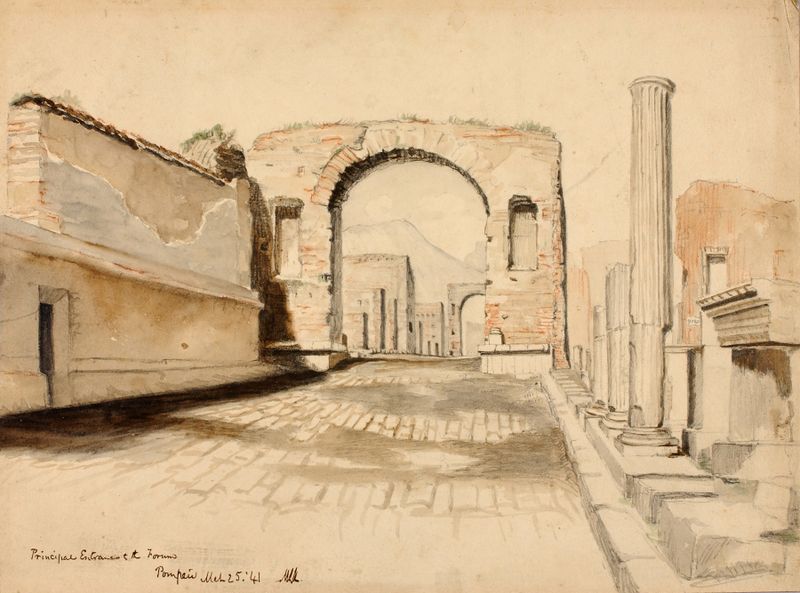
Principal Entrance To The Forum, Pompeii
Miner Kilbourne Kellogg

Tomb of Virgil, Naples
Miner Kilbourne Kellogg

Ancient And Modern Egypt
Miner Kilbourne Kellogg

Adalia, Asia Minor
Miner Kilbourne Kellogg

Fire Island Lighthouse
Miner Kilbourne Kellogg

Saltwood Castle
Miner Kilbourne Kellogg

Glacier And Falls
Miner Kilbourne Kellogg





