
Cuenca — History & Facts
Could beauty survive in a century of chaos? Look closely at the delicate interplay of light and shadow within this landscape. The gentle hues of ochre and green sweep harmoniously across the canvas, guiding your gaze toward the distant mountains that rise with a majestic grace. Notice how the strokes of the brush mimic the soft whispers of the wind, creating a sense of movement amid the tranquil scene.
The vibrant sky, brushed with soft blues and pinks, envelops the horizon, instilling a nostalgic longing for a simpler time. Beneath the serene surface lies a profound tension between the idyllic portrayal of nature and the turbulent period in which it was created. The juxtaposition of the calm landscape with an unclear future hints at the uncertainty felt by many during the mid-19th century. Each element, from the solitary figure in the foreground to the distant village nestled among the trees, speaks to the fragility of beauty in a world on the brink of industrial upheaval.
This painting captures not only the landscape of Cuenca but also the emotional landscape of a society grappling with change. Peter Burnitz painted this remarkable work in 1850, during a time when Europe was undergoing significant political and social transformations. Having moved from Germany to an increasingly fragmented Spain, Burnitz found inspiration in the landscapes he encountered. The mid-19th century was marked by the rise of Romanticism, where artists sought to evoke emotion and convey deeper truths about the human experience, all of which is reflected in this poignant representation of Cuenca.
More Artworks by Peter Burnitz
Browse all →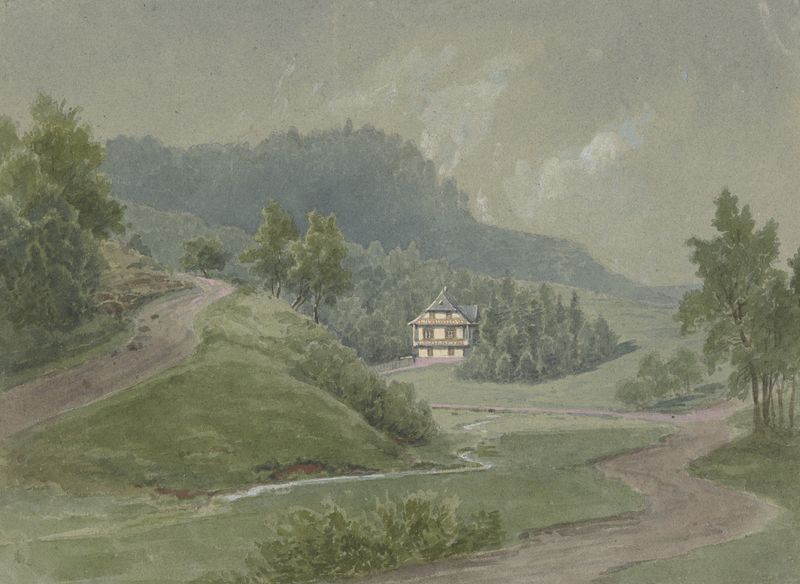
Partie aus dem Odenwald
Peter Burnitz

Seine-Ufer bei Fontainebleau
Peter Burnitz
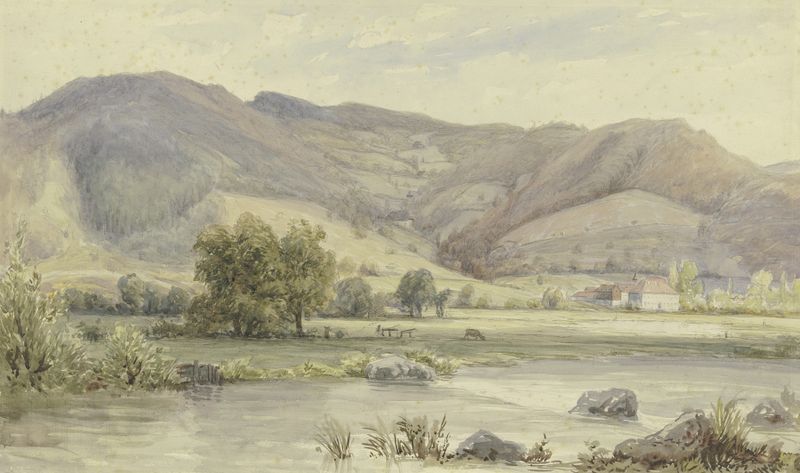
Flusslandschaft mit hohen Bergen
Peter Burnitz
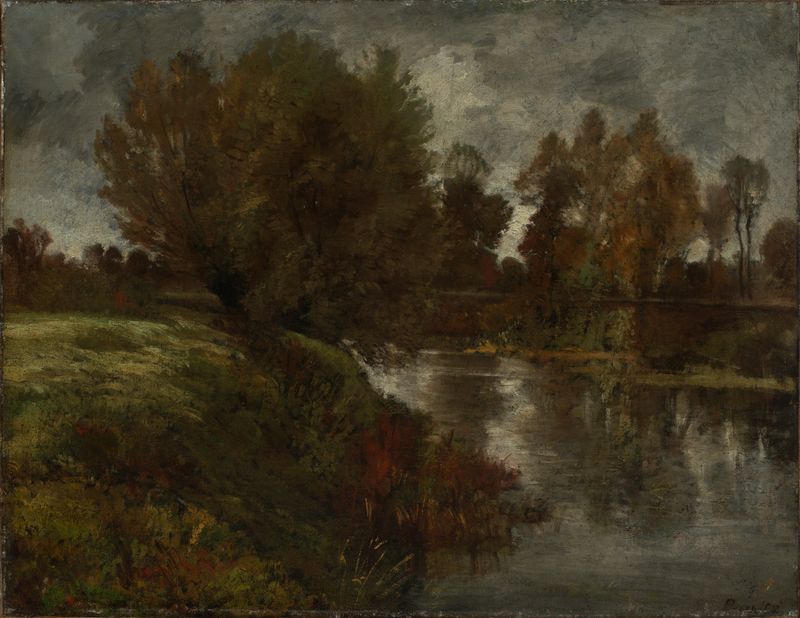
Regenstimmung an der Nidda
Peter Burnitz

Autumn landscape near the Taunus
Peter Burnitz

Suburbs of Segovia
Peter Burnitz
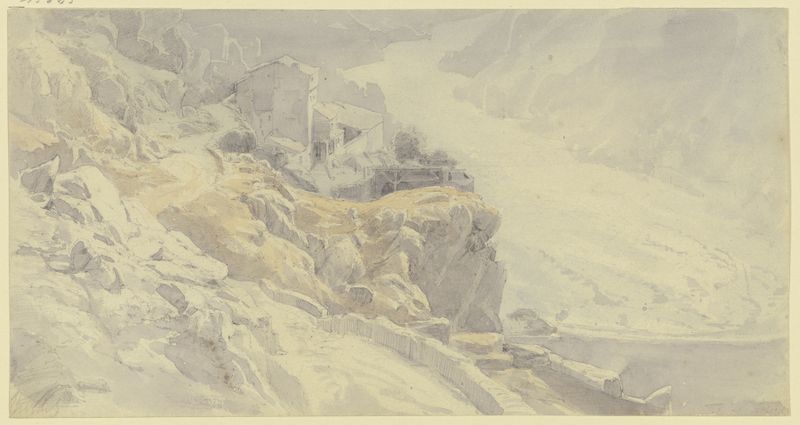
Blick vom Gebirge auf ein Flußtal in Spanien
Peter Burnitz
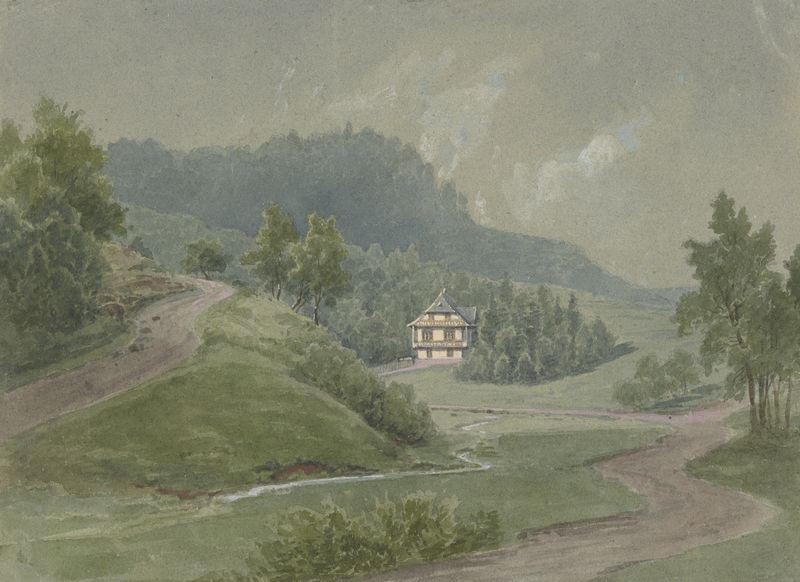
Section of the Odenwald
Peter Burnitz
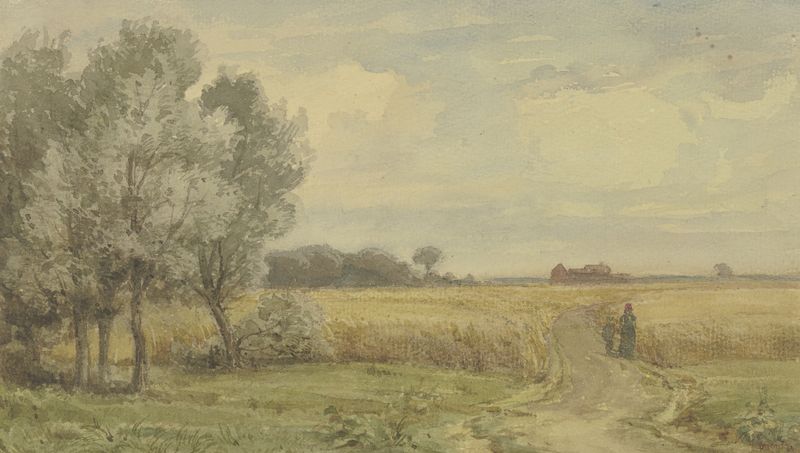
Cornfield in the summer
Peter Burnitz
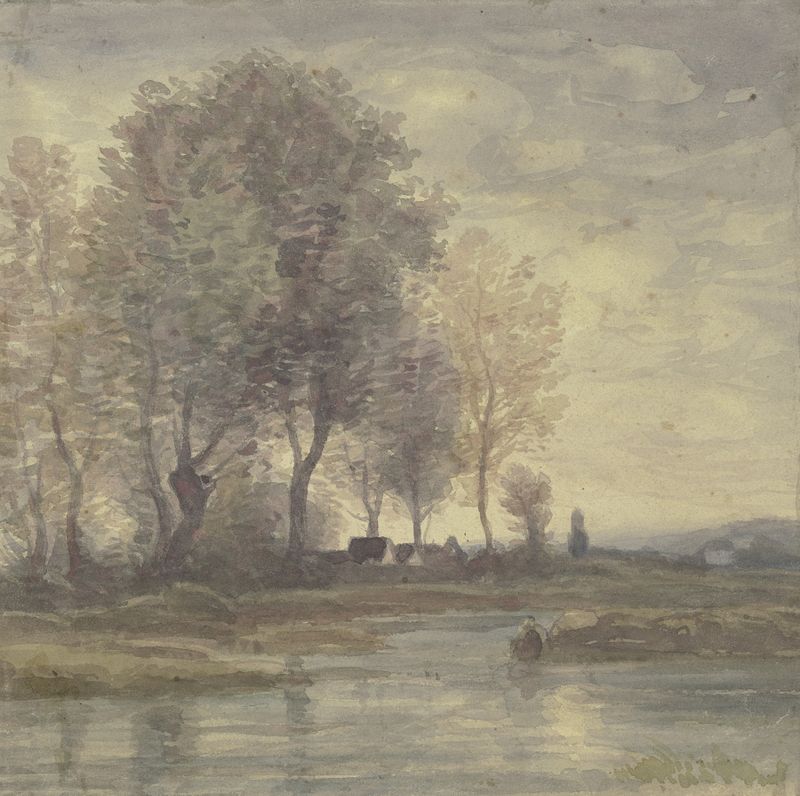
Gewässer mit Bauernhäusern unter hohen Bäumen
Peter Burnitz





