
Daniël in de leeuwenkuil — History & Facts
In an age where memories fade and history blurs, the act of capturing a moment becomes a powerful defiance against time’s relentless march. Look to the center of the composition, where a figure stands poised amid the tumult of danger. The lion, fierce and imposing, is rendered with a striking realism that contrasts sharply against the soft palette of the background. Notice how the light cascades from an unseen source, illuminating the dramatic expressions on the faces surrounding the central figures.
The rich textures of the lion’s mane are contrasted with the smoothness of Daniël's skin, evoking both tension and fragility in this moment of peril. Beneath the surface, this painting speaks to the dichotomy of human courage and vulnerability. The way the characters are positioned suggests a range of emotions—from fear to awe—each person grappling with their own response to the spectacle. The interplay of shadows and light not only highlights the physical struggle but also suggests an internal conflict; the viewer is left to ponder the nature of faith and resilience in the face of overwhelming odds. Jonas Umbach created this work during his time in the Netherlands, a period marked by artistic exploration and the rise of Baroque influences.
Between 1634 and 1693, he found himself in a vibrant artistic community, where the blending of spirituality and dramatic narrative became a hallmark of his style. Amidst this cultural backdrop, Umbach’s portrayal of Daniël serves as a reminder of the eternal struggle between humanity and its fears, encapsulating the essence of an era that revered both art and storytelling.
More Artworks by Jonas Umbach
Browse all →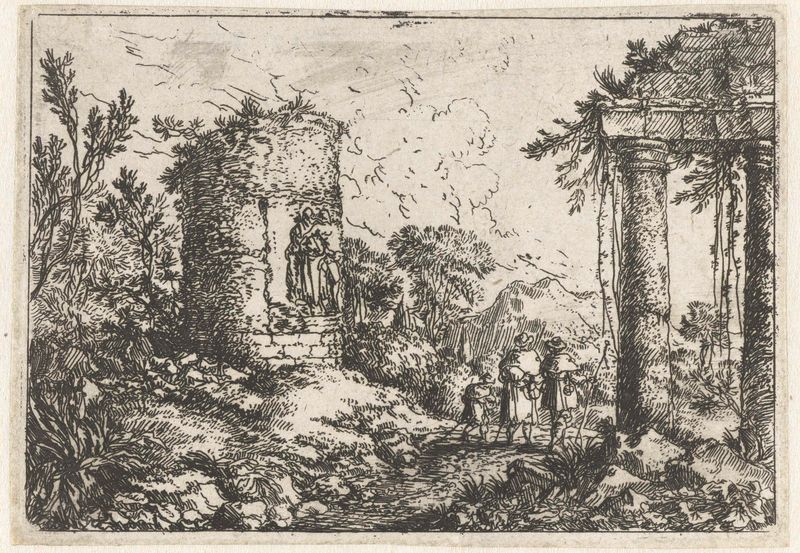
Landschap met ruïnes en drie pelgrims
Jonas Umbach

Johannes de Doper water drinkend
Jonas Umbach

Heilige Antonius van Padua en zijn visioen van het Christuskind
Jonas Umbach
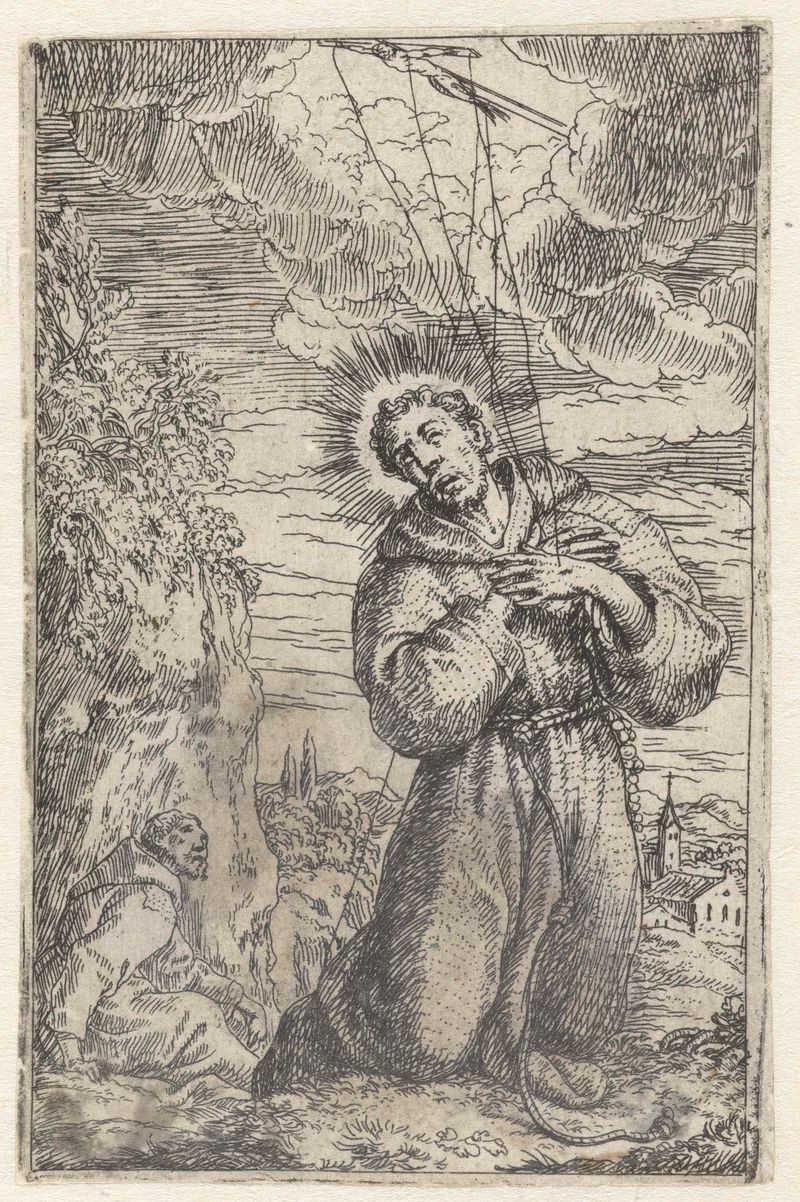
Stigmatisatie van heilige Franciscus
Jonas Umbach
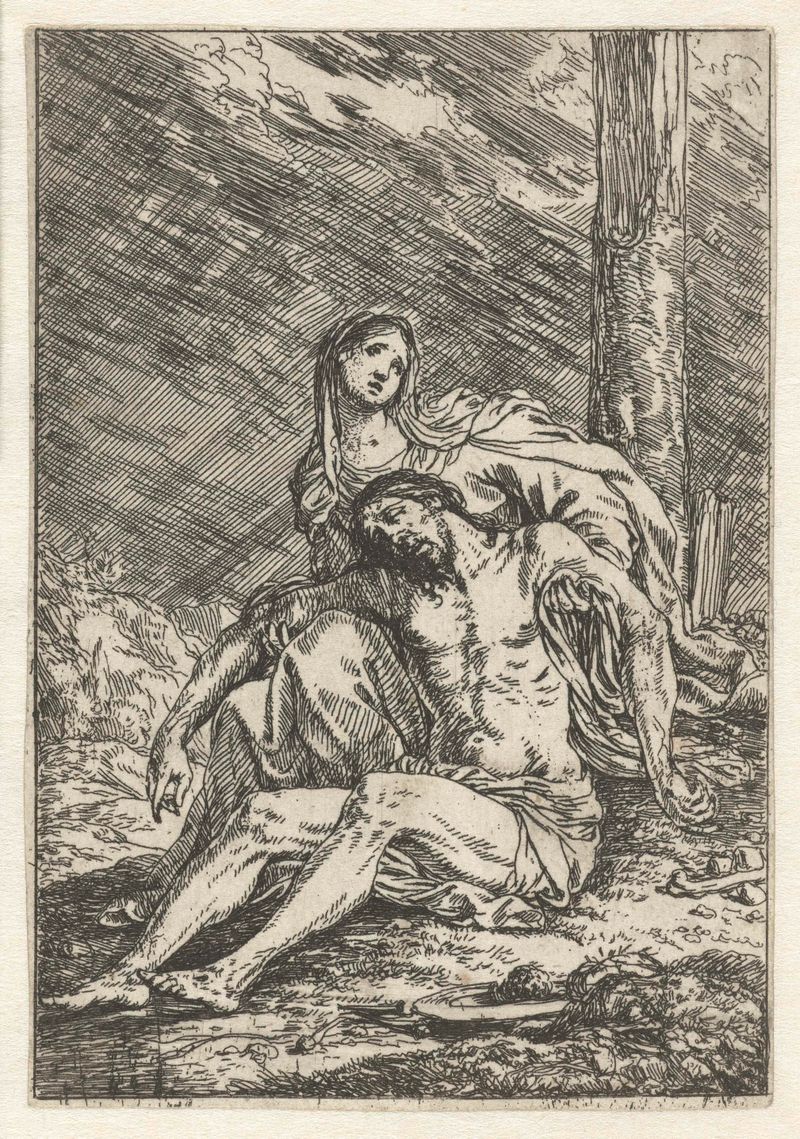
Maria met het lichaam van Christus (Pietà)
Jonas Umbach

Stigmatisatie van heilige Franciscus
Jonas Umbach
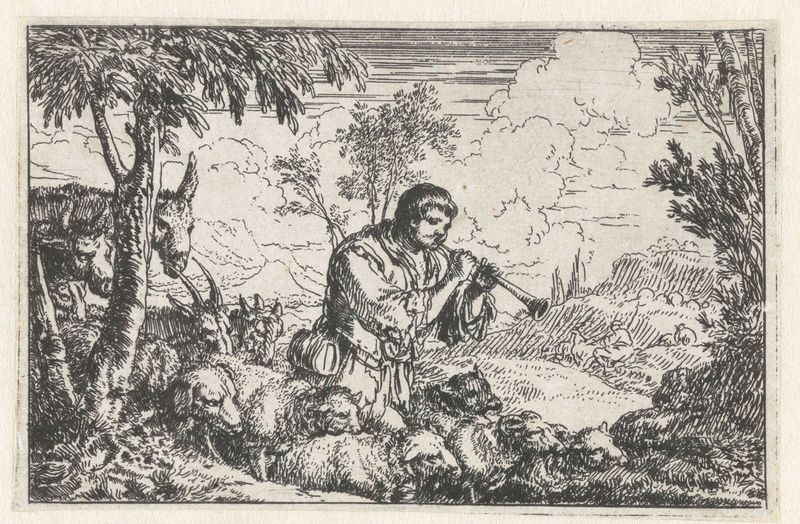
Schalmeispelende herder met kudde
Jonas Umbach
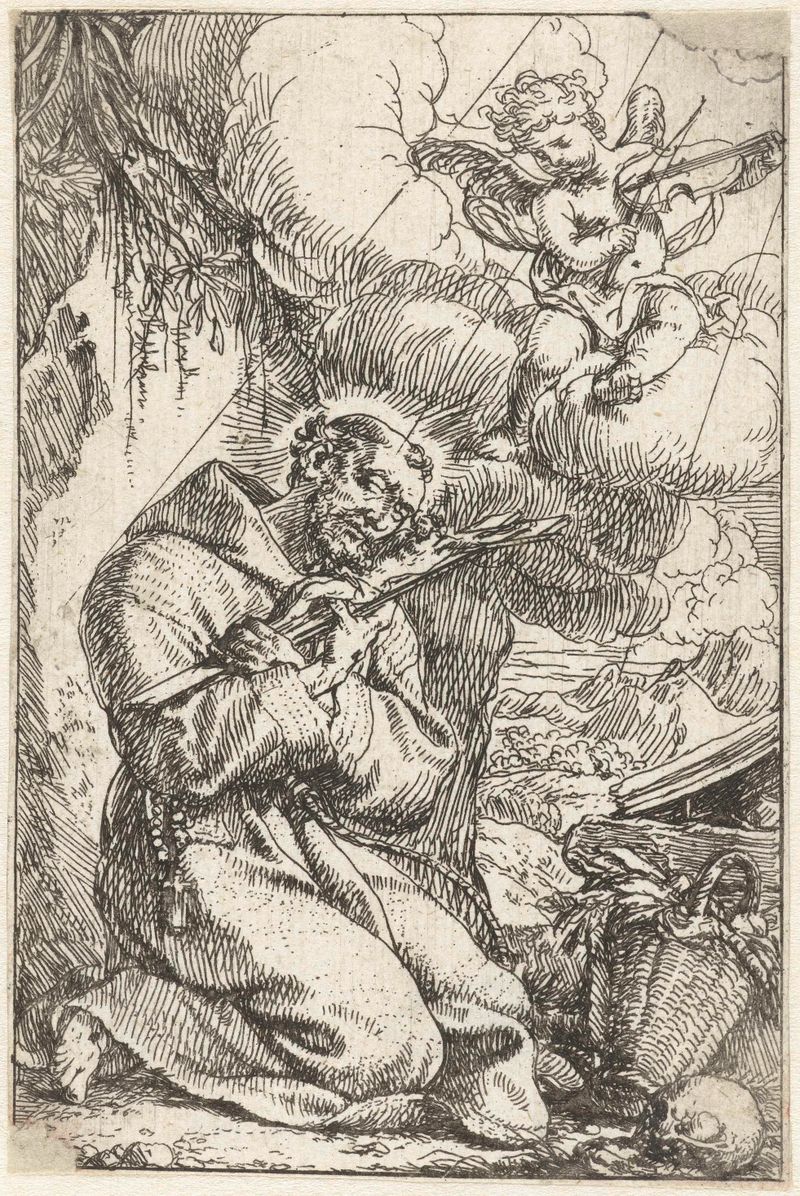
Heilige Franciscus het kruis kussend
Jonas Umbach
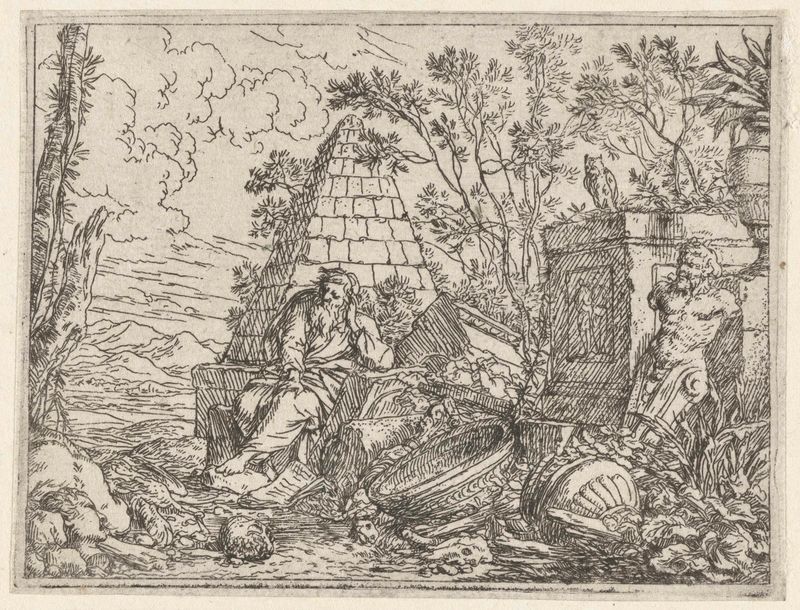
Democritus mediterend
Jonas Umbach

Twee rustende jagers met hun honden en buit
Jonas Umbach
More Historical Art
Browse all →
The Night Watch Militia Company of District II under the Command of Captain Frans Banninck Cocq
Rembrandt van Rijn

Lincoln Memorial
Henry Bacon

The Third of May 1808
Francisco de Goya

Isaac and Rebecca, Known as ‘The Jewish Bride’
Rembrandt van Rijn

The Charge of the Mamelukes (1814)
Francisco de Goya

De vier ruiters van de apocalyps
Albrecht Dürer