
Daryal pass. Moonlight Night — History & Facts
The first thing that seizes the eye in Daryal pass. Moonlight Night is the improbable clarity of the moon, suspended above a chasm of shadowed mountains. The light is not scattered but concentrated, a single white coin illuminating the silent drama of the Caucasus.
Kuindzhi draws the viewer into the scene by letting the moon’s reflection carve a bright, silvery path across the water, a visual invitation to step into the cool, hushed air of the pass. The mountains, painted in deep blues and purples, loom like ancient sentinels, their forms barely distinguished from the darkness, while the scattered rocks in the foreground anchor the composition in tangible earth. Painted between 1890 and 1895, this work belongs to a period when Russian landscape painters sought to capture the grandeur and mystery of their homeland’s wild places. The Daryal Pass, a historic gateway between Russia and Georgia, had long been a symbol of both danger and awe.
Artists like Kuindzhi were fascinated by the play of light in nature, and here he chooses the moon as his protagonist, creating a scene that is both precise in its observation and almost otherworldly in mood. History has kept few traces of this painting’s early journey, but its luminous silence speaks to a late nineteenth-century fascination with the borderlands—places where nature’s forces seemed to dwarf human ambition. Let your gaze linger on the water’s glow, and imagine the world just beyond the pass, waiting in darkness.
More Artworks by Arkhip Ivanovich Kuindzhi

Red Sunset on the Dnieper
Arkhip Ivanovich Kuindzhi
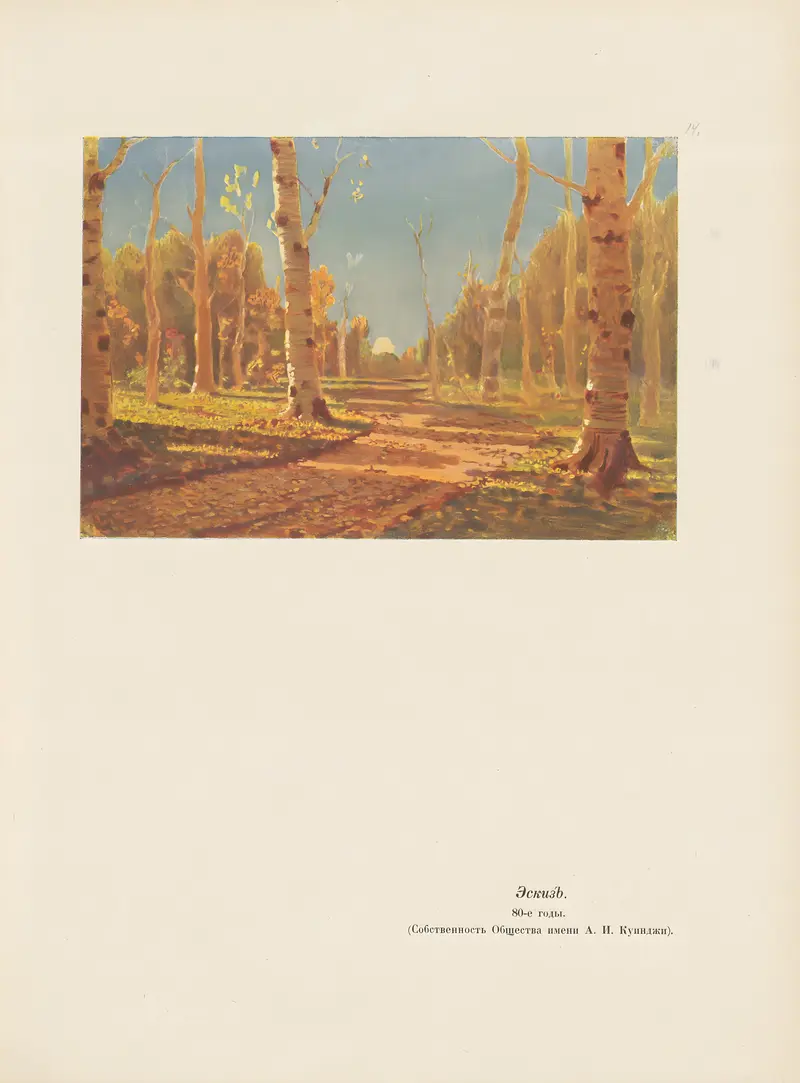
A. I. Kuindž Pl.09
Arkhip Ivanovich Kuindzhi
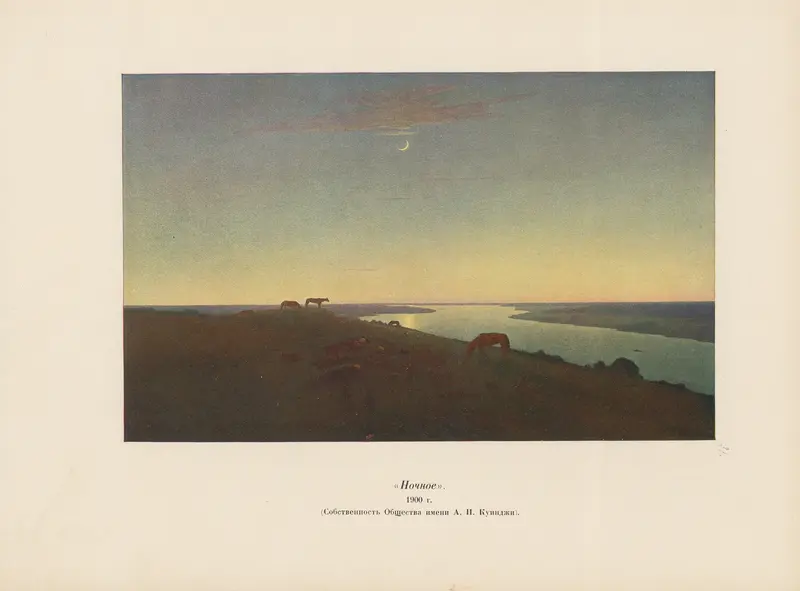
A. I. Kuindž Pl.26
Arkhip Ivanovich Kuindzhi
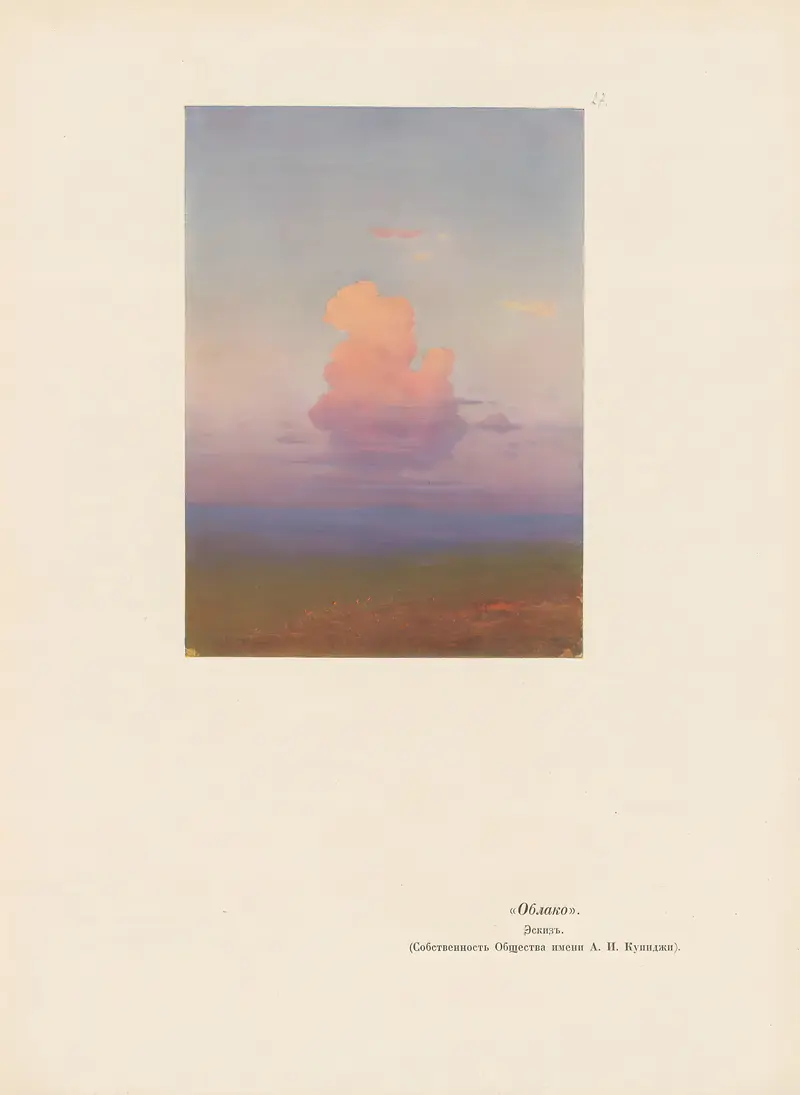
A. I. Kuindž Pl.22
Arkhip Ivanovich Kuindzhi
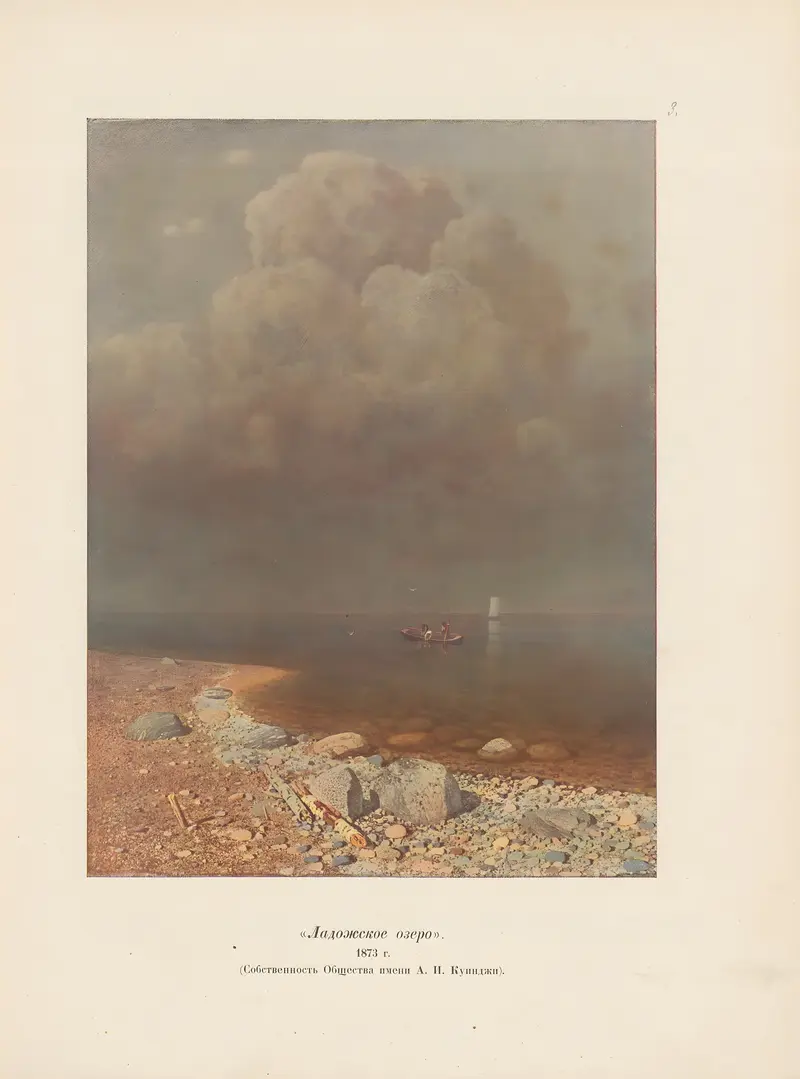
A. I. Kuindž Pl.01
Arkhip Ivanovich Kuindzhi
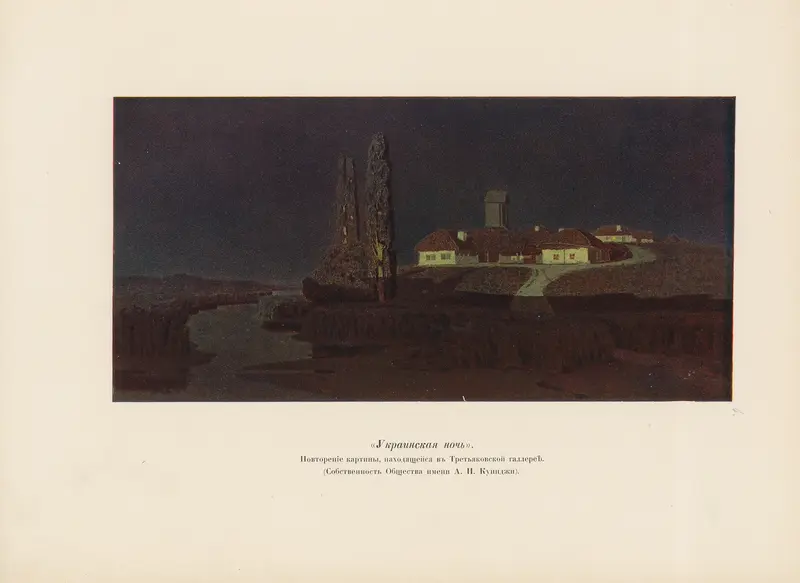
A. I. Kuindž Pl.03
Arkhip Ivanovich Kuindzhi
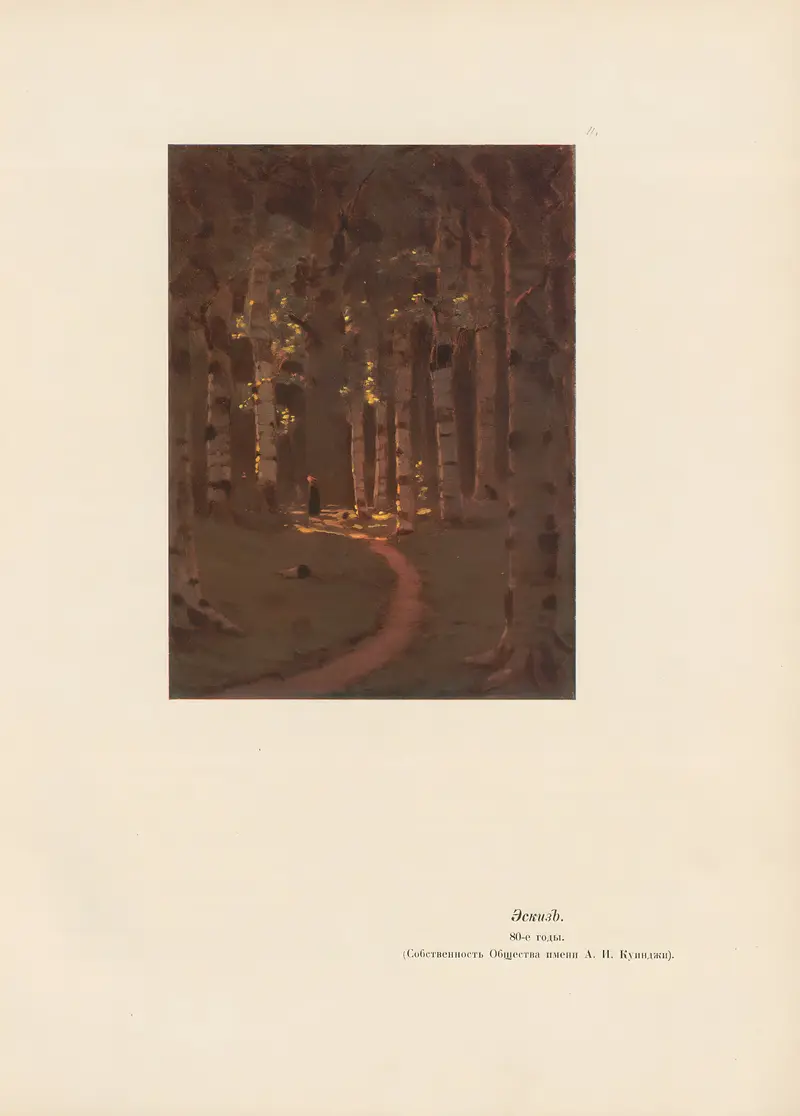
A. I. Kuindž Pl.06
Arkhip Ivanovich Kuindzhi
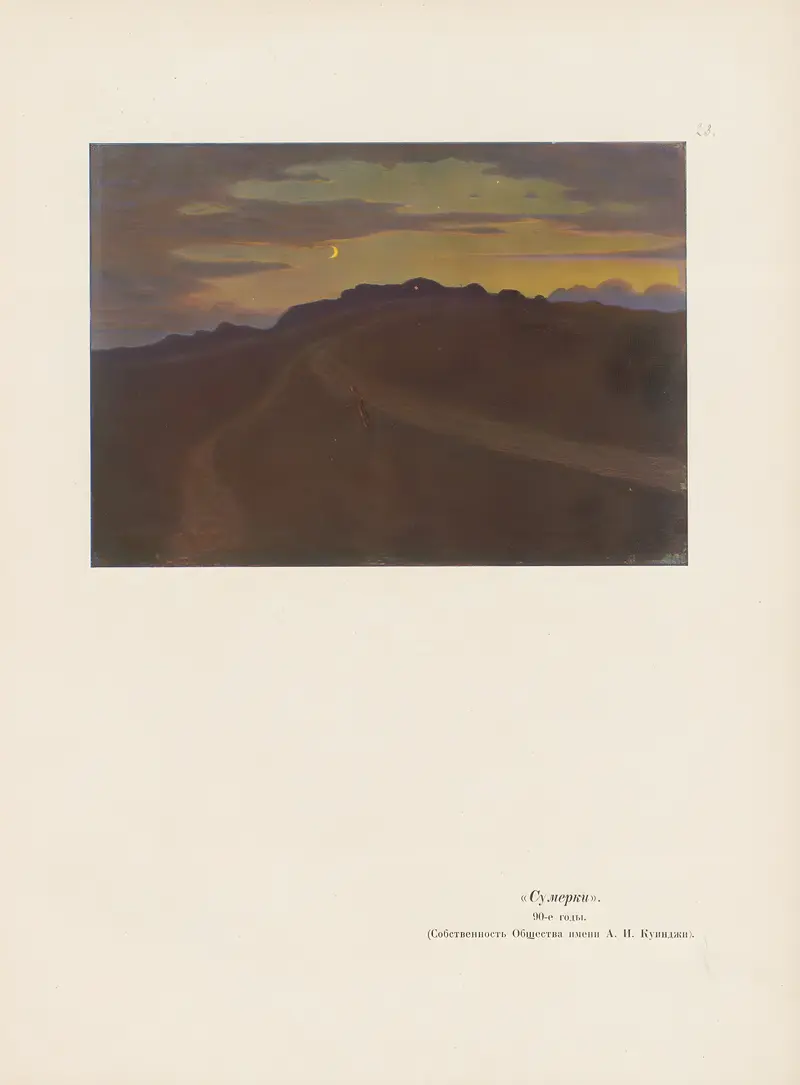
A. I. Kuindž Pl.18
Arkhip Ivanovich Kuindzhi
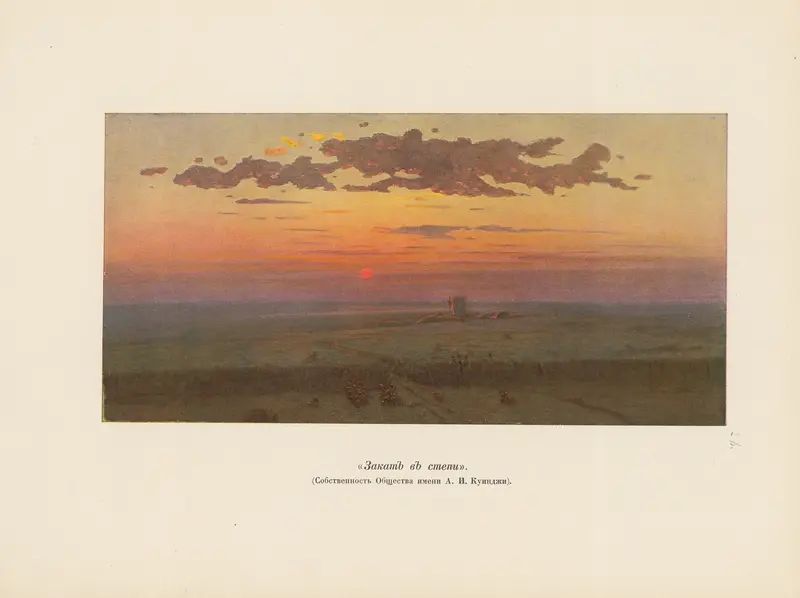
A. I. Kuindž Pl.21
Arkhip Ivanovich Kuindzhi

A. I. Kuindž Pl.12
Arkhip Ivanovich Kuindzhi
More Landscape Art

The Starry Night
Vincent van Gogh

View of Delft
Johannes Vermeer

Water Lilies
Claude Monet

The Grand Canal, Venice, looking north-west from the Ca' Corner to the Ca' Contarini degli Scrigni, with the campanile of Santa Maria della Carità
Canaletto

Windsor Castle
Canaletto

The Grand Canal looking North-East from the Palazzo Dolfin-Manin to the Rialto Bridge
Canaletto