Das Dorf Matarije — History & Facts
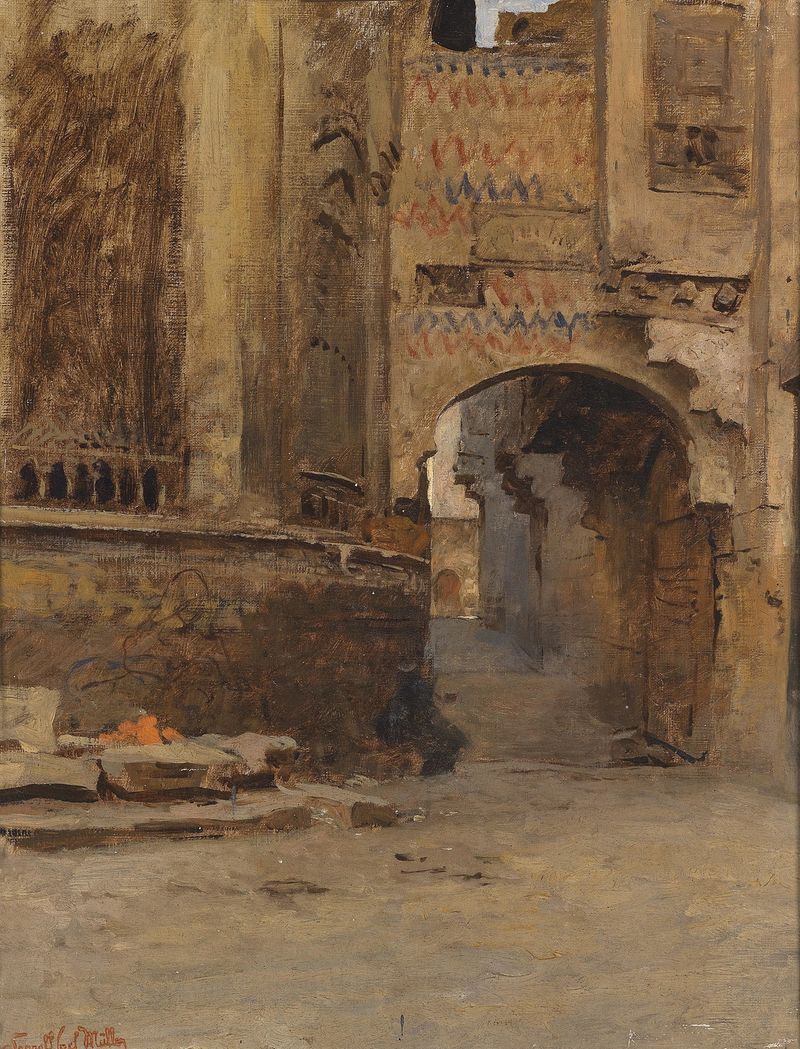
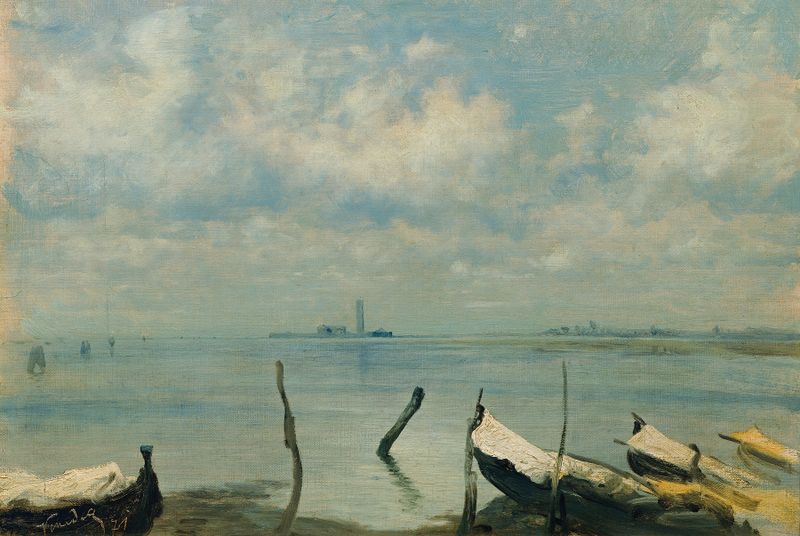
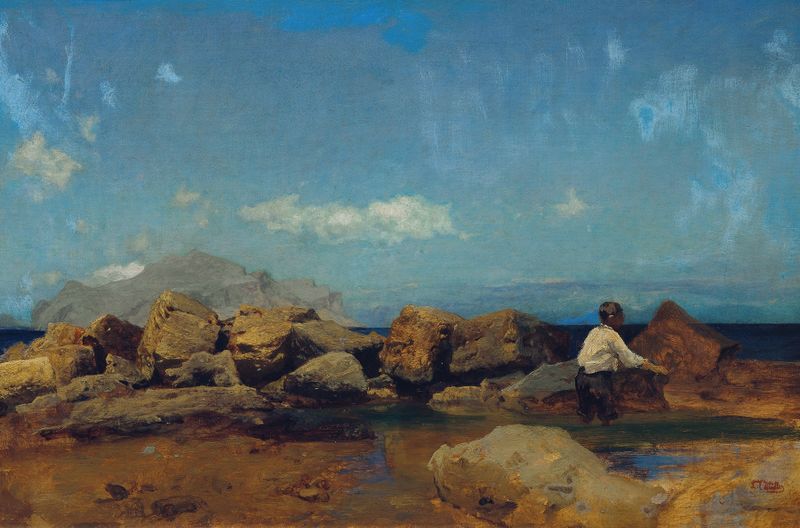
In art, revelation often emerges from the most unexpected spaces, transforming our understanding of the world. Look closely at the vibrant colors that dance across the canvas, drawing you into a scene alive with pastoral life. Notice how the sunlight bathes the village of Matarije in warm, golden tones, illuminating the rooftops and casting gentle shadows that stretch across the cobblestone streets. The artist employs a dynamic brushstroke technique that gives the impression of movement, as if the villagers are engaged in a daily rhythm, weaving together the fabric of their community. Amidst the tranquility lies a deeper tension; the harmonious landscape contrasts with the underlying struggles of rural life.
The lively figures—women carrying baskets, children playing—hint at a bustling society, yet their expressions carry a weight of unspoken stories. The vibrant green foliage and distant mountains serve as a reminder of nature's beauty and the harsh realities the villagers face in their pursuit of sustenance and connection. In 1875, during a time of great change in Europe, Müller painted this work while exploring the Austrian countryside. He was deeply influenced by the Romantic movement, which celebrated the beauty of nature and everyday life.
This period marked a transition in Müller’s career as he sought to capture the essence of communal life and the complex relationship between humanity and its environment, making Das Dorf Matarije a poignant reflection of both the artist's vision and the era's cultural context.