Straße Birket el-Kherum in Kairo — History & Facts
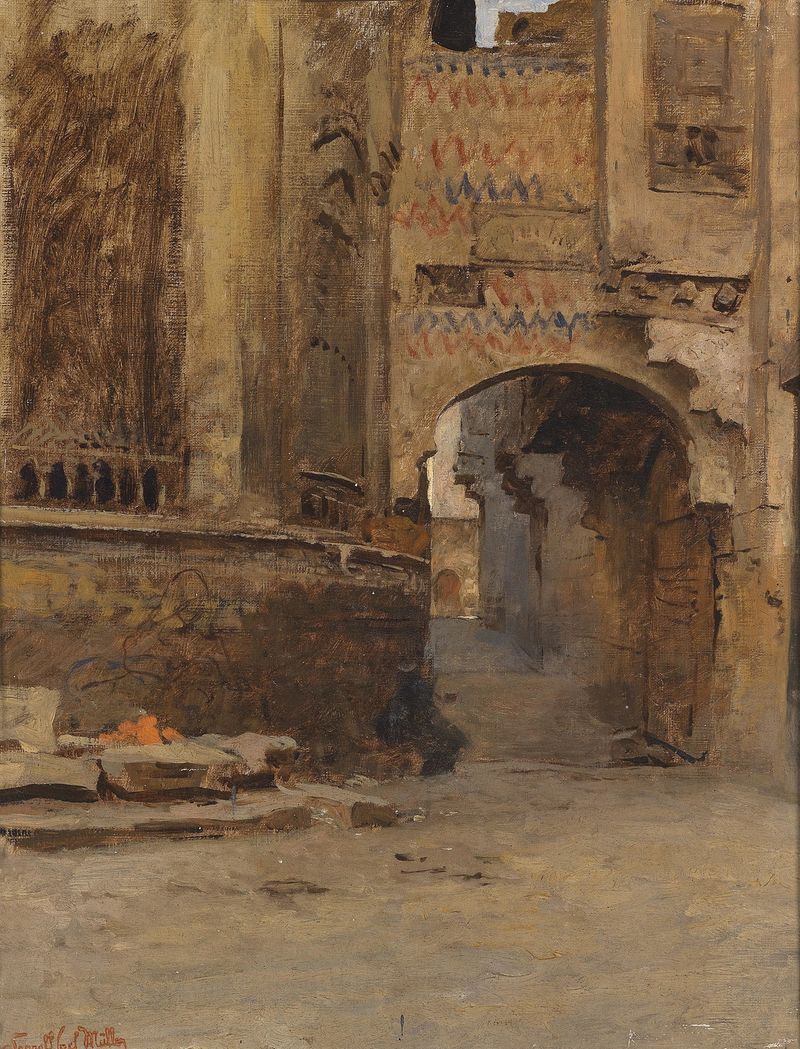
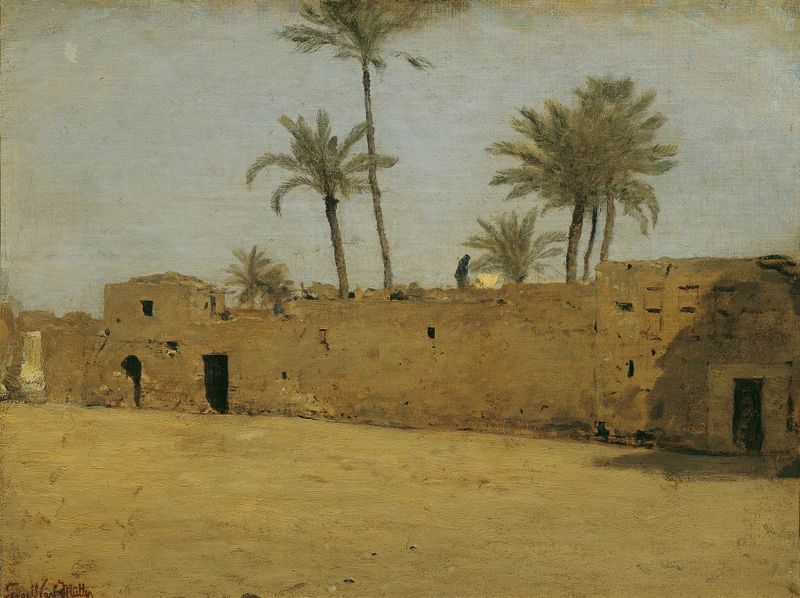
In the dance of color across the canvas, we find unspoken truths waiting to be revealed. Each hue whispers tales of life, evoking emotions that ripple through the viewer’s soul. Look to the vibrant blues and ochres that dominate the scene, drawing your gaze into the depths of the artist’s vision. Notice how the sunlight bathes the cobblestone streets, casting intricate shadows that tell of movement and stillness.
The juxtaposition of crisp edges and soft, fluid forms creates a harmonious tension; it invites exploration into the rich textures and layered colors, blending vibrancy with the weight of history. Delve deeper and uncover the layers of meaning—the contrast between the bustling life outside and the quiet introspection within the walls. Each stroke of color seems to speak of longing, connection, and the unseen narratives of the people who walk these streets. This interplay of light and shadow not only captures the essence of Cairo but also reflects the artist's contemplation of the transient moments that define human experience. During this period, the artist worked in the late 19th century, a time when European interest in North Africa surged, influenced by both colonial expansion and romanticism.
Müller, engaged with the vibrant culture of the region, captured not just a scene but an atmosphere that resonated with the complexities of coexistence and identity in a rapidly changing world.