
David and Goliath — History & Facts
Where does light end, and longing begin? In David and Goliath, the line blurs, illuminating the eternal struggle between mortality and divine favor. Look to the left at the young shepherd, his gaze directed toward the immense figure of Goliath, the play of light drawing attention to the determined yet vulnerable expression on David's face. The masterful chiaroscuro enhances the tension, with deep shadows enveloping the giant, while the delicate highlights on David’s armor suggest both fragility and resilience. The earthy colors ground the figures in a tangible reality, contrasting Goliath's somber tones against the warmer hues that envelop David. The painting captures more than just a biblical moment; it embodies the fight against overwhelming odds.
The way David clutches his sling, fingers taut with anticipation, reveals his courage amid fear. Goliath’s looming presence symbolizes not only physical might but also the inevitable fate that awaits all mortals. The composition invites viewers to contemplate the duality of mortality—how vulnerability can coexist with strength, and how faith can illuminate the darkest of challenges. Rembrandt created this masterpiece in 1655 during a period marked by personal and professional upheaval.
At this time, he was struggling both financially and emotionally, grappling with loss and the complexities of life. The painting reflects his deep introspection and understanding of human struggle, aligning with the broader shift in Baroque art towards emotional depth and realism.
More Artworks by Rembrandt van Rijn
Browse all →
The Night Watch Militia Company of District II under the Command of Captain Frans Banninck Cocq
Rembrandt van Rijn

The Return of the Prodigal Son
Rembrandt van Rijn

The Hundred Guilder Print: the figures leaning on the wall in the centre left
Rembrandt van Rijn

The Hundred Guilder Print: the central piece with Christ preaching, the plate arched
Rembrandt van Rijn

Isaac and Rebecca, Known as ‘The Jewish Bride’
Rembrandt van Rijn
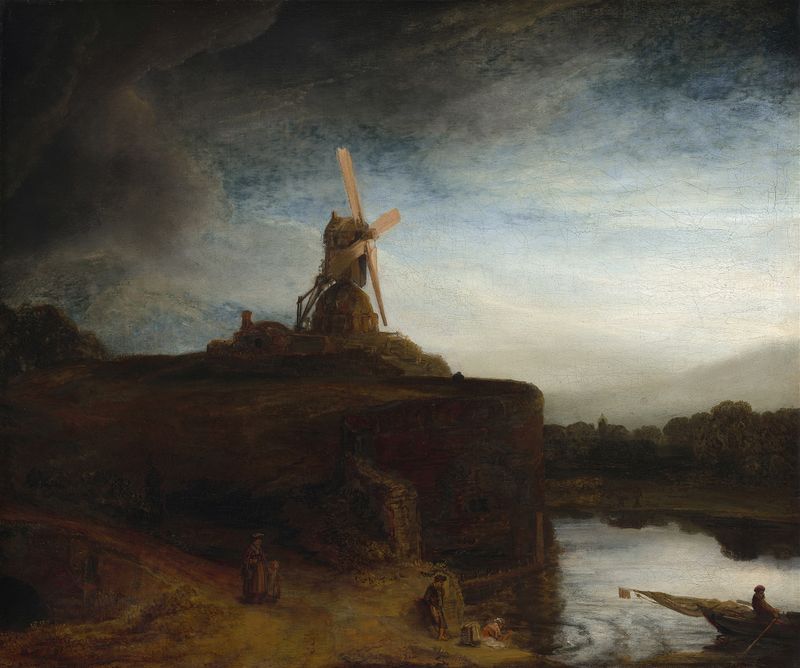
The Mill
Rembrandt van Rijn

The Sampling Officials of the Amsterdam Drapers’ Guild, Known as ‘The Syndics’
Rembrandt van Rijn

The return of the prodigal son
Rembrandt van Rijn
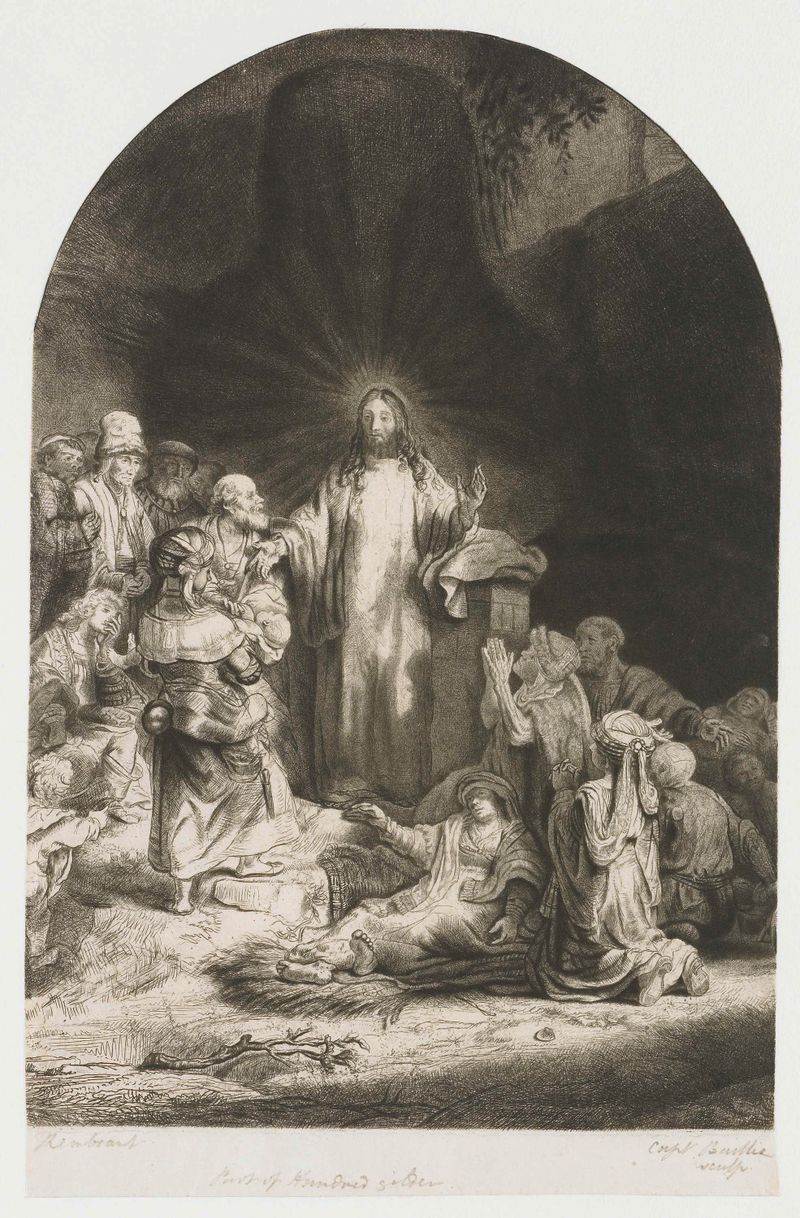
The Hundred Guilder Print: the central piece with Christ preaching, the plate arched
Rembrandt van Rijn

The Hundred Guilder Print: the man seen on the back in the lower left corner
Rembrandt van Rijn
More Religious Art
Browse all →The Return of the Prodigal Son
Rembrandt van Rijn

The Garden of Earthly Delights
El Bosco

Count Orgaz’ funeral
El Greco
The Hundred Guilder Print: the central piece with Christ preaching, the plate arched
Rembrandt van Rijn

The Descent from the Cross
Rogier van der Weyden
The return of the prodigal son
Rembrandt van Rijn