
David and Goliath — History & Facts
Where does light end, and longing begin? In Rembrandt’s David and Goliath, transformation lies at the heart of the narrative, illuminating the struggle that defines humanity. The interplay of light and shadow gives rise to a moment where courage confronts the seemingly insurmountable, encapsulating the essence of the biblical tale. Look to the left at the striking contrast between the radiant figure of David and the ominous presence of Goliath. The young shepherd, illuminated by a warm glow, stands confidently with his sling poised, while the giant's defeated form lies shrouded in darkness.
Notice how the rich, earthy tones meld into the somber hues surrounding Goliath, enhancing the drama of victory through sheer skillful manipulation of chiaroscuro. The dynamic tension between the figures speaks volumes, drawing the viewer into a dialogue of triumph and vulnerability. Delve deeper into the symbolism woven into the details. David's facial expression exudes both determination and innocence, suggesting a transformation that transcends mere physical confrontation.
Meanwhile, Goliath’s lifeless body, cast in shadow, serves as a stark reminder of power's fragility. The contrast between the youth of David and the brute force of Goliath underscores themes of faith versus might, revealing layers of meaning that resonate across time. In 1655, Rembrandt painted this work during a tumultuous period in his life. He faced financial difficulties and personal losses, yet his artistry flourished, capturing the essence of human struggle and resilience.
This piece reflects not only the artist's mastery but also the shifting currents in the art world, as he blended traditional narratives with profound emotional depth, leaving a lasting legacy that continues to inspire.
More Artworks by Rembrandt van Rijn
Browse all →
The Night Watch Militia Company of District II under the Command of Captain Frans Banninck Cocq
Rembrandt van Rijn

The Return of the Prodigal Son
Rembrandt van Rijn

The Hundred Guilder Print: the figures leaning on the wall in the centre left
Rembrandt van Rijn

The Hundred Guilder Print: the central piece with Christ preaching, the plate arched
Rembrandt van Rijn

Isaac and Rebecca, Known as ‘The Jewish Bride’
Rembrandt van Rijn
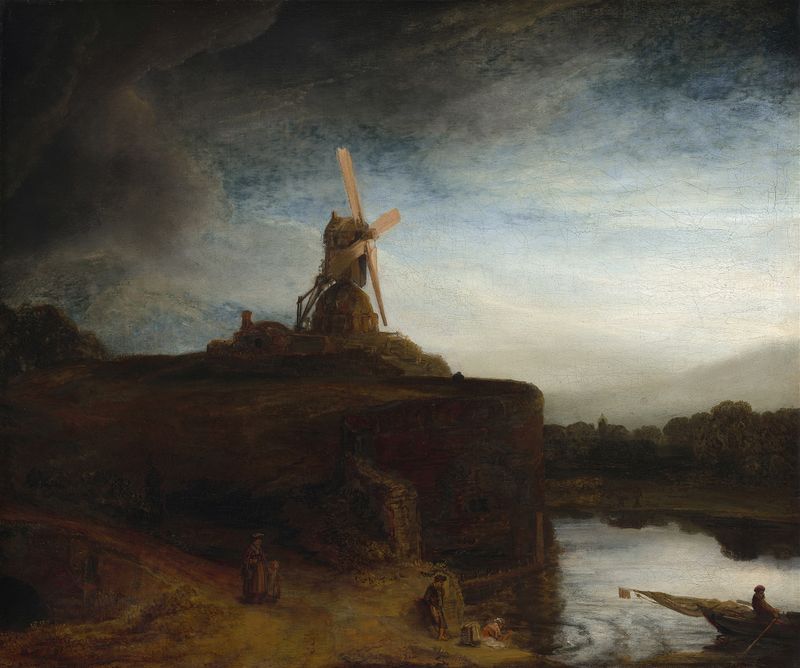
The Mill
Rembrandt van Rijn

The Sampling Officials of the Amsterdam Drapers’ Guild, Known as ‘The Syndics’
Rembrandt van Rijn

The return of the prodigal son
Rembrandt van Rijn
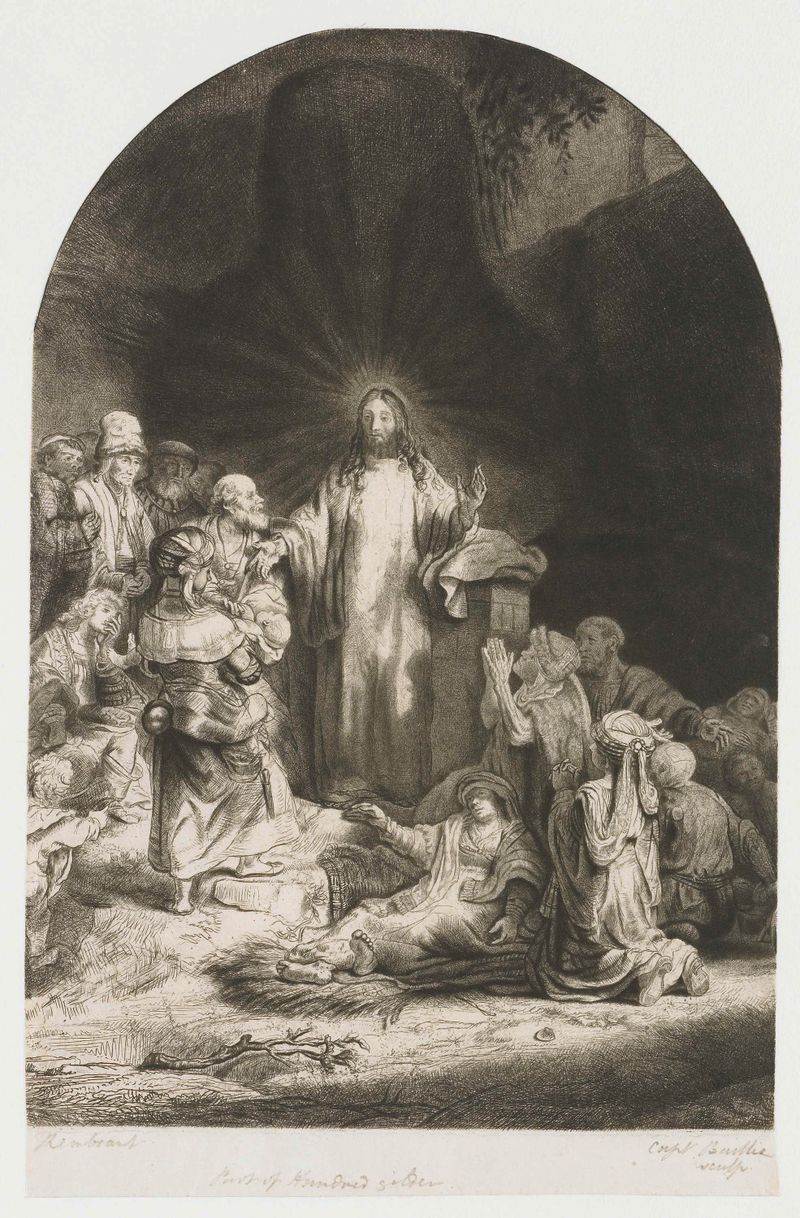
The Hundred Guilder Print: the central piece with Christ preaching, the plate arched
Rembrandt van Rijn

The Hundred Guilder Print: the man seen on the back in the lower left corner
Rembrandt van Rijn
More Religious Art
Browse all →The Return of the Prodigal Son
Rembrandt van Rijn

The Garden of Earthly Delights
El Bosco

Count Orgaz’ funeral
El Greco
The Hundred Guilder Print: the central piece with Christ preaching, the plate arched
Rembrandt van Rijn

The Descent from the Cross
Rogier van der Weyden
The return of the prodigal son
Rembrandt van Rijn