
Décoration de théatre — History & Facts
This sentiment resonates with the essence of Décoration de théatre, where the layers of theatricality mask a deeper sense of longing and nostalgia. Look closely at the intricate details of the architectural elements, particularly the soaring columns that frame the scene. Notice how the shadows delicately dance across the surfaces, creating an interplay of light and dark that evokes both grandeur and vulnerability. The muted palette invites contemplation, drawing the eye to the subtle transitions between shades, while the meticulous line work captures the tension between stability and transience in this theatrical space. Within the ornate embellishments, a palpable melancholy emerges.
The juxtaposition of the lavish decor against the emptiness of the stage speaks to the fleeting nature of performance and experience. Each element, from the curvilinear designs to the serene expressions of the figures, whispers of aspirations and dreams that may never unfold, revealing an underlying narrative of loss and yearning for what once was. Created between 1792 and 1793, during a tumultuous period in France, this piece reflects Lequeu's exploration of architectural fantasy amid the chaos of the French Revolution. As he navigated personal and societal upheaval, his work delved into the intersection of art and memory, capturing a world on the brink of change, where the echoes of the past lingered in every brushstroke.
More Artworks by Jean Jacques Lequeu
Browse all →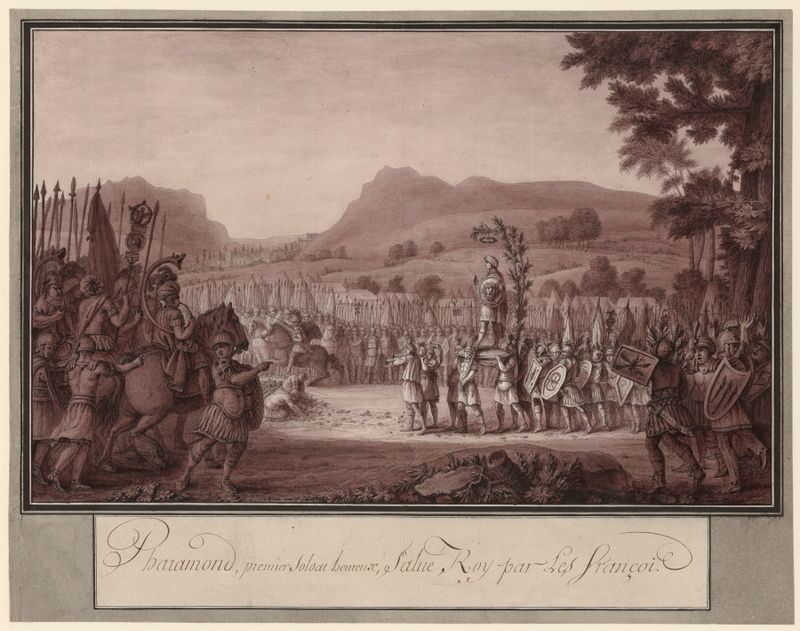
Pharamond, premier soldat heureux, salué roy par les françoi
Jean Jacques Lequeu

Vüe d’un ancien palais de Rome
Jean Jacques Lequeu

Pins et peupliers
Jean Jacques Lequeu
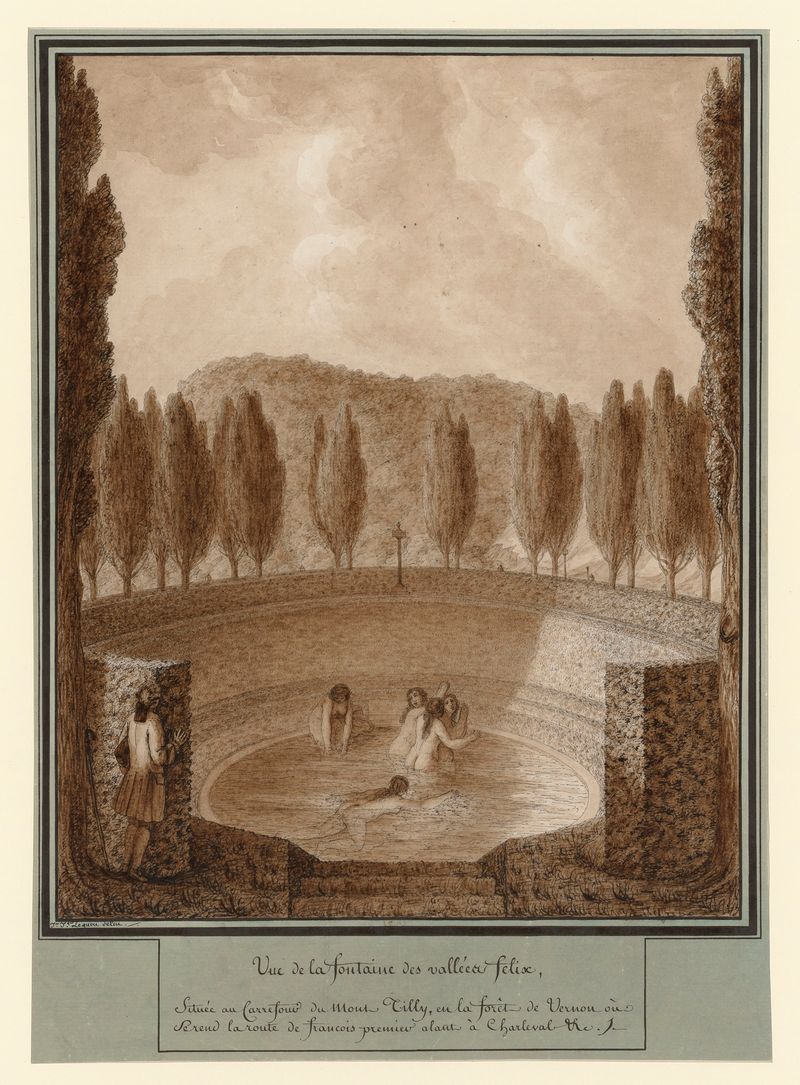
Vue de la fontaine des vallées Félix, située au carrefour du Mont Tilly, en la forêt de Vernon où se rend la route de François Premier alant à Charleval etc
Jean Jacques Lequeu

Vue d’un paysage avec pont en ruine
Jean Jacques Lequeu
More Architecture Art
Browse all →
The statue of Liberty
Frédéric Auguste Bartholdi

View of Houses in Delft, Known as ‘The Little Street’
Johannes Vermeer

View of Houses in Delft, Known as ‘The Little Street’
Johannes Vermeer

The Cathedral in Rouen. The portal, Grey Weather
Claude Monet

The yellow house
Vincent van Gogh

The Church in Auvers-sur-Oise, View from the Chevet
Vincent van Gogh