
De Buurt van Bloemendael — History & Facts
Could beauty survive in a century of chaos? In De Buurt van Bloemendael, Hermanus Petrus Schouten presents a serene glimpse into a tranquil landscape, a gentle reminder of nature's enduring grace amidst the tumultuous world of the 18th century. Look to the foreground where vibrant greens of meticulous brushwork cradle the scene. The soft strokes of Schouten's palette breathe life into the fields, while the delicate play of light dances across the leaves, creating a symphony of shadow and brilliance. The winding path invites the eye to trace its gentle curves, leading us deeper into the heart of the composition, where timeless harmony reigns. In the midst of serenity, subtle contrasts emerge.
The vibrant flora stands in stark relief to the quiet, still waters, reflecting the world above yet holding its own narrative. The juxtaposition of the lush countryside and the distant, shadowed horizon hints at the uncertainty that looms beyond this idyllic setting, speaking to a fragile balance between beauty and chaos. Each element, from the fleeting clouds to the sturdy trees, embodies the spirit of rebirth, allowing viewers to ponder the fragility and resilience of nature. Created between 1778 and 1783, this painting emerged from Schouten's studio during a period of considerable change in Europe, marked by political upheaval and artistic transition.
As the Romantic movement began to flourish, artists strived to capture not just the external world but the emotional undercurrents that shaped it, reflecting a longing for solace in the face of disruption. Schouten's work, characterized by a refined attention to detail and a deep appreciation for the natural world, resonates with this desire for an enduring beauty that transcends the chaos of its time.
More Artworks by Hermanus Petrus Schouten
Browse all →
Plein in het dorp Zuilen
Hermanus Petrus Schouten
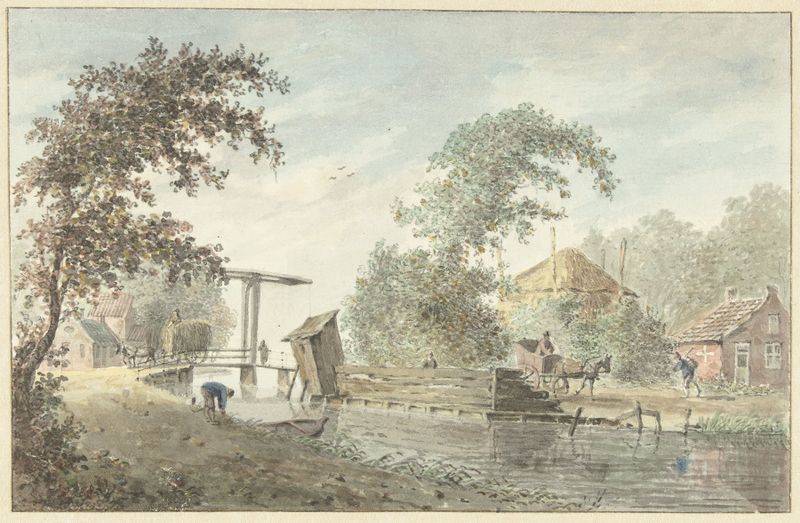
Boerderij aan een vaart met een ophaalbrug
Hermanus Petrus Schouten

A Village By A Wide River
Hermanus Petrus Schouten

View of the Old Church of Amsterdam
Hermanus Petrus Schouten

Kerk en ruïne van de abdij te Rijnsburg
Hermanus Petrus Schouten
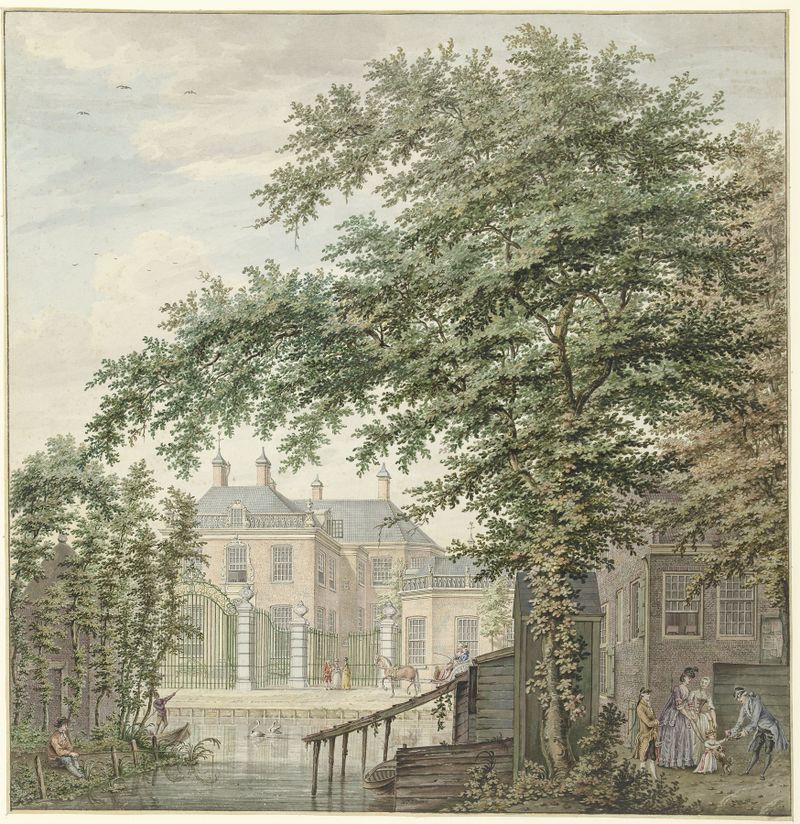
View of Luxemburg House at Maarssen on the Vecht
Hermanus Petrus Schouten
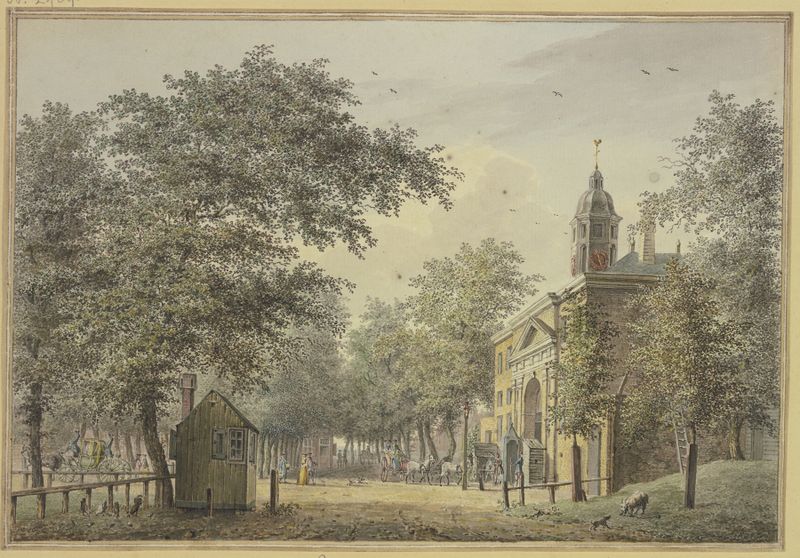
Gezigt langs de Utregse Poord na de Hoogensluys tot Amsterdam
Hermanus Petrus Schouten
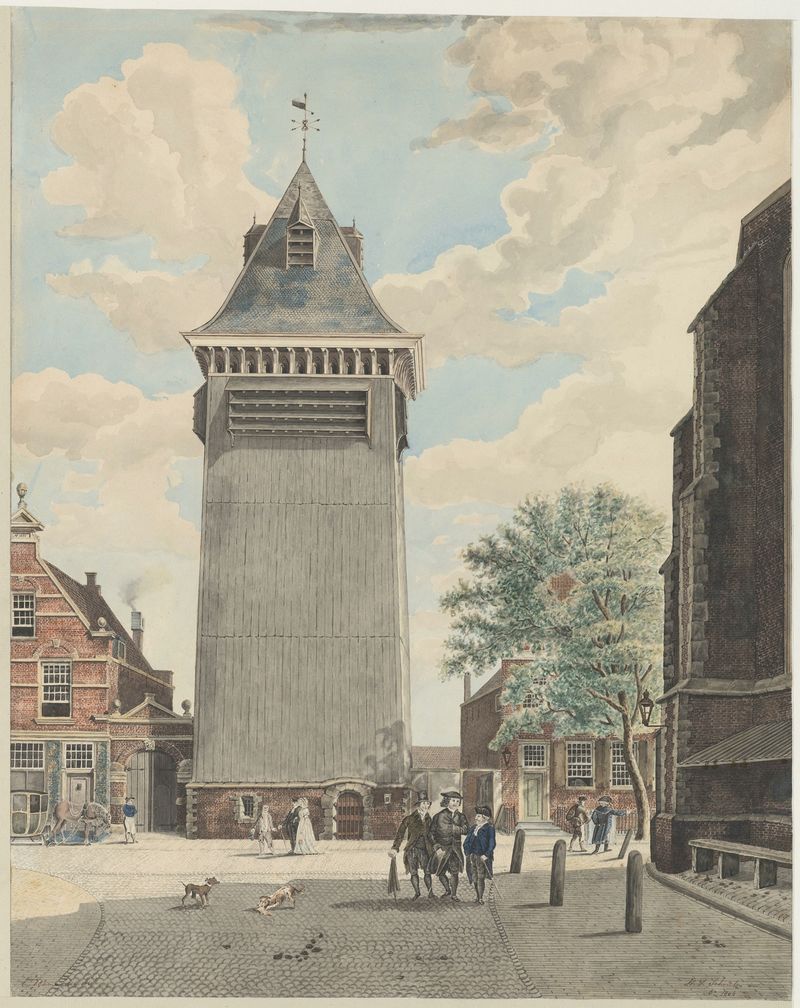
Gezicht op het Klokhuisplein vanaf de Riviervismarkt met op de achtergrond het Klokhuis.
Hermanus Petrus Schouten
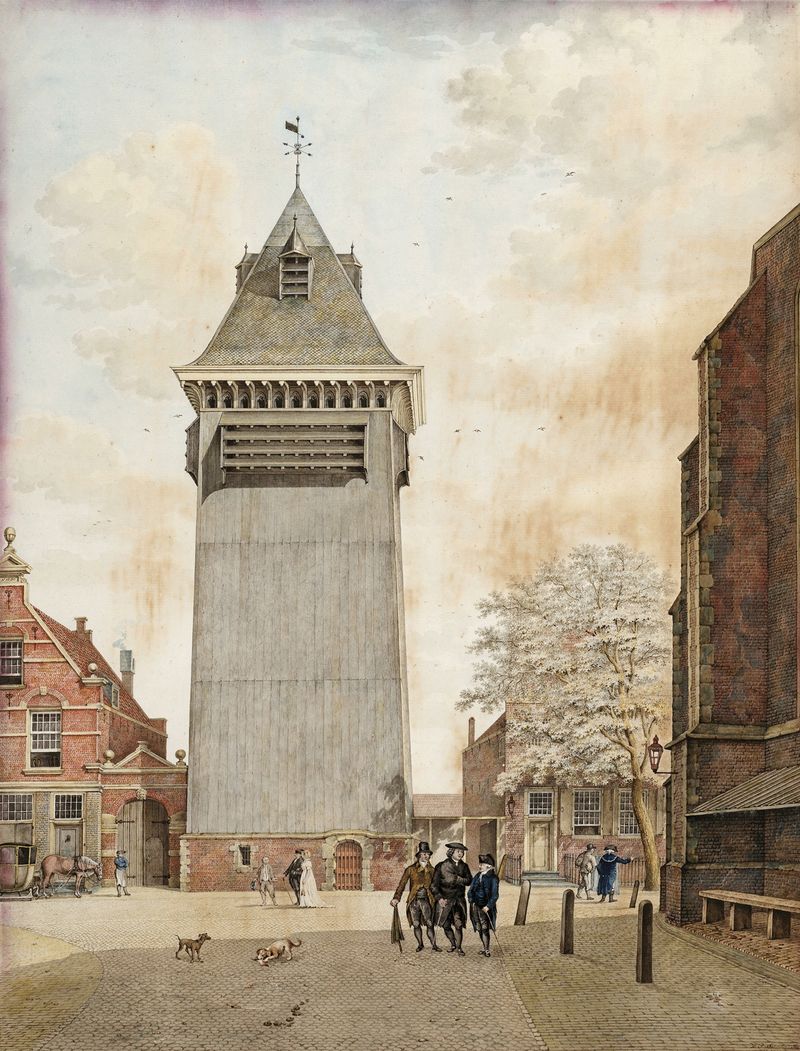
Gezicht op het Klokhuisplein met de klokhuistoren.
Hermanus Petrus Schouten
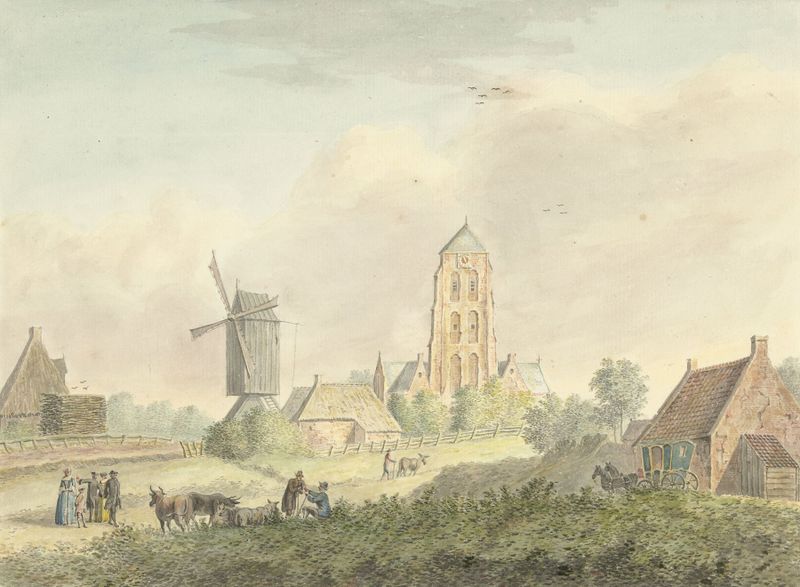
Kerk van het dorp Westkapelle in Zeeland
Hermanus Petrus Schouten





