
De elevatie van de H. Maria Magdalena met vijf engelen — History & Facts
In the stillness of a moment captured within the confines of a frame, we are drawn into the depths of transcendence, a void filled with the weight of spiritual elevation. Look to the top center of the canvas, where the figure of Mary Magdalene rises, flanked by five ethereal angels. Her serene expression, painted with luminescent skin tones, draws the eye first. Notice how the artist employs rich, vibrant colors that contrast against the somber background, creating a divine glow that envelops her.
The intricate drapery of her garments flows elegantly, suggesting movement and grace, while the angels extend their hands in a gesture that is both protective and reverent, guiding the viewer’s gaze upwards. A profound tension lies within the juxtaposition of the earthly and the celestial. The delicate expressions on the angels’ faces reflect a blend of admiration and joy, while the shadowy tones of the background hint at the void from which the soul ascends. Each detail—the softness of the wings, the intricate patterns of the garments—carries a weight of significance, emphasizing the theme of spiritual enlightenment emerging from despair.
This duality invites contemplation on the nature of salvation and the role of divine intervention. The artist, known as the Meester van het Amsterdamse Kabinet, created this evocative piece between 1482 and 1488, during a time when Northern Renaissance art was flourishing. Working in the Netherlands, he was influenced by the burgeoning interest in human emotion and spirituality. This painting reflects a pivotal moment in the evolution of religious art, where the emotional connection between the viewer and the divine became paramount.
More Artworks by Meester van het Amsterdamse Kabinet
Browse all →
De Heilige Familie bij de rozenstruik
Meester van het Amsterdamse Kabinet

Hertenjacht
Meester van het Amsterdamse Kabinet
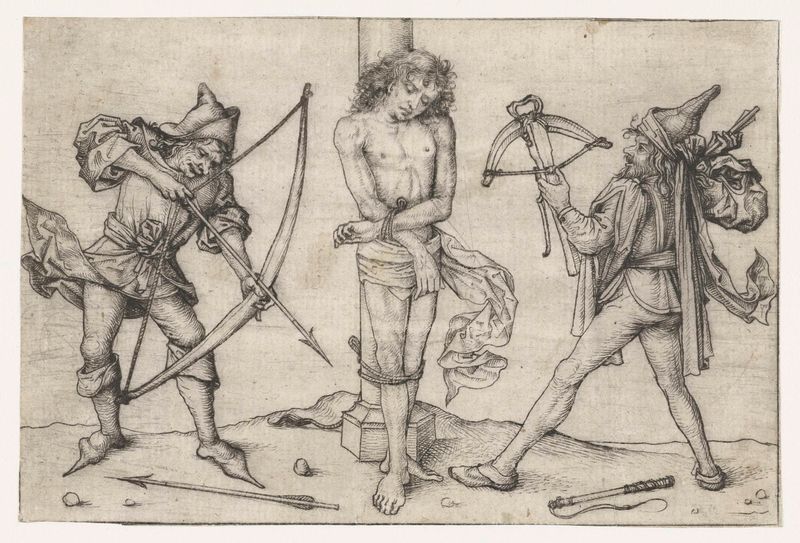
Heilige Sebastiaan met boogschutters
Meester van het Amsterdamse Kabinet

Het lichaam van Christus ondersteund door twee engelen
Meester van het Amsterdamse Kabinet

Heilige Anna-te-Drieën
Meester van het Amsterdamse Kabinet

Heilige Barbara (grote versie)
Meester van het Amsterdamse Kabinet
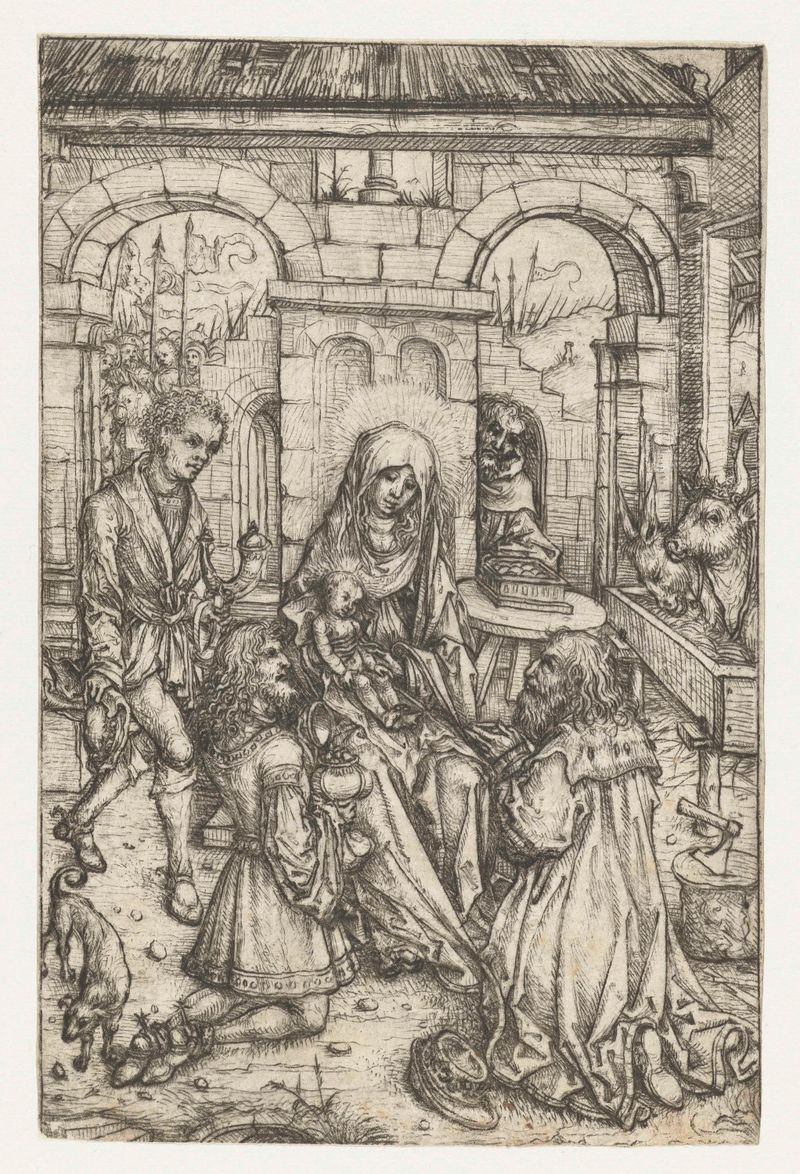
Aanbidding der koningen
Meester van het Amsterdamse Kabinet
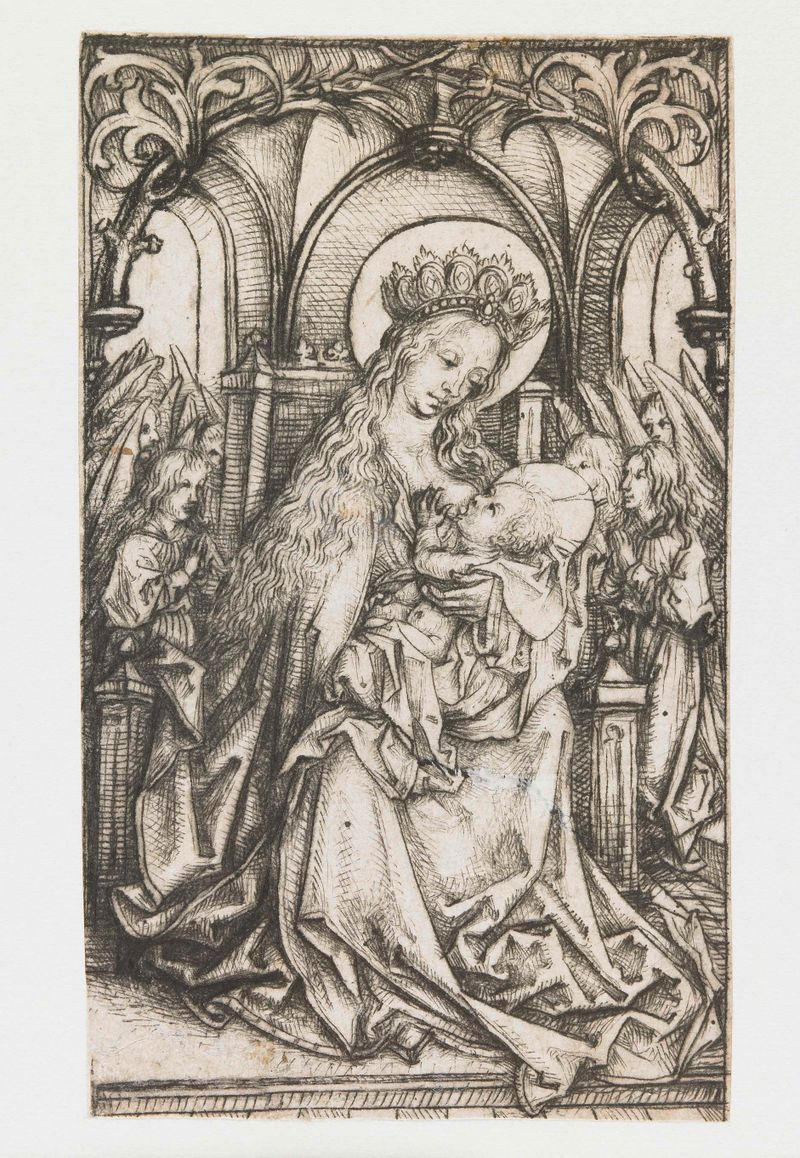
Tronende Madonna door engelen aanbeden
Meester van het Amsterdamse Kabinet

Het zegenend Christuskind
Meester van het Amsterdamse Kabinet
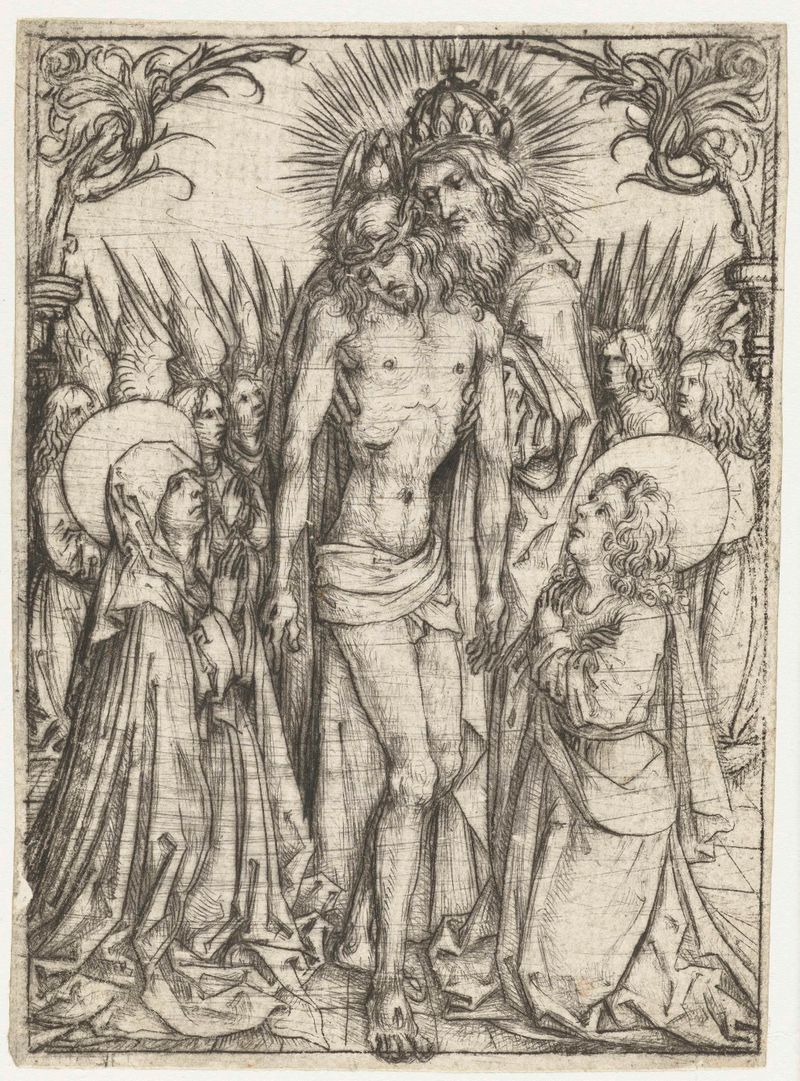
Aanbidding van de Heilige Drieëenheid door Maria, Johannes de Evangelist en engelen
Meester van het Amsterdamse Kabinet
More Religious Art
Browse all →
The Return of the Prodigal Son
Rembrandt van Rijn

The Garden of Earthly Delights
El Bosco

Count Orgaz’ funeral
El Greco

The Hundred Guilder Print: the central piece with Christ preaching, the plate arched
Rembrandt van Rijn

The Descent from the Cross
Rogier van der Weyden

The return of the prodigal son
Rembrandt van Rijn