
De gevangenneming van Christus — History & Facts
What secret hides in the quiet of the canvas? In the stillness of the moment, destiny unfolds before us, shaping the lives of those it touches. Look to the center of the composition, where a solemn figure—Christ—stands poised as fate encircles him. Notice how the artist employs rich, earthy tones, creating a somber atmosphere that envelops the scene. The contrast between the dark robes of the captors and Christ’s glowing attire draws our gaze to his serene expression, a stark juxtaposition to the turmoil surrounding him.
The intricate details in the figures' gestures, from the forceful hands gripping Christ's arm to the unyielding stance of the onlookers, evoke a tension that vibrates through the air. Delve deeper into the narrative unfolding here: the palpable sense of betrayal lingers in the expressions of those present. Each face tells a story of fear, greed, and inevitability, highlighting the stark battle between light and shadow, both literally in the painting’s palette and metaphorically in the moral conflict. This scene captures not just a moment of arrest, but the quiet resignation of prophecy being fulfilled—a moment teetering on the brink of anguish and acceptance. Painted between 1470 and 1475, this piece was created during a time when the Northern Renaissance was blossoming, marked by a shift towards naturalism and emotional expression.
The artist, known for their intricate depictions of religious subjects, navigated a world steeped in spiritual fervor and personal introspection. Amidst this evolving artistic landscape, the work reflects a profound engagement with themes of fate and divine intervention, resonating deeply with the audience of its time.
More Artworks by Meester van het Amsterdamse Kabinet
Browse all →
De Heilige Familie bij de rozenstruik
Meester van het Amsterdamse Kabinet

Hertenjacht
Meester van het Amsterdamse Kabinet
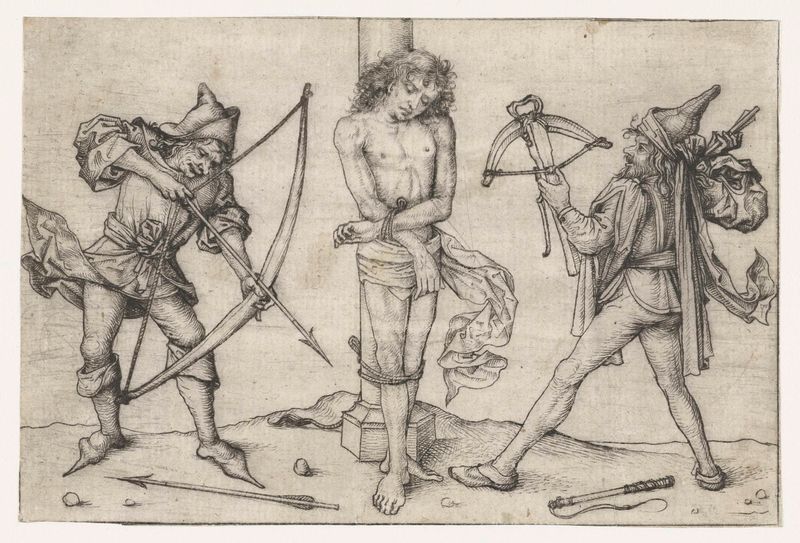
Heilige Sebastiaan met boogschutters
Meester van het Amsterdamse Kabinet

Het lichaam van Christus ondersteund door twee engelen
Meester van het Amsterdamse Kabinet

Heilige Anna-te-Drieën
Meester van het Amsterdamse Kabinet

Heilige Barbara (grote versie)
Meester van het Amsterdamse Kabinet
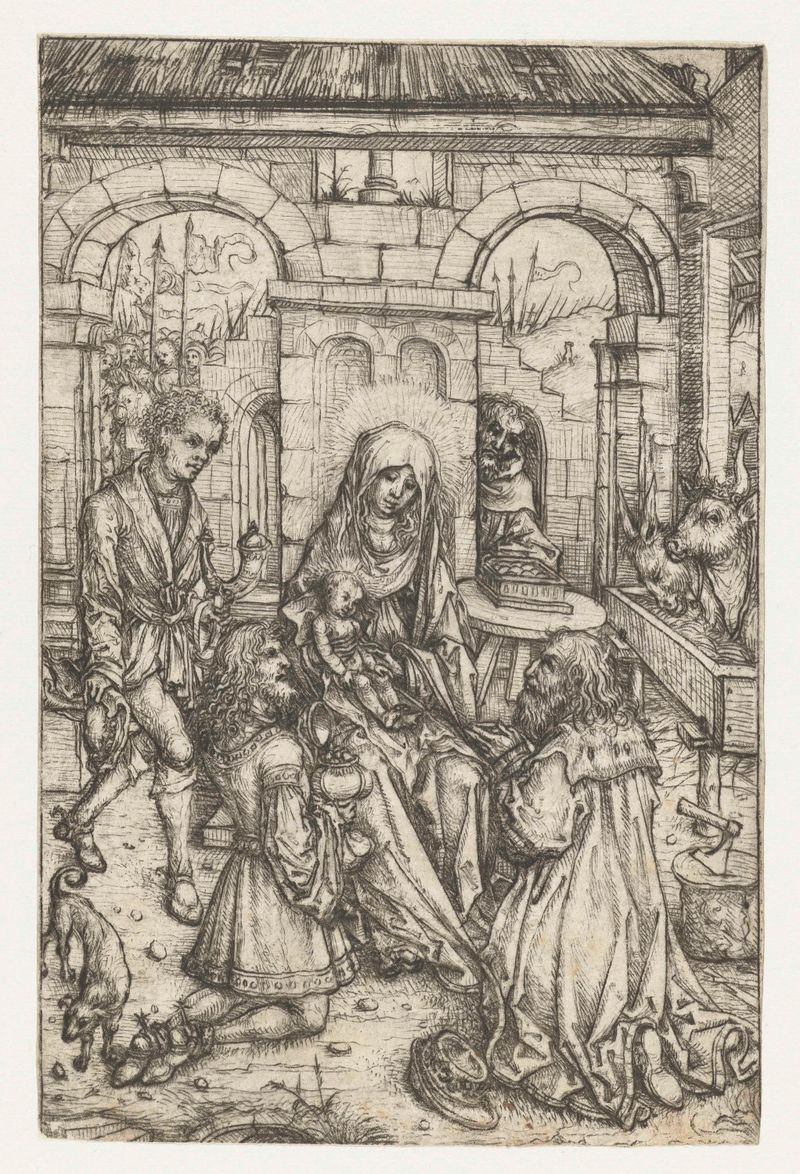
Aanbidding der koningen
Meester van het Amsterdamse Kabinet
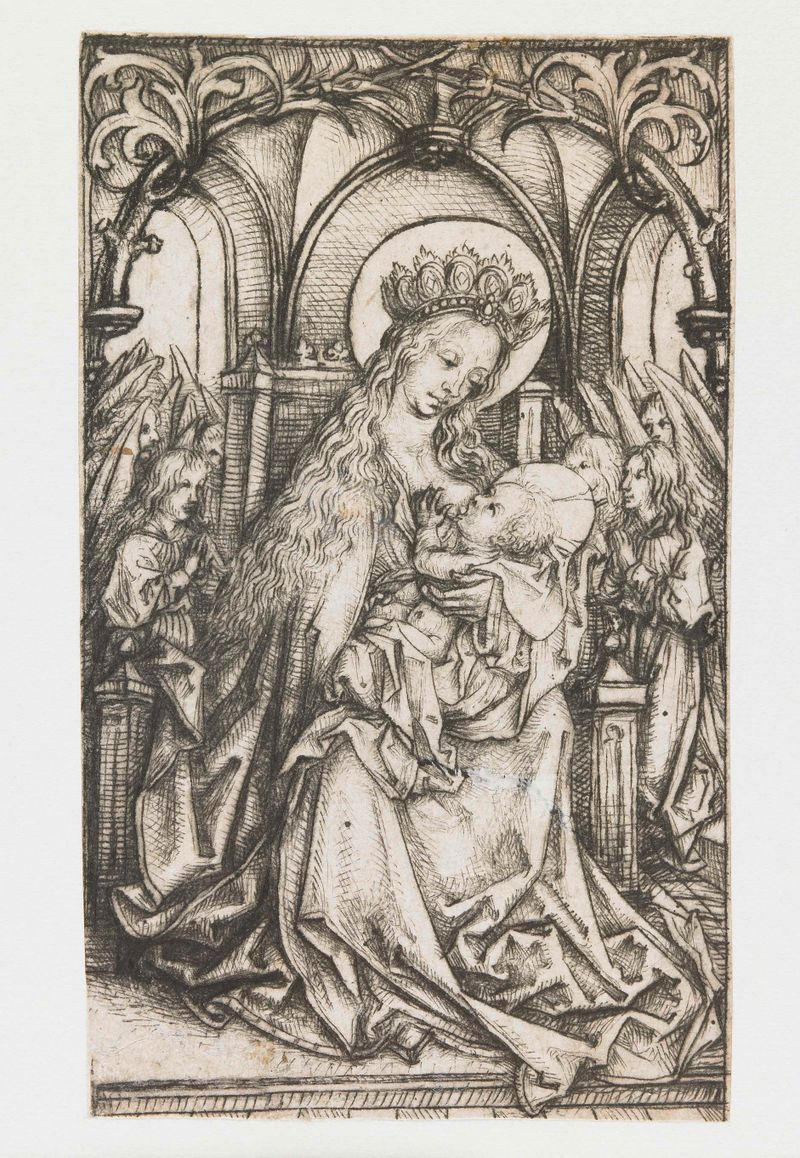
Tronende Madonna door engelen aanbeden
Meester van het Amsterdamse Kabinet

Het zegenend Christuskind
Meester van het Amsterdamse Kabinet
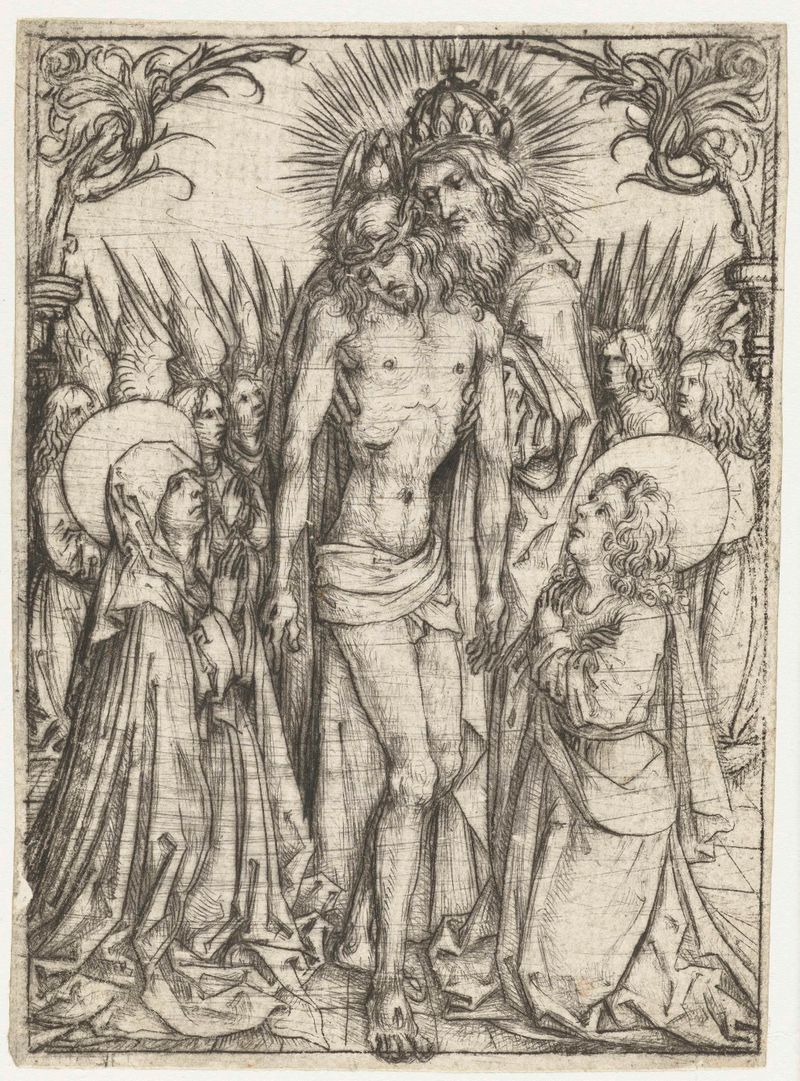
Aanbidding van de Heilige Drieëenheid door Maria, Johannes de Evangelist en engelen
Meester van het Amsterdamse Kabinet
More Religious Art
Browse all →
The Return of the Prodigal Son
Rembrandt van Rijn

The Garden of Earthly Delights
El Bosco

Count Orgaz’ funeral
El Greco

The Hundred Guilder Print: the central piece with Christ preaching, the plate arched
Rembrandt van Rijn

The Descent from the Cross
Rogier van der Weyden

The return of the prodigal son
Rembrandt van Rijn