
De Heilige Familie in een gewelfde ruimte — History & Facts
Is this a mirror — or a memory? The fragility of familial bonds echoes within the delicate composition of this artwork, inviting viewers to ponder the interplay of love, faith, and the passage of time. Look to the center of the piece, where the Holy Family is nestled within a sweeping, vaulted space. The gentle embrace between Mary and the child Jesus captures the viewer's attention first, their figures softly illuminated against the rich, muted tones of the background. Notice how the warm glow seems to emanate from their skin, contrasting with the cool shadows that stretch across the room, emphasizing both intimacy and solitude.
The intricate details of the architecture above frame their unity, drawing our eyes upwards, as if to suggest both divine presence and the weight of earthly existence. Delve deeper, and you might observe the subtle tension between the serene expressions of the figures and the hints of weariness etched on Joseph's face. Each element, from the delicate folds of their garments to the serene gaze of the child, reveals a moment suspended in time, preserving the essence of love and sacrifice. Yet, the stark geometry of the space creates a sense of confinement that speaks to the fragility of their circumstance, a reminder that harmony can often coexist with vulnerability. Created between 1488 and 1492, this work was painted during a period of significant artistic evolution in the Northern Renaissance, where realism and detail flourished.
The artist, known for his meticulous craftsmanship, found inspiration amidst a burgeoning interest in humanism, which emphasized the value of individual experience within sacred narratives. This work reflects not just a theological sentiment, but also the profound emotional depths characteristic of the time, as society navigated the complexities of faith and family.
More Artworks by Meester van het Amsterdamse Kabinet
Browse all →
De Heilige Familie bij de rozenstruik
Meester van het Amsterdamse Kabinet

Hertenjacht
Meester van het Amsterdamse Kabinet
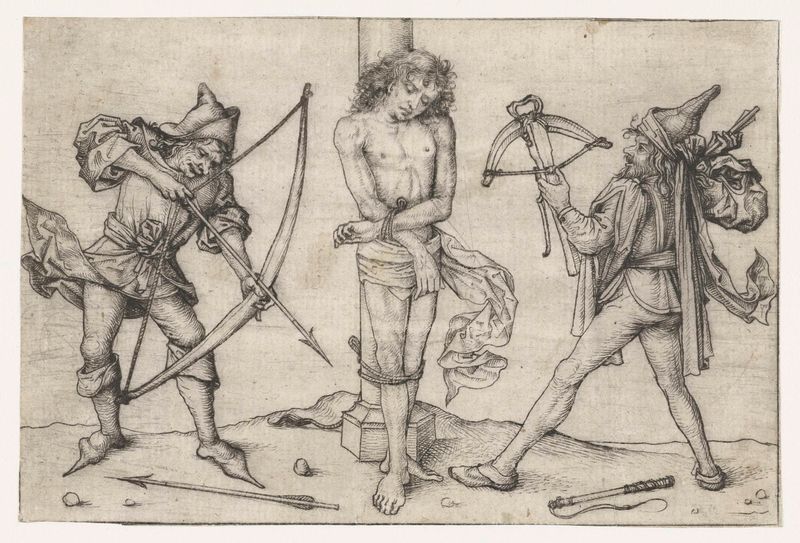
Heilige Sebastiaan met boogschutters
Meester van het Amsterdamse Kabinet

Het lichaam van Christus ondersteund door twee engelen
Meester van het Amsterdamse Kabinet

Heilige Anna-te-Drieën
Meester van het Amsterdamse Kabinet

Heilige Barbara (grote versie)
Meester van het Amsterdamse Kabinet
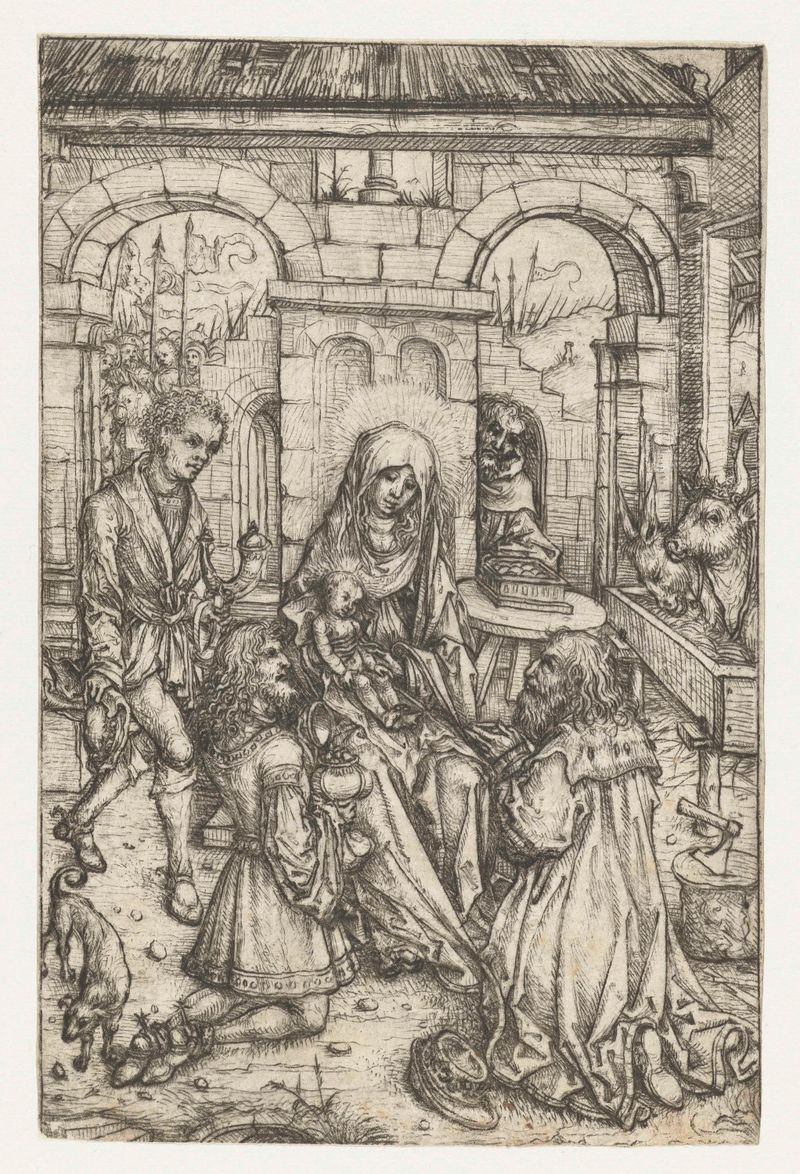
Aanbidding der koningen
Meester van het Amsterdamse Kabinet
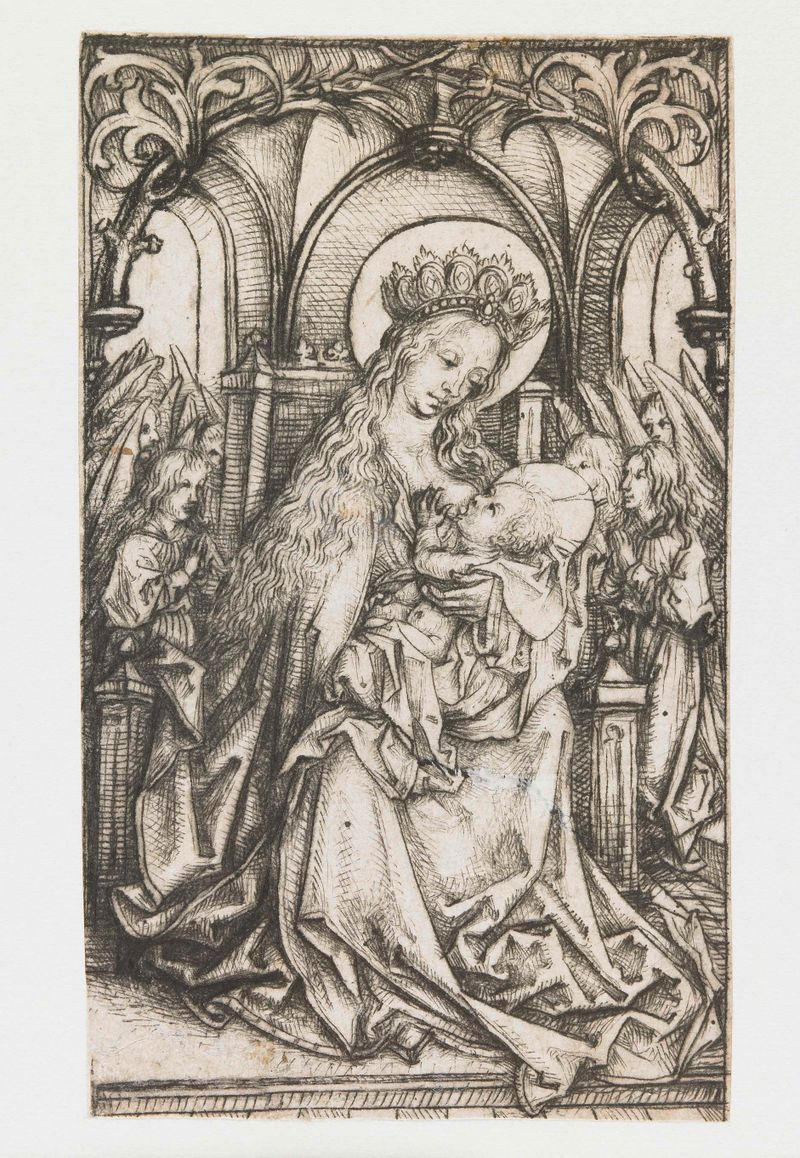
Tronende Madonna door engelen aanbeden
Meester van het Amsterdamse Kabinet

Het zegenend Christuskind
Meester van het Amsterdamse Kabinet
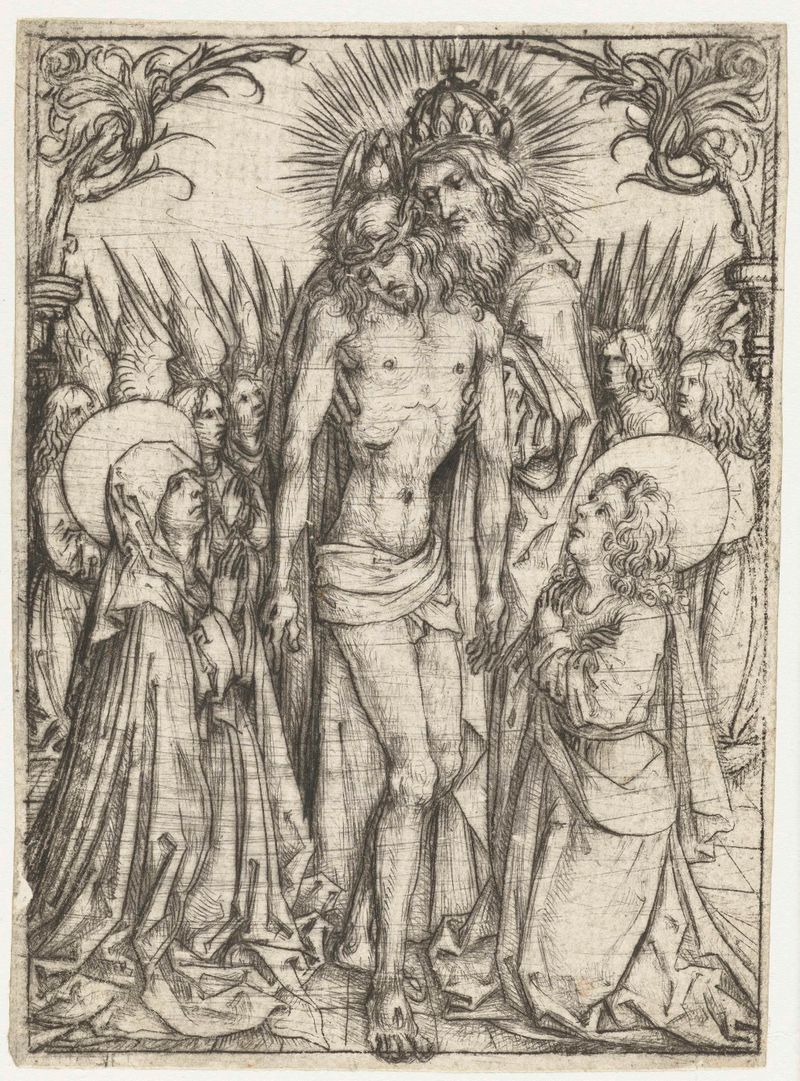
Aanbidding van de Heilige Drieëenheid door Maria, Johannes de Evangelist en engelen
Meester van het Amsterdamse Kabinet
More Religious Art
Browse all →
The Return of the Prodigal Son
Rembrandt van Rijn

The Garden of Earthly Delights
El Bosco

Count Orgaz’ funeral
El Greco

The Hundred Guilder Print: the central piece with Christ preaching, the plate arched
Rembrandt van Rijn

The Descent from the Cross
Rogier van der Weyden

The return of the prodigal son
Rembrandt van Rijn