
De hoofden van Christus en Maria — History & Facts
Is this a mirror — or a memory? In the delicate interplay of light and shadow, the faces captured here evoke the profound depths of longing and sorrow, inviting us to ponder their silent connection across time. Focus first on the serene visage of Mary, her downcast eyes embodying a quiet strength infused with melancholy. Notice how the soft, luminous brushwork illuminates her features, imbuing the composition with a richness that contrasts with the somber color palette. The slight tilt of her head towards Christ draws the viewer’s gaze to the subtle details in their expressions, each nuance telling a story of shared suffering and divine love. Delve deeper into their expressions, where the weight of their respective burdens is palpable.
The sorrow reflected in Christ’s gaze suggests a premonition of sacrifice, while Mary’s maternal grief resonates with an almost palpable ache. This duality of emotion, juxtaposed against the serene background, creates a poignant tension, reflecting the universal themes of devotion and loss intertwined in the narrative of faith. Created between 1488 and 1492, this work emerges from a period of artistic transition in the Northern Renaissance. The anonymous artist, known as the Meester van het Amsterdamse Kabinet, developed a style marked by intricate detail and emotional depth, responding to the spiritual needs of a society profoundly engaged with themes of piety and redemption.
At this moment in history, religious art was evolving, aiming to evoke introspection and connection with the divine, a purpose masterfully achieved within this intimate portrayal.
More Artworks by Meester van het Amsterdamse Kabinet
Browse all →
De Heilige Familie bij de rozenstruik
Meester van het Amsterdamse Kabinet

Hertenjacht
Meester van het Amsterdamse Kabinet
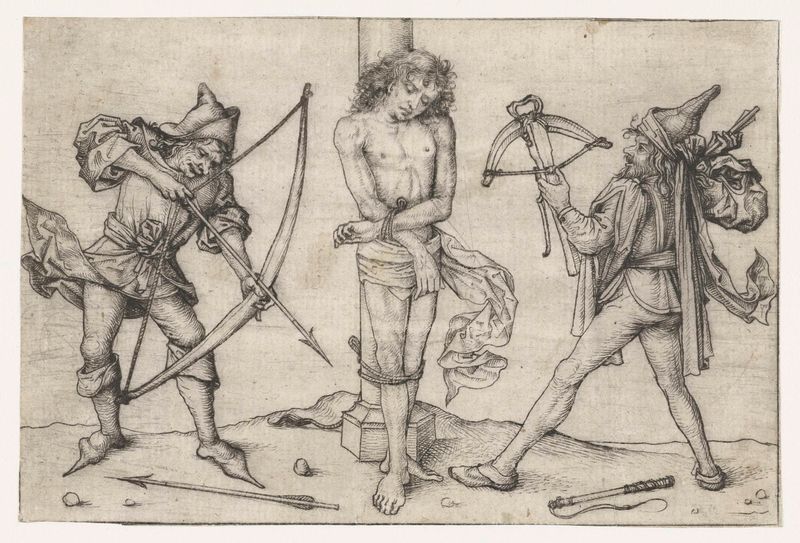
Heilige Sebastiaan met boogschutters
Meester van het Amsterdamse Kabinet

Het lichaam van Christus ondersteund door twee engelen
Meester van het Amsterdamse Kabinet

Heilige Anna-te-Drieën
Meester van het Amsterdamse Kabinet

Heilige Barbara (grote versie)
Meester van het Amsterdamse Kabinet
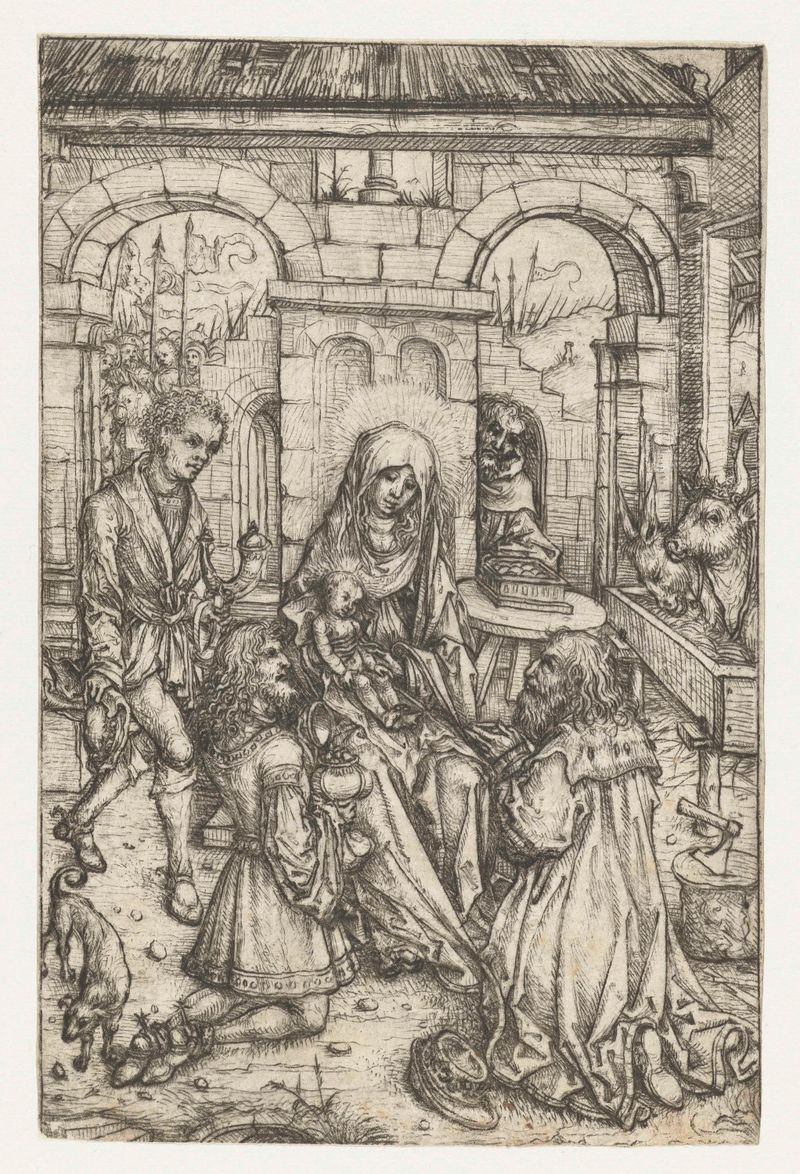
Aanbidding der koningen
Meester van het Amsterdamse Kabinet
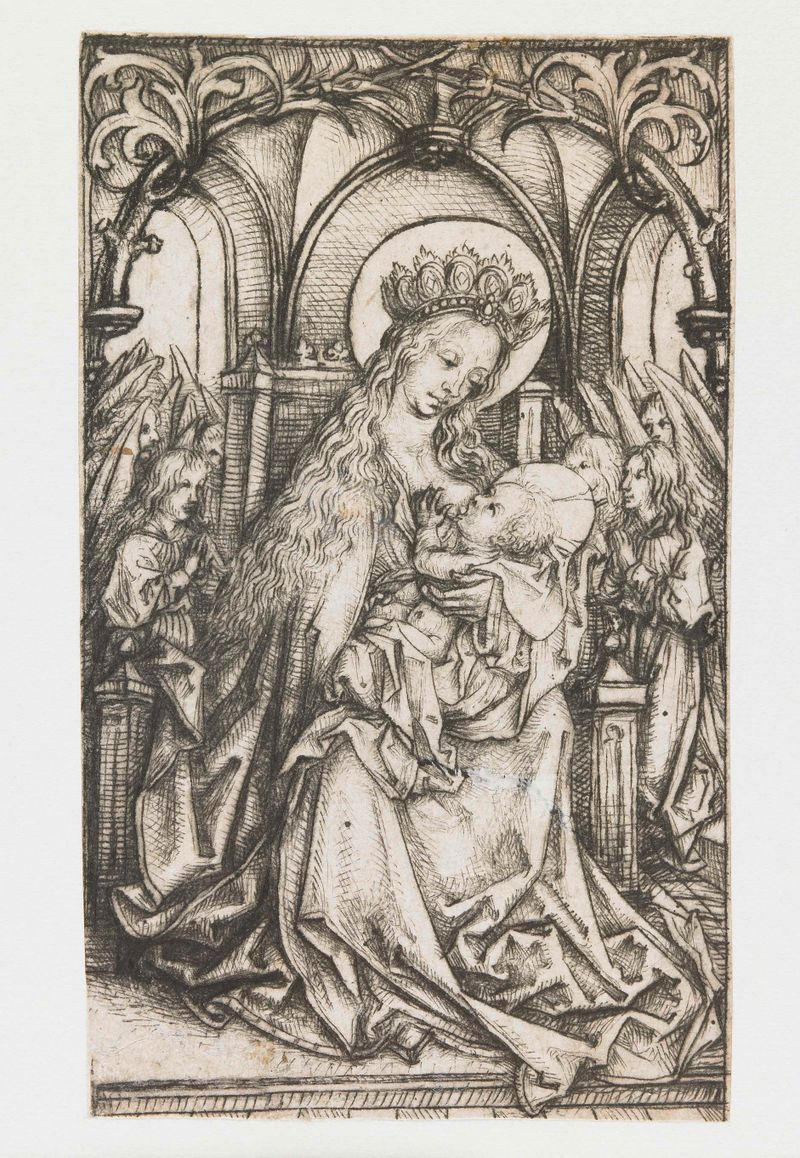
Tronende Madonna door engelen aanbeden
Meester van het Amsterdamse Kabinet

Het zegenend Christuskind
Meester van het Amsterdamse Kabinet
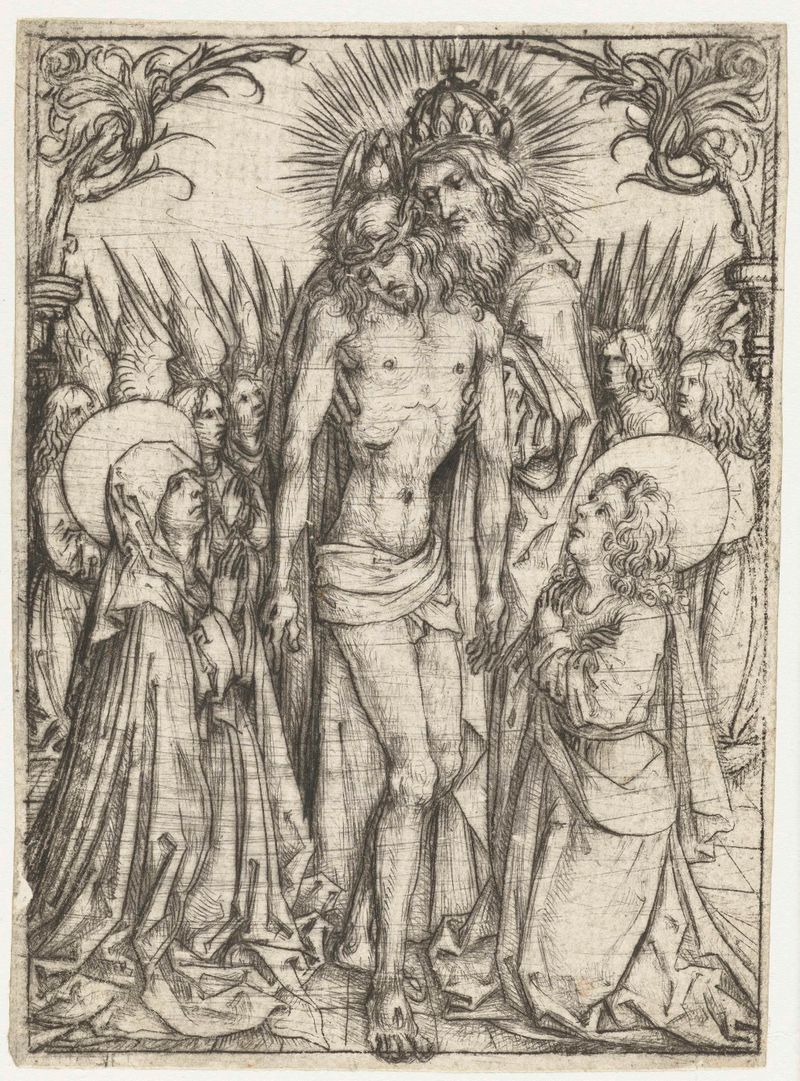
Aanbidding van de Heilige Drieëenheid door Maria, Johannes de Evangelist en engelen
Meester van het Amsterdamse Kabinet
More Religious Art
Browse all →
The Return of the Prodigal Son
Rembrandt van Rijn

The Garden of Earthly Delights
El Bosco

Count Orgaz’ funeral
El Greco

The Hundred Guilder Print: the central piece with Christ preaching, the plate arched
Rembrandt van Rijn

The Descent from the Cross
Rogier van der Weyden

The return of the prodigal son
Rembrandt van Rijn