
De kruisdraging — History & Facts
In the delicate balance between tumult and tranquility, longing resides at the core of the human experience. Look to the center of De kruisdraging, where the figure of Christ bears the weight of the cross, muscles taut and straining against the burden. Surrounding him are a tapestry of faces, each telling a silent story of sorrow and lament. Notice how soft light filters through the painted clouds, illuminating the contours of anguished eyes and furrowed brows, creating a stark contrast between the divine and the human experience of suffering.
The artist’s meticulous attention to the interplay of light and shadow draws the viewer into this poignant moment, inviting reflection. As you explore the painting further, consider the outstretched arms of Christ reaching towards the heavens, symbolizing a yearning for redemption that transcends earthly pain. The onlookers, each absorbed in their own grief, represent collective humanity’s struggle with despair. Amongst them, a figure hidden in the background clutches a small token, suggesting hope amidst tragedy.
The juxtaposition of the heavy cross and the fragile faces captures a powerful emotional tension, illustrating that even in suffering, there exists a profound yearning for grace. Created between 1478 and 1482, this work emerged during a period of significant change in Northern Renaissance art, marked by a growing interest in human emotion and the intricacies of the spiritual experience. The artist, a master of nuanced detail, employed innovative techniques to convey depth and feeling, reflecting the broader movements in art that sought to bridge the gap between the sacred and the secular.
More Artworks by Meester van het Amsterdamse Kabinet
Browse all →
De Heilige Familie bij de rozenstruik
Meester van het Amsterdamse Kabinet

Hertenjacht
Meester van het Amsterdamse Kabinet
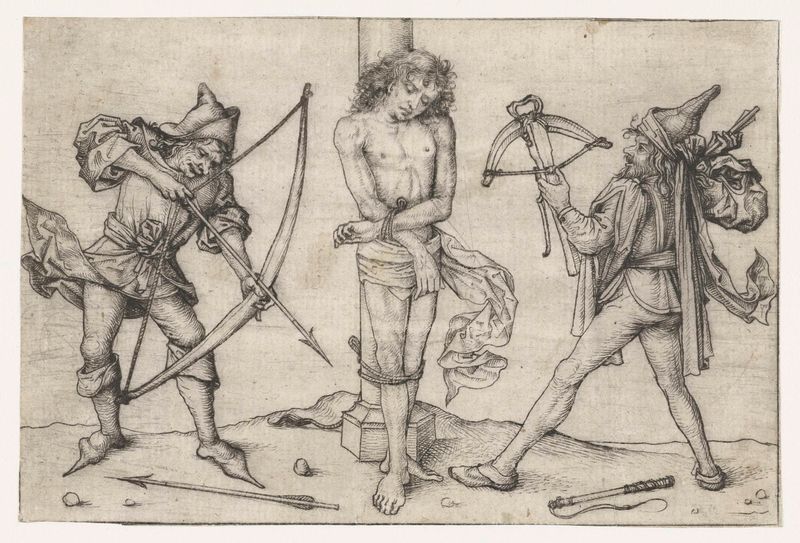
Heilige Sebastiaan met boogschutters
Meester van het Amsterdamse Kabinet

Het lichaam van Christus ondersteund door twee engelen
Meester van het Amsterdamse Kabinet

Heilige Anna-te-Drieën
Meester van het Amsterdamse Kabinet

Heilige Barbara (grote versie)
Meester van het Amsterdamse Kabinet
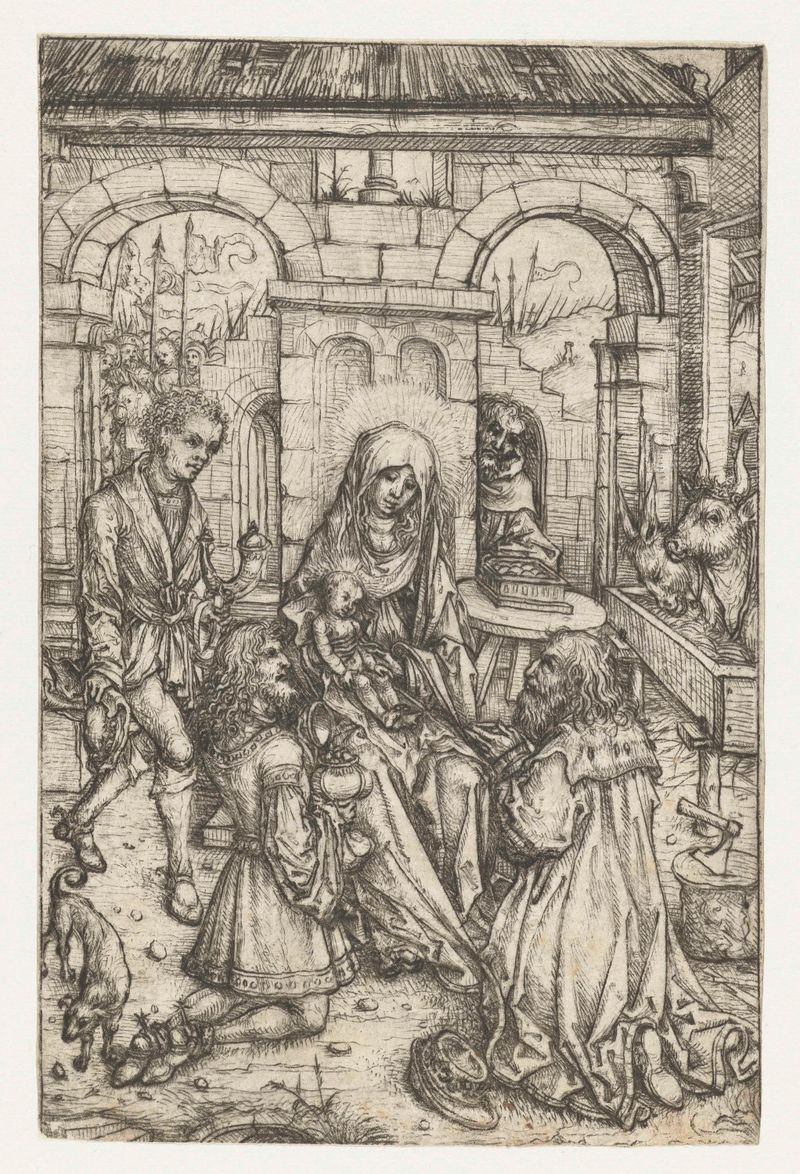
Aanbidding der koningen
Meester van het Amsterdamse Kabinet
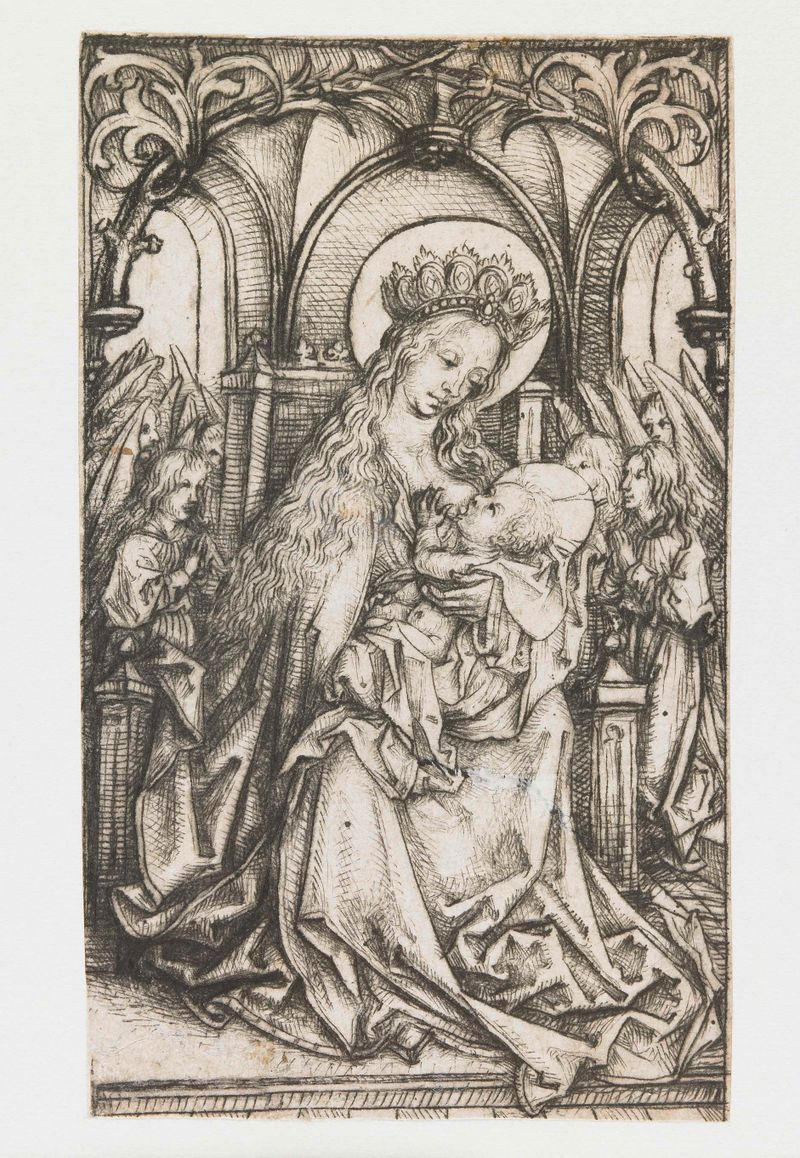
Tronende Madonna door engelen aanbeden
Meester van het Amsterdamse Kabinet

Het zegenend Christuskind
Meester van het Amsterdamse Kabinet
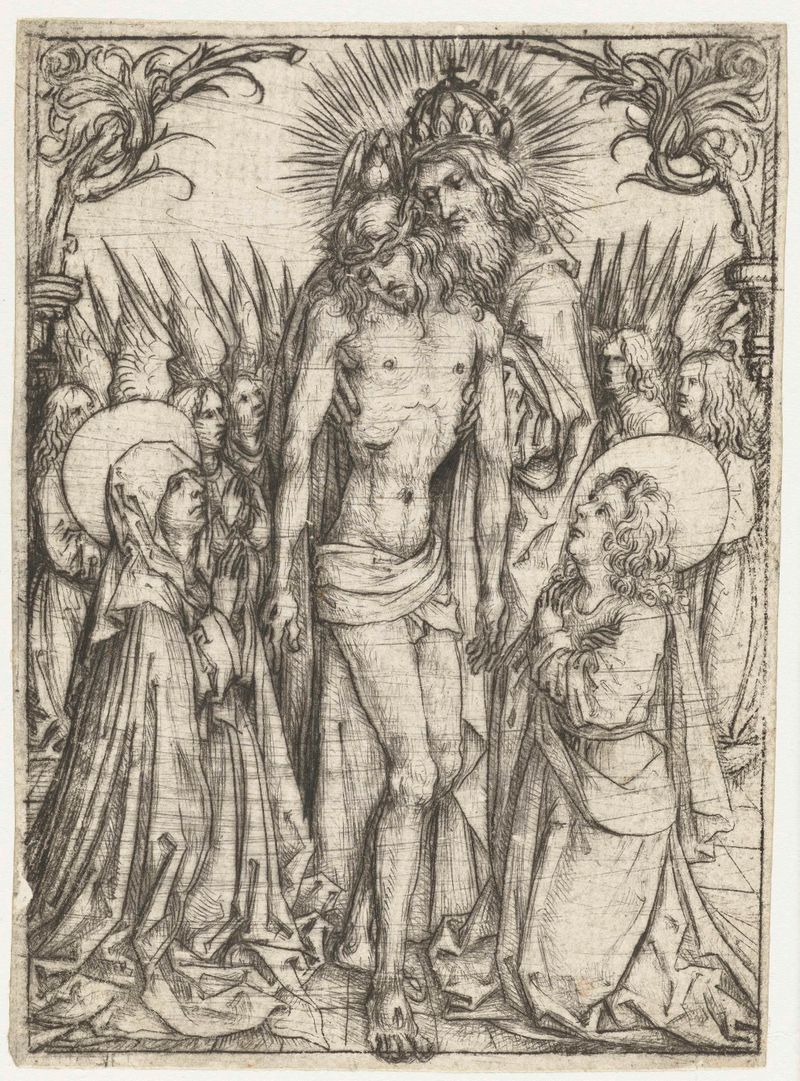
Aanbidding van de Heilige Drieëenheid door Maria, Johannes de Evangelist en engelen
Meester van het Amsterdamse Kabinet
More Religious Art
Browse all →
The Return of the Prodigal Son
Rembrandt van Rijn

The Garden of Earthly Delights
El Bosco

Count Orgaz’ funeral
El Greco

The Hundred Guilder Print: the central piece with Christ preaching, the plate arched
Rembrandt van Rijn

The Descent from the Cross
Rogier van der Weyden

The return of the prodigal son
Rembrandt van Rijn