
De kruisiging — History & Facts
It holds within it truths too profound for spoken language, inviting us to ponder the nature of divinity and sacrifice. Look to the center of the composition, where the figure of Christ is suspended, a heart-wrenching juxtaposition of agony and grace. The artist employs a soft, yet somber palette of deep reds and muted earth tones, embodying both the blood of martyrdom and the soil of humanity. The delicate interplay of light and shadow accentuates the tension in the scene, drawing the viewer's gaze towards the figure of the suffering Christ while subtly revealing the anguish of the onlookers. Beyond the poignant representation of the crucifixion, the painting delves into the complexities of faith and despair.
Notice the anguished expressions of the spectators, each face telling its own story of sorrow and disbelief. In the background, a stormy sky looms, foreshadowing the cosmic significance of this moment, as the divine intersects with the mortal. This contrast between the celestial and the terrestrial amplifies the emotional weight of the scene, inviting reflections on sacrifice and redemption. Created between 1483 and 1487, this work emerged during a time of profound change in the art world, as the Northern Renaissance began to flourish.
The artist, belonging to the circle of the Amsterdam Cabinet, was influenced by the intricate details and emotive power of earlier Gothic art, yet sought to transcend its limitations. This crucifixion serves not only as a spiritual testament but also as a pivotal moment in the evolution of religious imagery, capturing the essence of humanity’s struggle with its divine destiny.
More Artworks by Meester van het Amsterdamse Kabinet
Browse all →
De Heilige Familie bij de rozenstruik
Meester van het Amsterdamse Kabinet

Hertenjacht
Meester van het Amsterdamse Kabinet
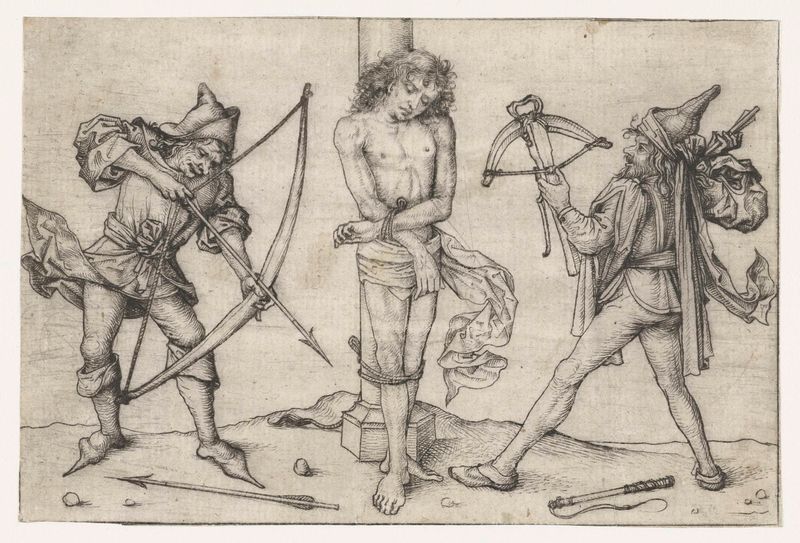
Heilige Sebastiaan met boogschutters
Meester van het Amsterdamse Kabinet

Het lichaam van Christus ondersteund door twee engelen
Meester van het Amsterdamse Kabinet

Heilige Anna-te-Drieën
Meester van het Amsterdamse Kabinet

Heilige Barbara (grote versie)
Meester van het Amsterdamse Kabinet
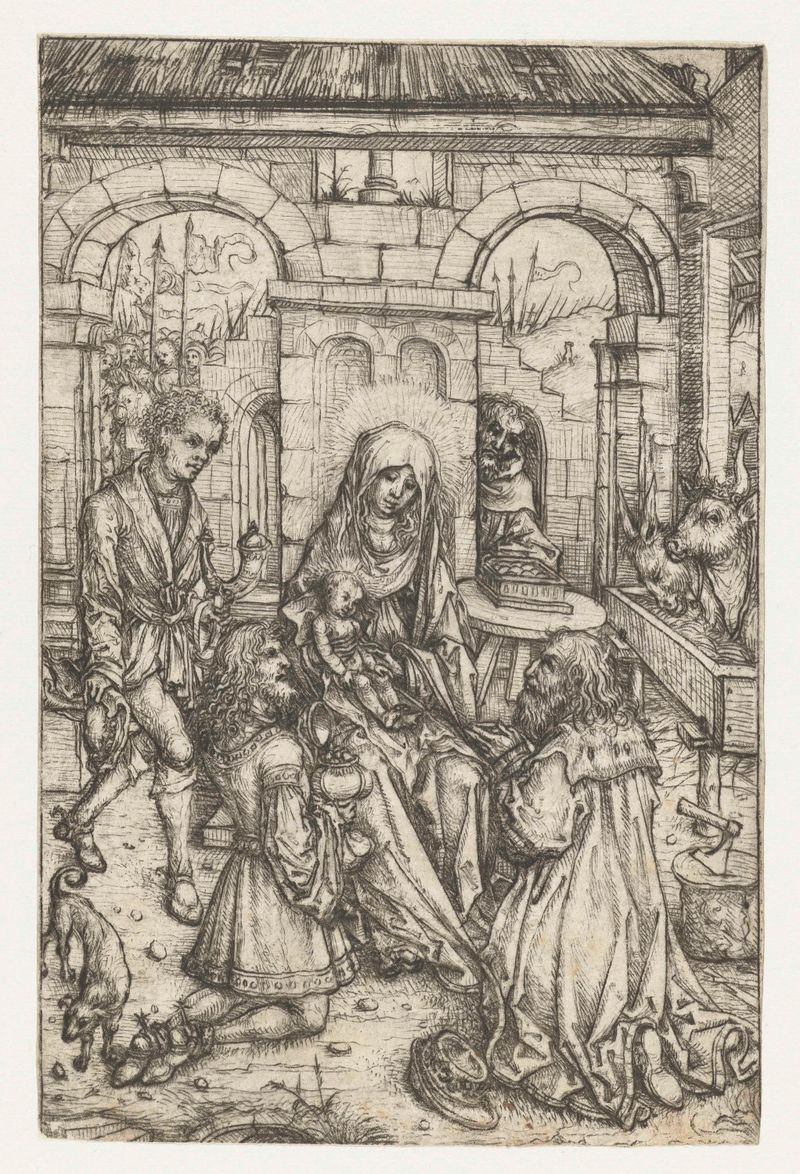
Aanbidding der koningen
Meester van het Amsterdamse Kabinet
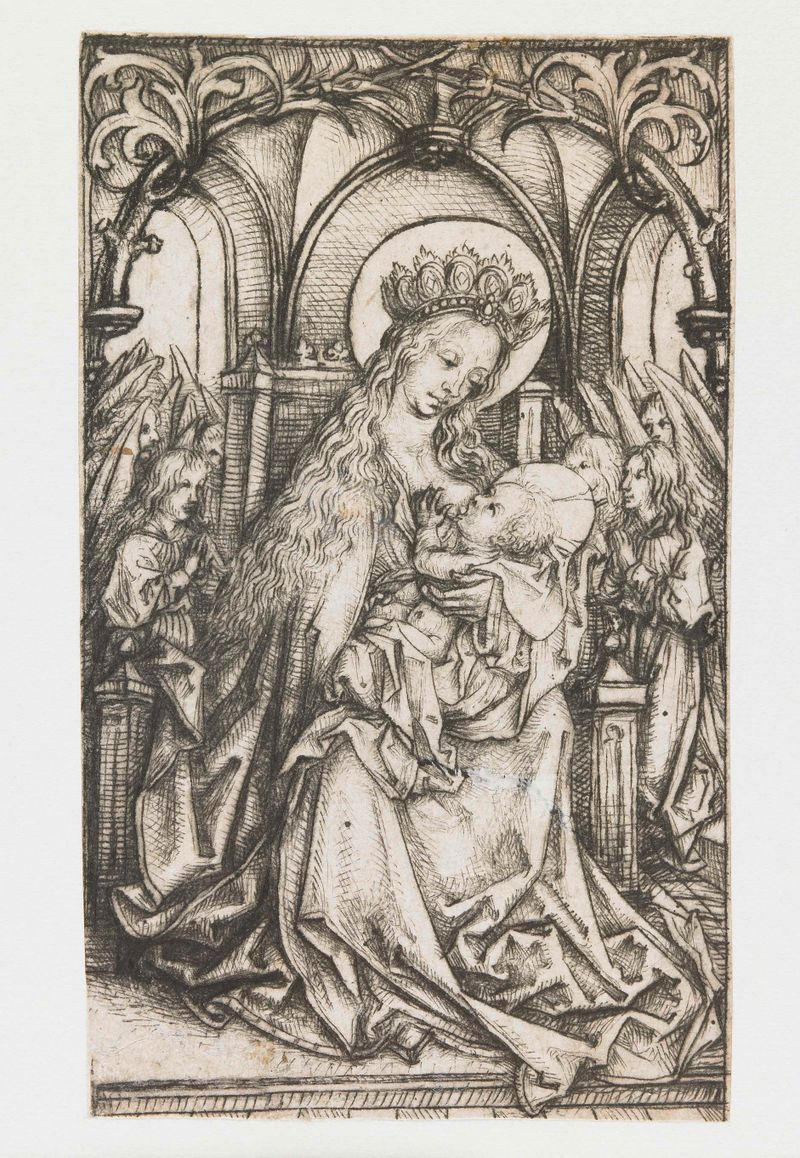
Tronende Madonna door engelen aanbeden
Meester van het Amsterdamse Kabinet

Het zegenend Christuskind
Meester van het Amsterdamse Kabinet
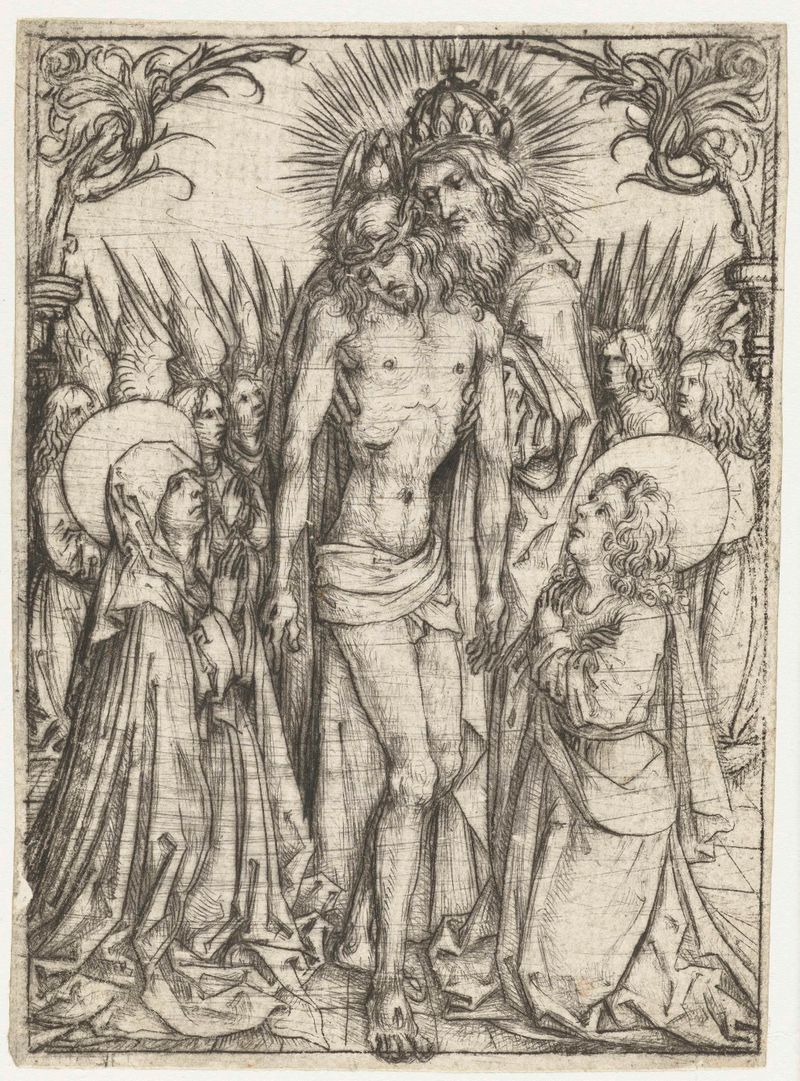
Aanbidding van de Heilige Drieëenheid door Maria, Johannes de Evangelist en engelen
Meester van het Amsterdamse Kabinet
More Religious Art
Browse all →
The Return of the Prodigal Son
Rembrandt van Rijn

The Garden of Earthly Delights
El Bosco

Count Orgaz’ funeral
El Greco

The Hundred Guilder Print: the central piece with Christ preaching, the plate arched
Rembrandt van Rijn

The Descent from the Cross
Rogier van der Weyden

The return of the prodigal son
Rembrandt van Rijn