De Noordermarkt te Amsterdam — History & Facts
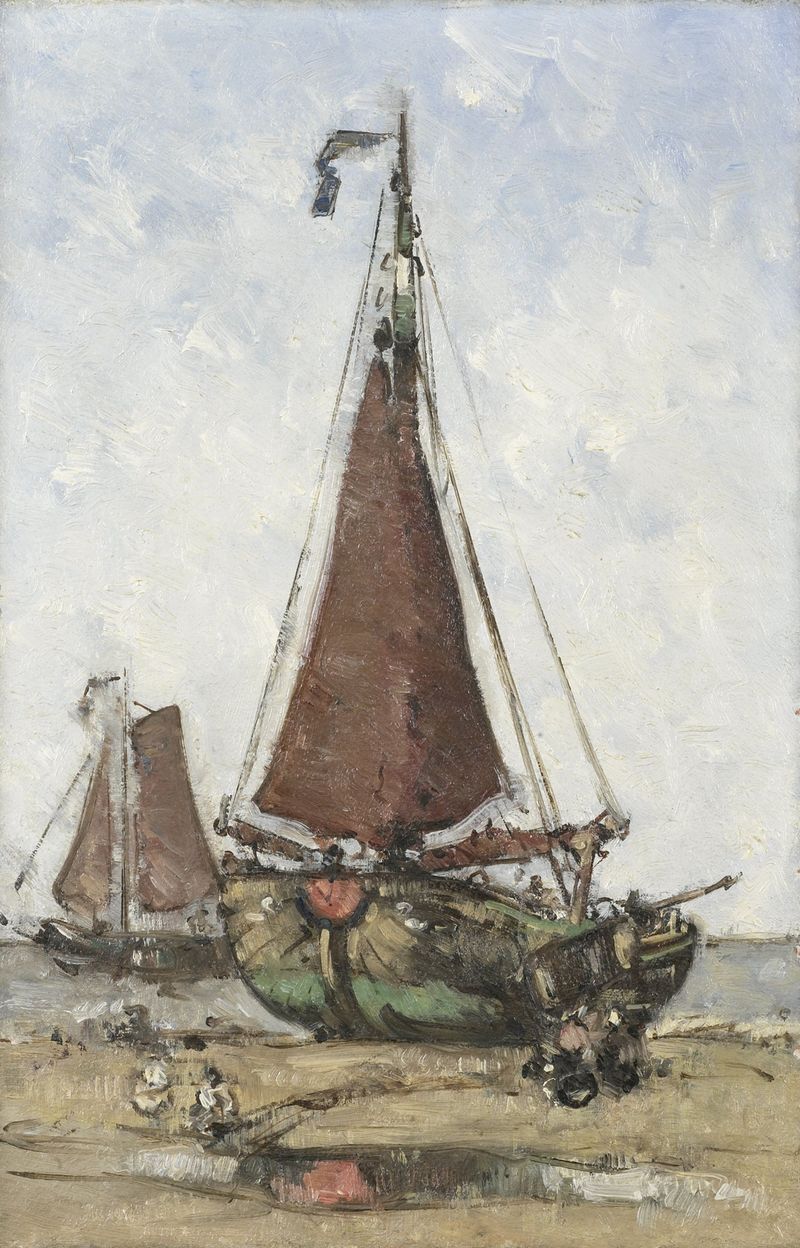
In the stillness of a market, two worlds collide: the bustling vibrancy of life and the quiet persistence of time. Each brushstroke whispers a story of human connection and the delicate balance of commerce and community. Look to the left at the array of figures, their postures embodying the daily rhythm of trade. Notice how the artist captures the light filtering through the clouds, casting dappled shadows that dance across the cobblestones.
The palette is rich yet subdued, with earthy tones grounding the scene while splashes of color from the market stalls bring energy and warmth. This interplay of light and shadow enhances the sense of movement, drawing the eye through the composition and creating a pulsating heart at the center of the painting. The emotional tension lies in the juxtaposition of simplicity and complexity. Observe the faces of the vendors — some engaged in animated conversation, while others revel in quiet reflection.
This balance between bustling activity and serene contemplation invites viewers to ponder the lives behind each gesture. The canvas becomes a timeless representation of community, where the mundane transforms into the extraordinary through the lens of daily life. Westerwoudt created this piece between 1880 and 1906, a period marked by the transition of Amsterdam from a quaint city to an urban center. This era witnessed the burgeoning influence of Impressionism, as artists sought to capture ephemeral moments of light and emotion.
For Westerwoudt, the market was not only a subject but a testament to the enduring spirit of the people, reflecting both personal experiences and the broader societal shifts of his time.